English
 中文简体
 Français
 Español


Content
In 2022 an independent testing programme in the United States reported bisphenol A in a range of polyester-spandex sports bras, athletic shirts and leggings, with some samples measuring up to 40 times the screening limit the testing group had set for itself. The method was debated and the exposure science is still incomplete, but the commercial outcome is settled: BPA in clothing now sits in buyer specifications, testing plans and supplier declarations.
The awkward part for anyone making the garment is that almost nobody adds BPA on purpose. It arrives as a trace residue, carried by the materials and processes that give a knit its colour, its stretch and its finish. So the fix is rarely one material swap. It is a sequence of decisions about dyes, inks, trims, feedstock and testing, most of them made long before the sewing floor.
BPA in clothing means bisphenol A detected in a finished garment, usually as a residual trace from colour chemistry, plastic hardware, coatings or recycled feedstock rather than as a deliberately added ingredient. A detection is a data point, not a measure of risk on its own.
Where BPA Enters a Garment
BPA reaches finished apparel mainly through colour chemistry, plastic trims and recycled feedstock, not through cotton or virgin polyester fibre itself.
Neither cotton nor polyester polymer is manufactured with bisphenol A. The residue story starts downstream, in the auxiliaries and components a garment picks up on the way to the packing carton. That is why two styles made from the same greige fabric can test very differently: the gap usually sits in the shade, the print or the zipper pull.
Colour, print and finishing chemistry
Some pigment dispersions, carrier-assisted dye baths and resin-based print systems have been linked to phenolic residues. Deep blacks and heavy plastisol placements use more chemistry per square metre, which means more chances for contamination rather than a guaranteed problem.
Trims, coatings and packaging
Epoxy-coated sliders, polycarbonate hardware and printed labels are light in weight but can dominate a whole-garment result. Testing a zipper pull answers a different question from testing a leggings panel.
| Risk point | How residue can appear | Practical check |
| Deep-shade dyeing | Carrier systems and dye auxiliaries | Garment-level report from an accredited lab |
| Plastisol prints | Plasticiser and resin residues in the ink | Ink documentation plus a migration test |
| Elastane-rich panels | Processing aids used in spandex production | Test stretch panels as a separate component |
| Coated trims | Epoxy or polycarbonate surface coatings | Component declaration per trim supplier |
| Recycled polyester | Contaminated post-consumer feedstock | Chain of custody plus screening |
Why Stretch Activewear Tests Higher Than Cotton Daywear
High-stretch, deep-shade, moisture-wicking knits carry more chemistry per square metre and are worn tight against skin while sweating, which is why sports bras and leggings appear in BPA reports more often than a plain cotton tee.
Three factors stack up. Elastane content in a performance legging commonly runs from 15 to 25 percent, and spandex production uses processing aids a polyester woven does not. Deep shades need more dye and more carrier. The wear condition, heat plus sweat plus friction, is also the scenario regulators model for dermal exposure. Whether that transfer matters at typical wear times is still an open research question, and a supplier who claims otherwise is guessing.
Lower-risk construction
- Light or undyed shades with simple dye recipes
- Cotton or polyester with elastane under 5 percent
- Water-based prints and uncoated trims
- Component-level test reports renewed each season
Higher-risk construction
- Deep black or navy shades with carrier-assisted dyeing
- Elastane above 20 percent in the main panel
- Heavy plastisol placement prints
- Compliance claimed from a fibre certificate only
What Regulation Actually Requires Today
No major market bans BPA in textiles outright; the pressure comes from disclosure duties, state-level warning laws and brand restricted substance lists.
In the European Union, bisphenol A has been on the REACH Candidate List of substances of very high concern since 2017, with environmental properties added later, which creates a communication duty once it is present above 0.1 percent by weight of an article. California lists BPA under Proposition 65 for female reproductive toxicity, and that warning threshold sits well below what most fabric tests can comfortably resolve. Retailer RSLs now name the substance directly. Listings change, so confirm the current status before quoting a customer.
0.1%Article weight threshold that triggers a REACH information duty
3 mcgDaily dermal exposure level behind the California warning route
40xHighest multiple over a screening limit reported in the 2022 tests
| Framework | What it asks of a supplier | Document to hold |
| EU REACH Candidate List | Inform recipients above 0.1 percent by weight | Current SVHC declaration per style |
| California Proposition 65 | Warn before exposure to a listed substance | Screening report plus supplier statement |
| Brand RSL and retail chemical programmes | Test a named parameter set at garment level | Accredited lab report by season |
| Buyer technical agreements | Fix a limit, a method and a renewal date | Signed spec sheet in the tech pack |
A 0.1 percent threshold is a communication trigger, not a safety limit. Treating it as a pass or fail line starts arguments with customers; treating it as a documentation duty keeps shipments moving.
What a Vertically Integrated Knitwear Factory Can Control
Most of the BPA risk in a knit garment is decided upstream of the sewing floor, in dyeing, printing, trims and fibre choice, which is exactly where an integrated factory has leverage.
When weaving, dyeing, finishing, printing, embroidery and washing sit inside one plant, a buyer can change chemistry without a chain of intermediaries. A carrier-assisted dye bath can be reformulated for a lighter shade. A plastisol print can move to a water-based ink system. A coated slider can be swapped for an uncoated specification that still passes the pull test. None of these is dramatic alone; together they move a style from an unknown position to a documented one.
Organic cotton is a sensible starting point because the fibre itself carries a lighter chemistry load, and the organic basics in the range show how that works at the low-risk end of a programme.
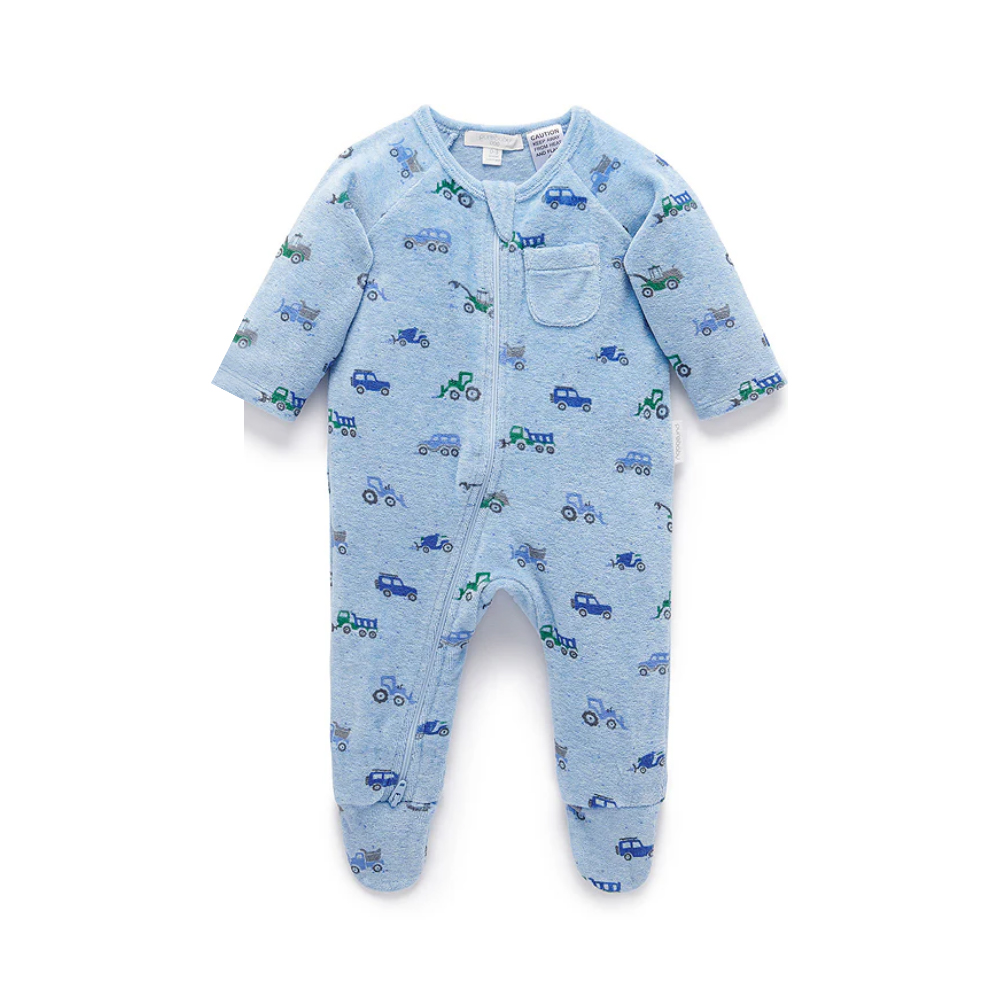 Baby Organic Cotton Printed Grow SuitA 100% organic cotton baby grow suit with two-way zip, footies, and soft blue vehicle print, suitable as a lower-risk everyday basic.View Product →
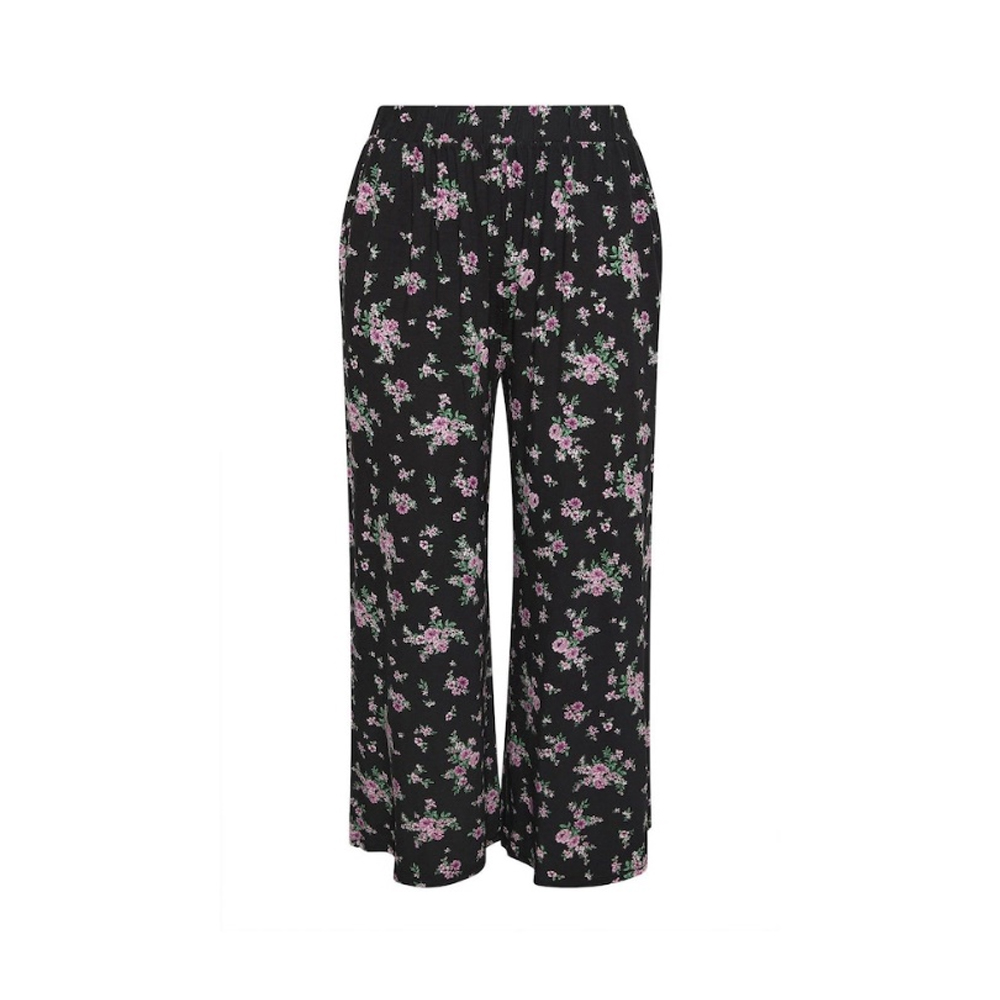 Women's Organic Cotton Floral Wide-Leg PantsGOTS-certified organic cotton wide-leg pants with floral print, elastic waist, and pockets, positioned as a breathable everyday option in the organic basics range.View Product →
The sustainable polo line applies the same logic to a smarter silhouette, with a lower elastane share than a performance legging. How sampling, testing and bulk runs are sequenced is set out in the OEM and ODM manufacturing solutions pages, and the material documentation side is covered in this look at sustainability initiatives in apparel manufacturing.
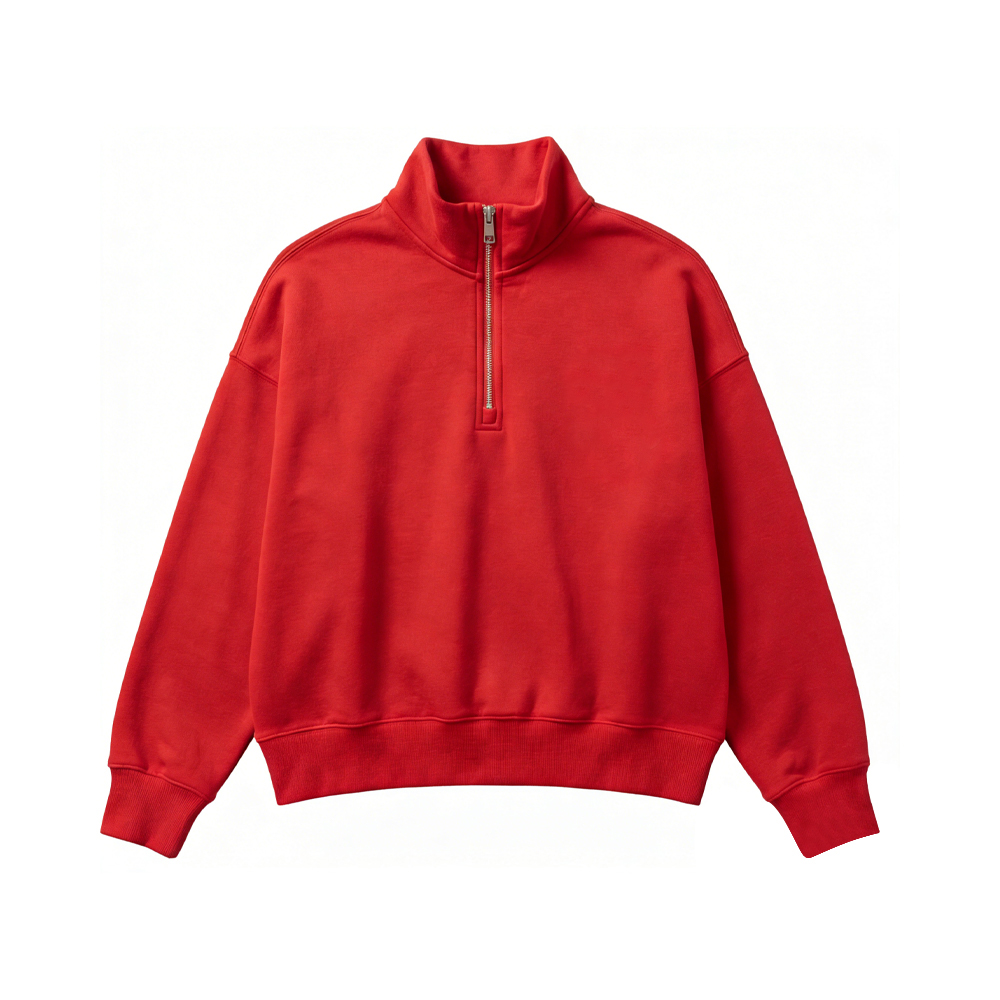 Women's Sustainable Half-Zip Long Sleeve PoloRecycled-fibre blend polo sweatshirt with half-zip collar, ribbed cuffs, and rabbit patch, offering a smarter sustainable layer for transitional wear.View Product →
A Buyer's Screening Sequence
Run these checks in order and most BPA questions surface before bulk production rather than after the container has shipped.
- Map the chemistry. List every dye class, print type, trim and coating on the style, then mark the three components with the heaviest chemistry load.
- Collect declarations before sampling. Ask trim and ink suppliers for component statements on letterhead, not a verbal assurance.
- Test the riskiest panel first. A deep-shade stretch panel at garment level tells you more than a fibre certificate ever will.
- Write the limit into the tech pack. Name the substance, the threshold, the method and the renewal date so the requirement survives staff changes.
- Re-test each season. Dye houses change carriers and trim suppliers change sources, so a report from two years ago proves very little.
Order the checks by cost rather than by anxiety. Declarations are fast and cheap, panel tests take longer, and full garment screens belong on the styles that carry real exposure.
BPA in Clothing: Common Questions
Does washing remove BPA from a garment?
Partly. Repeated washing lowers surface residues, and follow-up testing in 2022 showed reduced levels after laundering, but it does not remove what is bound in the fibre or trapped in a coating. Treat washing as risk reduction, not as a compliance strategy.
Is BPA only a problem in synthetic activewear?
No. Stretch synthetics drew attention because of the published results, but prints, coated trims and packaging on cotton garments can carry residues too. Test the components with the most chemistry, whatever the fibre.
Can a supplier promise a BPA-free garment?
Rarely in absolute terms, because detection limits keep falling. A credible supplier gives you a specification, a named method, a limit of detection and a test schedule. Absolute claims are usually marketing rather than chemistry.
What should the purchase order actually say?
Name the restricted substance, the threshold by weight, the components covered, the laboratory standard and the renewal frequency. A dated report tied to a production lot is worth more than a general claim of compliance.