
 English
 中文简体
中文简体
 Français
 Español
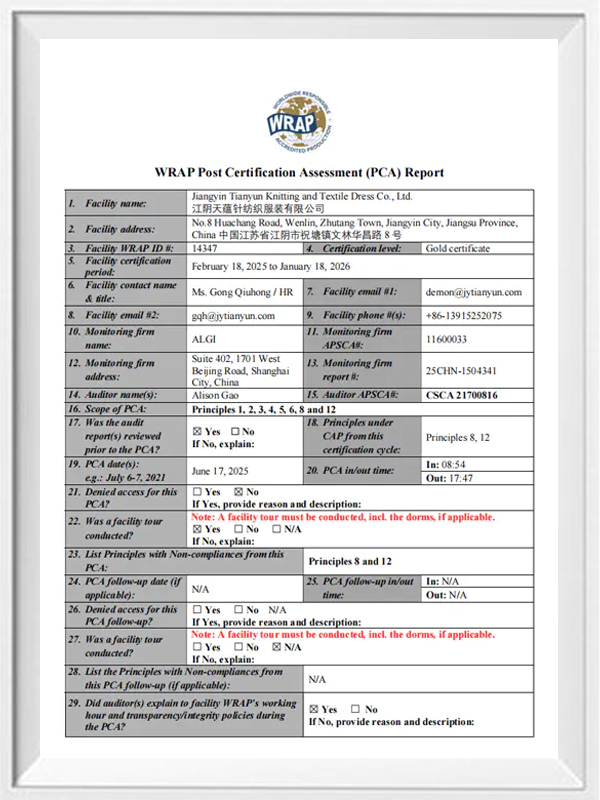
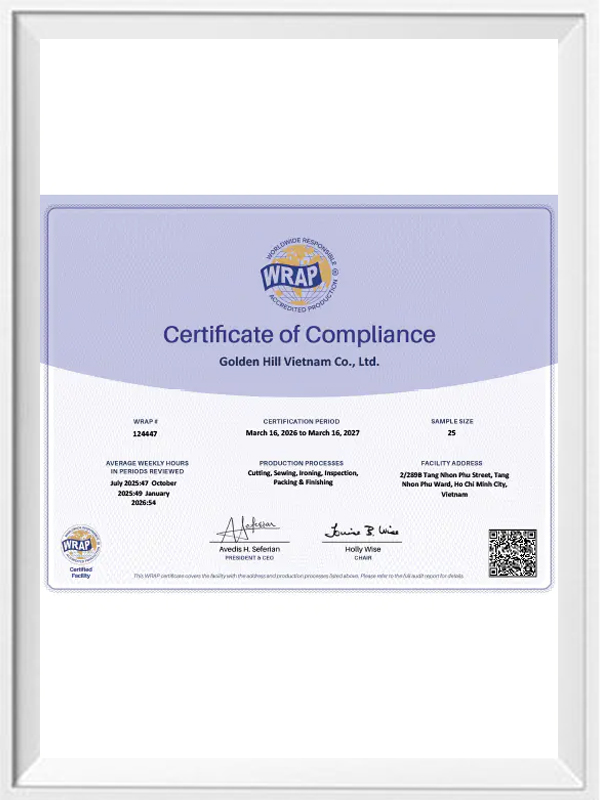
In-Line Inspection Strategies to Strengthen Garment Export Consistency
Relying solely on final random inspection can leave costly defects undetected until the shipment is ready. Progressive in-line audits at multiple production stages catch sewing deviations, measurement drift and fabric flaws early, when corrections are less disruptive. At Jiangyin Tianyun, we deploy dedicated quality spotters at 20%, 60% and 100% completion on every line, a practice that has reduced our overall rework rate by nearly 40% on typical Garment Export orders.
Common defect categories tracked during in-line checks
- Critical defects: broken seams, needle damage or incorrect care label – zero tolerance
- Major defects: uneven hemming, shading variances or zipper malfunction – monitored against AQL 2.5
- Minor defects: loose threads, slight puckering or inconsistent stitch density – logged for continuous improvement
We combine these checkpoints with real-time digital dashboards inside our smart factory, giving brand clients full visibility of defect curves before the packing stage. It’s a transparency layer that transforms Garment Export quality from a pass/fail verdict into a managed, predictable process.
Critical Fabric Performance Tests for Women's Apparel
When producing Women's Apparel that must hold its shape through repeated wear and washing, laboratory-level fabric validation is non-negotiable. The table below outlines the core tests we perform on every fabric lot before cutting. Because Jiangyin Tianyun controls in-house dyeing and finishing, we can pre-treat materials to hit these benchmarks with minimal chemical input.
| Test | Reference Standard | Acceptable Range |
|---|---|---|
| Dimensional stability to washing | ISO 6330 | Shrinkage ≤ 3% |
| Colorfastness to rubbing | ISO 105‑X12 | Grade ≥ 4 (dry & wet) |
| Pilling resistance | ISO 12945‑2 | Grade ≥ 3–4 |
| Seam slippage | ISO 13936‑2 | Opening ≤ 2 mm |
How pre‑treatment protects delicate silhouettes
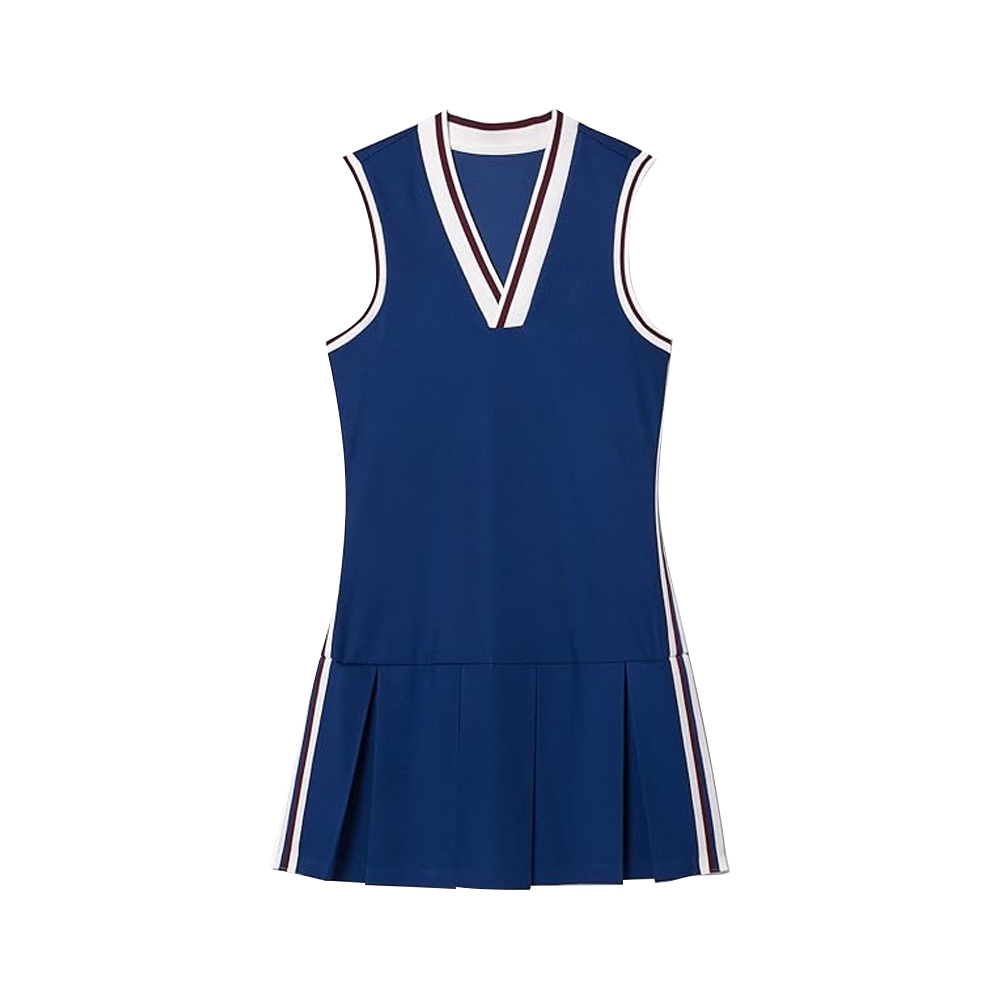
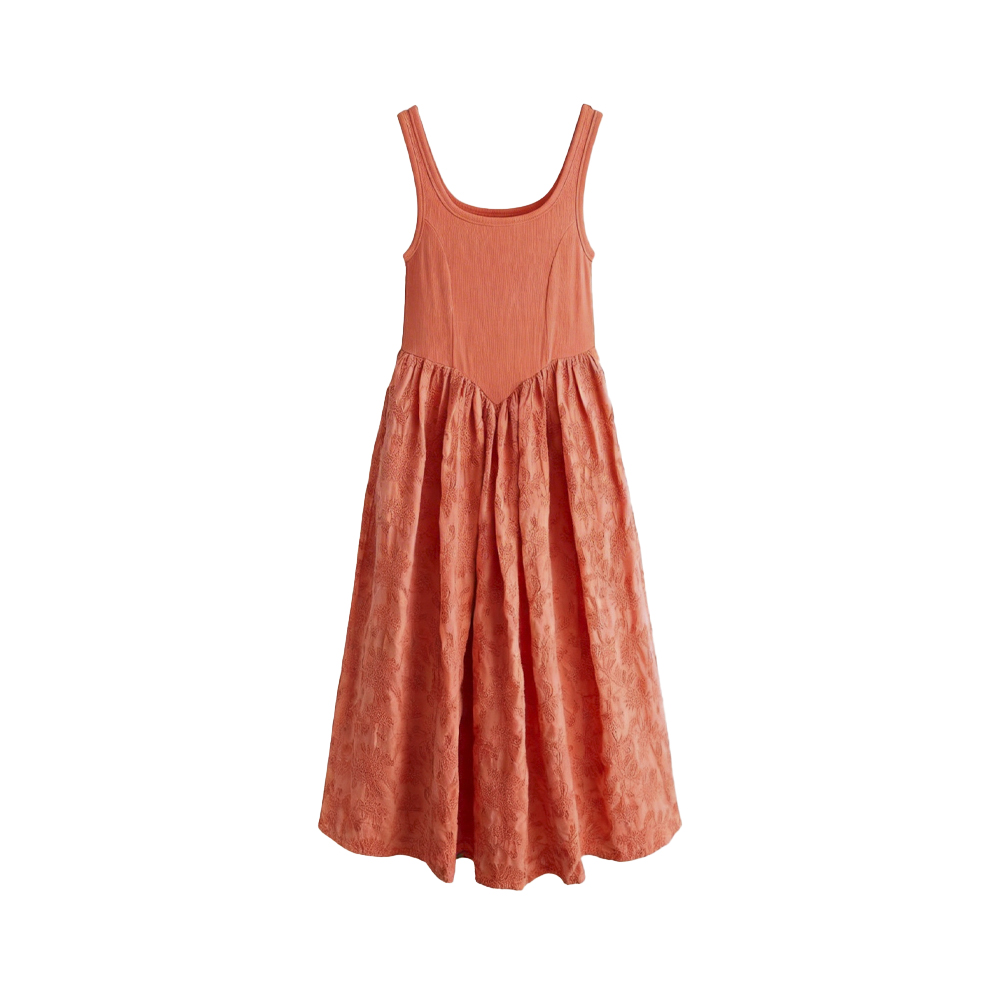
For Women's Apparel categories such as draped dresses or slim‑fit tops, even minor shrinkage can distort the intended fit. Our compacting and relaxation dryers stabilise knits before cutting, locking the dimensional values within a maximum 3% tolerance. This proactive step eliminates the guesswork that often leads to post‑production size exchanges.
Leveraging Smart Hanging Systems for Men's Apparel Efficiency
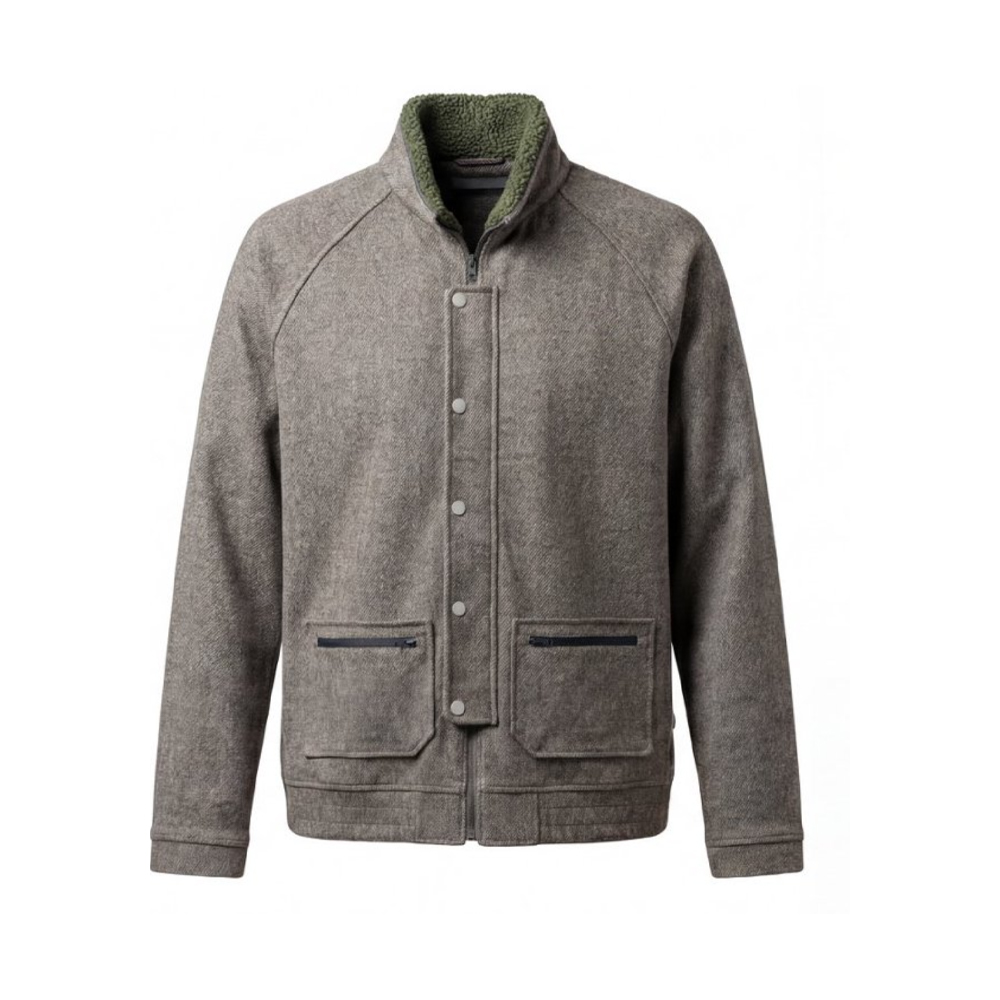
Traditional bundle‑based manufacturing frequently hides bottlenecks until the final packing stage, which is especially damaging for complex Men's Apparel orders involving multiple washes, embroidery placements or trim variations. Unit‑by‑unit hanging systems eliminate batch delays by routing each piece independently to the correct station. At Jiangyin Tianyun, our 30 hanging lines process Men's Apparel with up to 30% faster throughput compared to conventional progressive bundle systems.
Operational gains that directly benefit brand buyers
- Automated routing by style, colour and size reduces manual sorting and misallocation
- Real‑time WIP tracking identifies stations operating below target output
- Overhead transport keeps fabric face pristine, minimising press‑finishing needed later
- Multi‑skill operator deployment becomes seamless, as the system balances workload automatically
We apply this same hang‑flow logic to specialty finishes such as garment dye and enzyme wash, enabling Men's Apparel collections to move from cutting to carton with full traceability. The result is a lead‑time reduction of up to 18 days on repeat styles, giving brand partners the agility to chase bestselling silhouettes mid‑season.
Sustainable Packaging Choices That Enhance Garment Export Credentials
Packaging is no longer a logistical afterthought; it is a visible sustainability statement that customs authorities and end consumers scrutinise. Modern Garment Export flows increasingly demand materials that meet destination‑market Extended Producer Responsibility (EPR) rules. Our in‑house packing design team helps brands phase out single‑use plastics without compromising product protection during ocean or air transit.
Material alternatives that maintain shipment integrity
- Water‑soluble garment bags – dissolve safely in hot water, eliminating plastic waste at retail
- Recycled LDPE poly bags with 90% post‑consumer content – compliant with EU Packaging Directive thresholds
- FSC‑certified kraft paper belly bands and hang tags – fully curbside recyclable
- Packing cartons with soy‑based ink print and water‑activated paper tape – removing plastic from the outer case entirely
As a long‑term Garment Export partner, Jiangyin Tianyun continuously tests new barrier coatings and moulded fibre inserts that can replace foam padding. By adopting these solutions at the factory level, we help brands document a verified reduction in packaging weight and volumetric waste, strengthening their annual sustainability submissions.

