
 English
 中文简体
中文简体
 Français
 Español
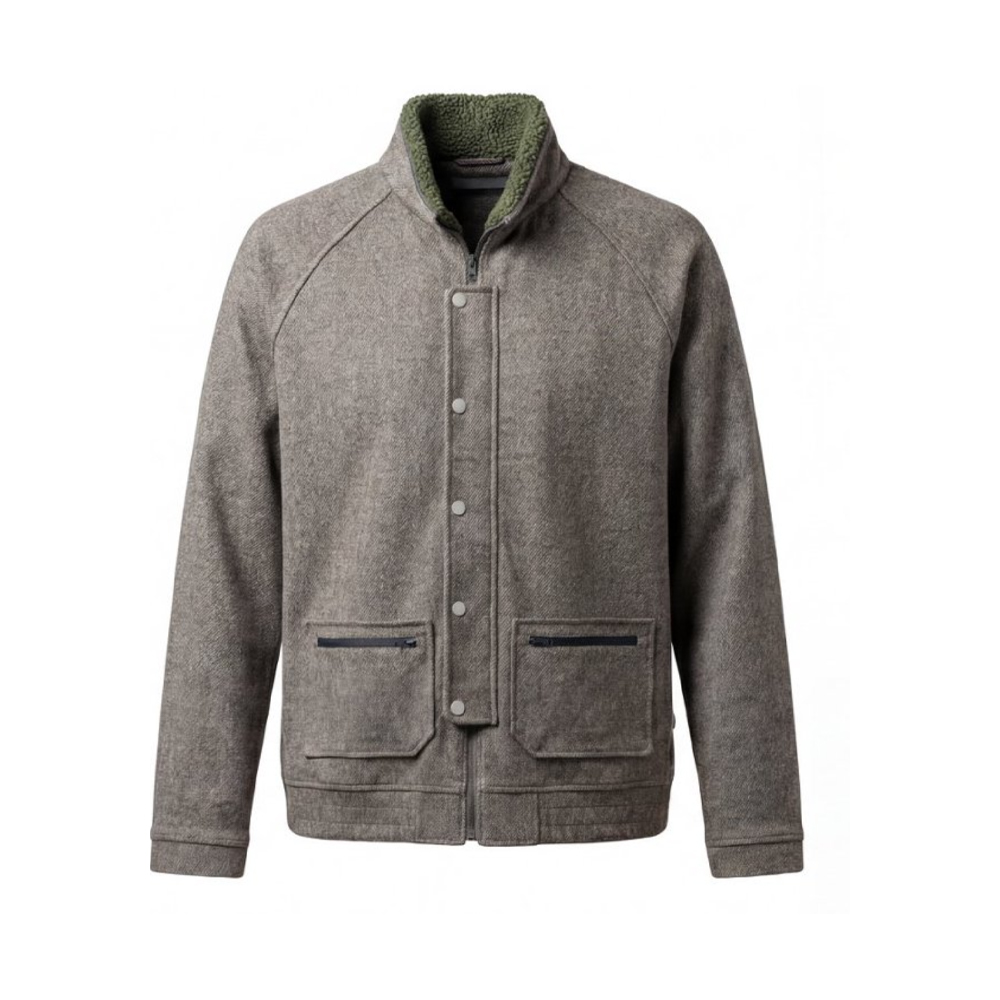
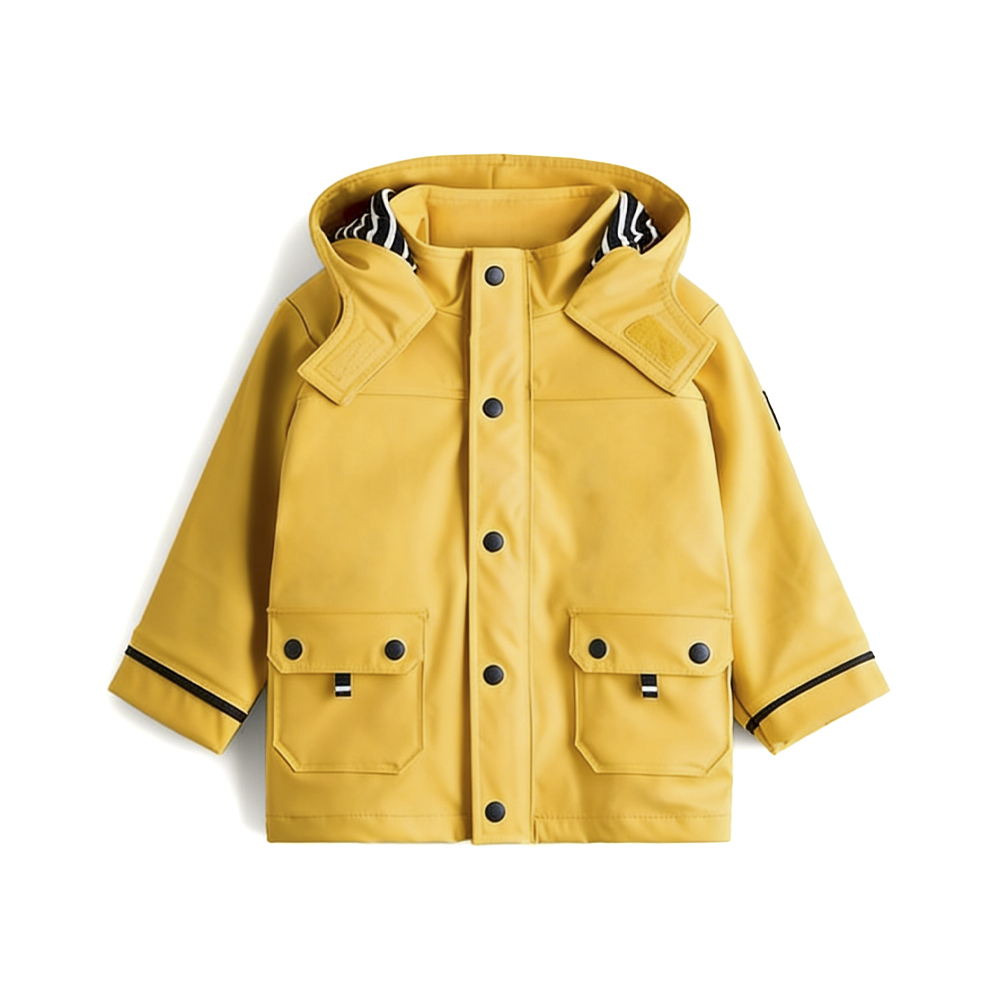
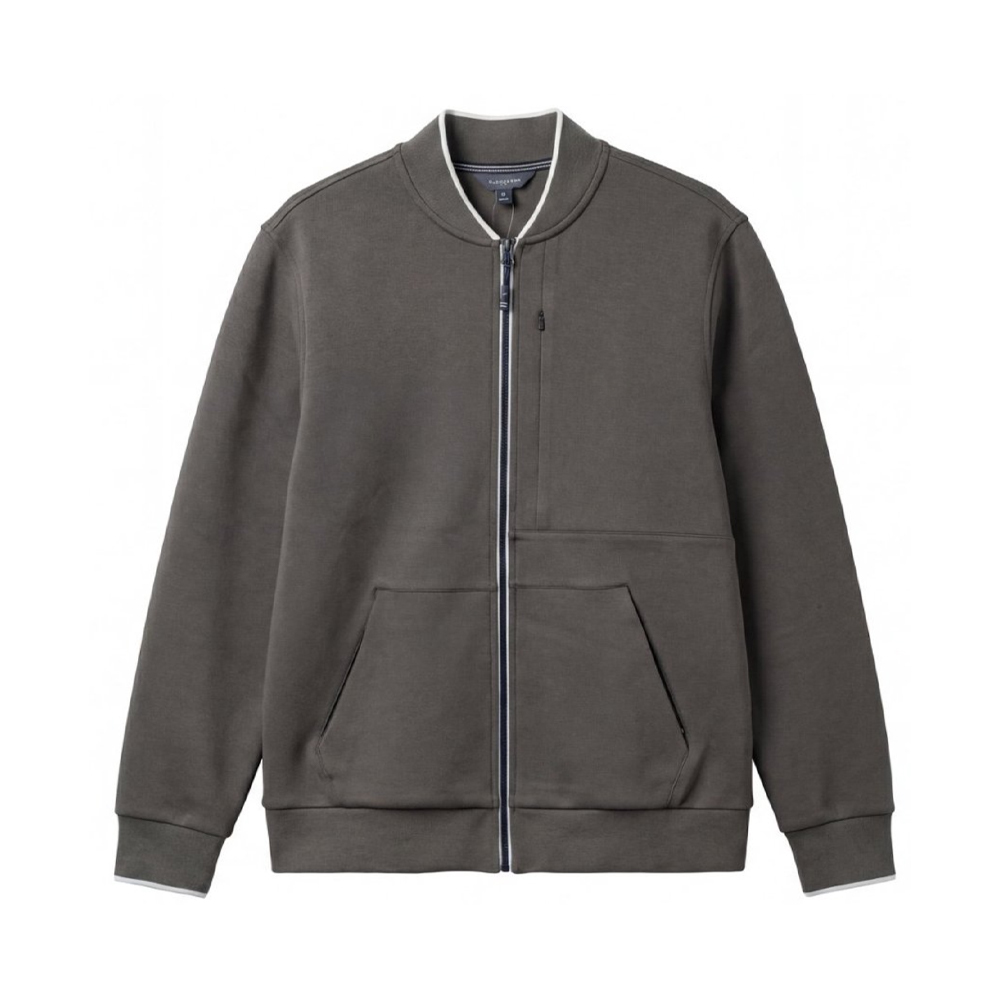
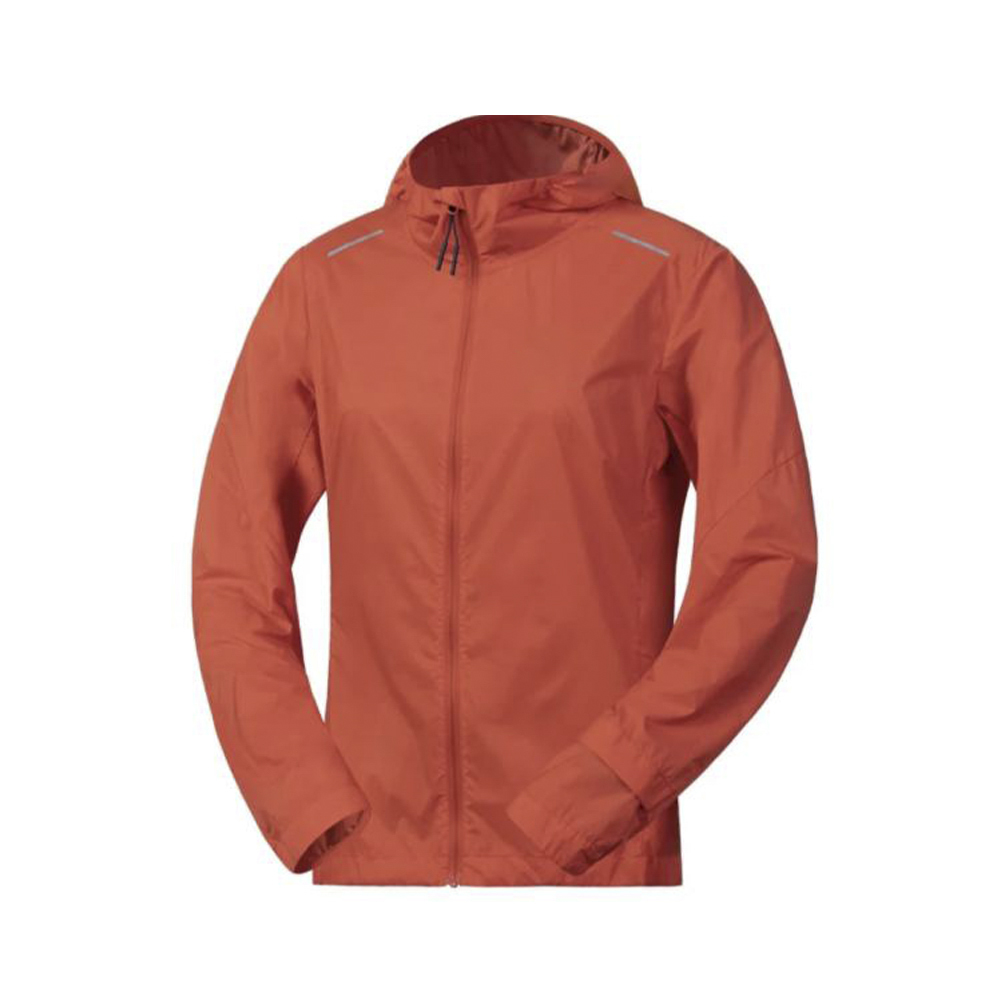
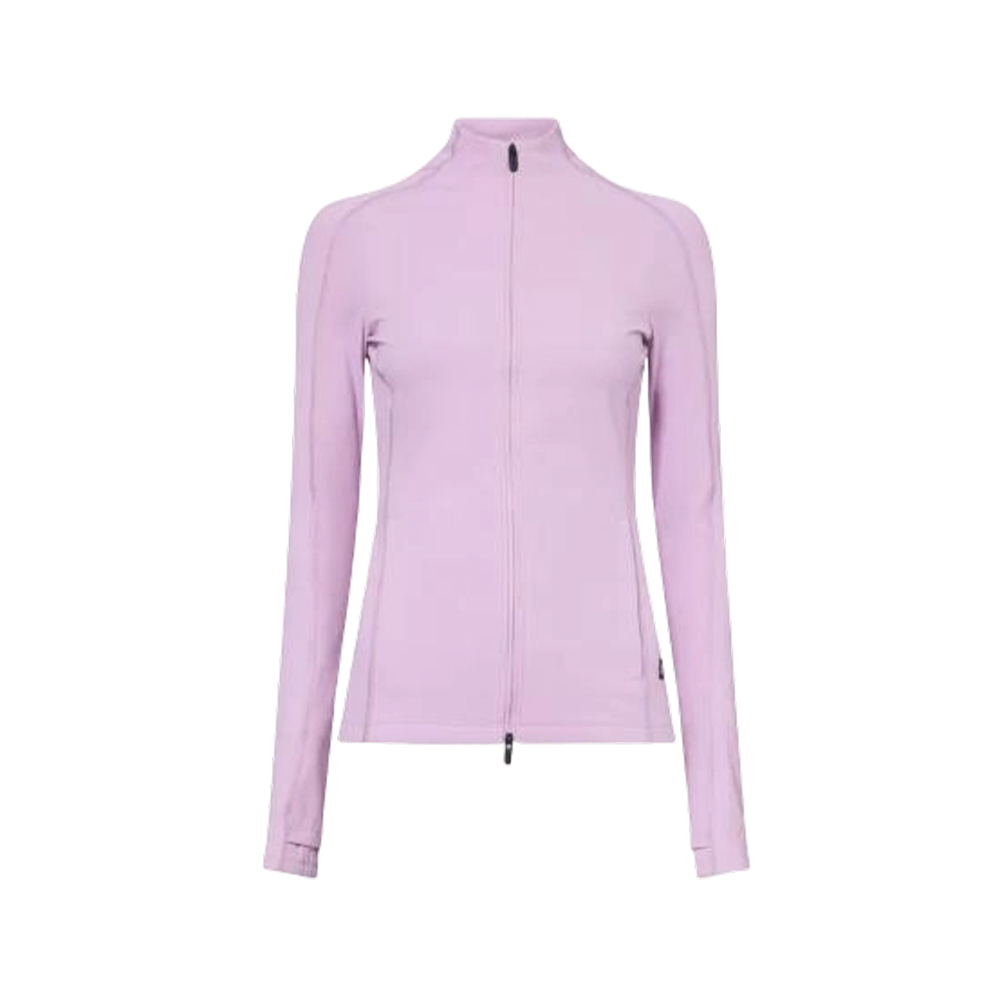
Knitted Shells vs. Woven Shells: Matching Construction to End‑Use
When developing Men's Coats & Jackets for active lifestyle collections, we at Jiangyin Tianyun International Trade Co., Ltd. often guide buyers through the fundamental choice between a knitted and a woven shell. This decision ripples through fit, range of motion, and how the garment behaves in changeable weather.
| Attribute | Knitted Shell | Single‑Layer Woven Shell |
|---|---|---|
| Stretch & Recovery | 4‑way stretch without elastane blends | Limited to mechanical stretch in most constructions |
| Air Permeability | High; open loop structure aids thermoregulation | Controllable via tightness of weave and finish |
| Wind Resistance | Low unless laminated or membrane‑bonded | Naturally better; can be enhanced with DWR |
| Typical Weight | Midweight (200 – 350 g/m²) | Ultralight to lightweight (50 – 180 g/m²) |
Buyers aiming for maximum freedom of movement often gravitate toward knit constructions for training or travel pieces. In contrast, a tightly woven shell with a matte face serves as an ideal wind‑blocking layer for transitional weather. Both paths can coexist in a single collection when the intended activity profile drives material selection.
Pre‑Production Fabric Inspection: The Gatekeeper of Quality
Our inspection protocols are the foundation of every Luxe Jacket we manufacture, ensuring that only approved materials reach the cutting table. Before a single panel is cut, all fabrics pass through a regimented checkpoint that eliminates variation and hidden defects.
- Fabric Weight Verification – digital scales confirm that actual grams per square metre align with the technical specification, preventing heavier‑than‑expected shells that could distort cost and performance.
- Color Consistency Check – spectrophotometer readings under D65 light ensure lab dips, bulk fabric, and accessory components sit within a Delta E tolerance of <1.0.
- Surface Quality Evaluation – trained inspectors scan for barre, needle lines, oil spots, or yarn unevenness on a backlit inspection table at a controlled speed.
- Shrinkage Testing – samples undergo a full wash‑and‑dry cycle per AATCC 135 (or the brand’s internal protocol) to document residual shrinkage, which is then compensated for in the pattern.
This four‑pillar check reduces the risk of batch rejection and keeps bulk production predictable. At Jiangyin Tianyun, fabric that does not meet the agreed tolerance is returned to the mill before it ever enters the cutting room.
Decoding Technical Fabrics: What Makes an Outerwear Shell Perform
The versatility of these materials is central to our Everywhere Jacket wholesale program, which supplies brands with a single style that transitions from travel to daily wear. Understanding the underlying metrics helps buyers write specifications that match real‑world use.
| Metric | Target Range | Common Test Method |
|---|---|---|
| Breathability (MVTR) | > 5,000 g/m²/24h | JIS L 1099 B1 / ASTM E96 |
| Hydrostatic Head | > 10,000 mm | ISO 811 / AATCC 127 |
| Abrasion Resistance | > 50,000 cycles (Martindale) | ASTM D4966 / ISO 12947-2 |
| DWR Spray Rating | 4–5 (after 5 washes) | AATCC 22 |
When sourcing a functional shell, look beyond the fabric weight. A jacket with a strong hydrostatic head but low MVTR will trap moisture during active wear, while high abrasion resistance adds years to the garment’s life. We collaborate with mills to develop custom technical textiles that hit these benchmarks while maintaining a soft, quiet hand — critical for the modern luxe outdoor aesthetic.
The Speed‑to‑Market Edge: How Vertical Integration Cuts Lead Times
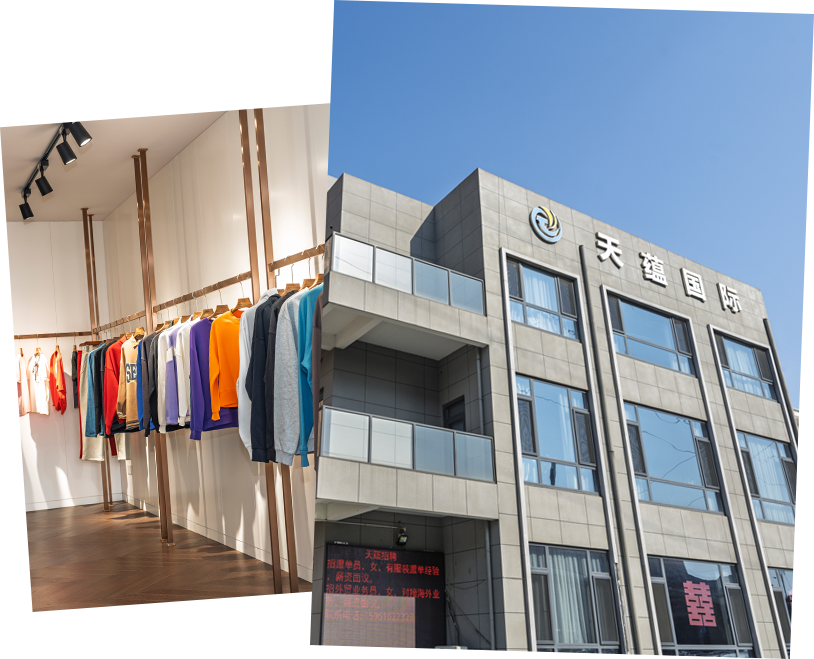
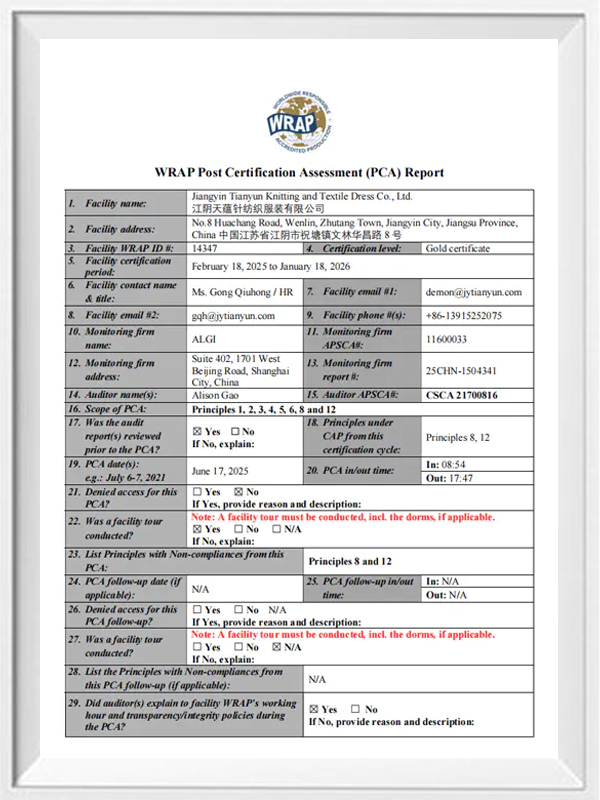
As a Luxe Jacket manufacturer in China, Jiangyin Tianyun coordinates in‑house dyeing and finishing with garment assembly, bypassing the queuing delays common in multi‑vendor supply chains. Our integrated facility, located in Zhutang, pairs a weaving mill, a dyeing and finishing plant, and 30 garment hanging lines with dedicated embroidery, printing, and garment washing units.
Where Integration Accelerates Production
- Fabric lead‑time compression – greige fabric moves directly to in‑house dyeing, cutting 7–12 days from the typical mill handover.
- Bulk cut synchronization – once fabric passes inspection, it is released for cutting on the same campus, enabling immediate line‑loading.
- Finishing under one roof – embroidery, printing, and specialty washes are executed internally, eliminating logistics legs and reducing the risk of color mismatch across components.
- Scalable capacity – with an annual output of 16 million knitted garments and 30 flexible hanging lines, we absorb demand spikes without outsourcing critical quality steps.
This vertical setup is particularly valuable for brands that need to restock best‑selling styles quickly or pivot designs mid‑season. It also supports our ODM service, where we can run small initial runs on the same machinery that later handles large‑scale orders, keeping development and bulk production seamlessly connected.

