
 English
 中文简体
中文简体
 Français
 Español
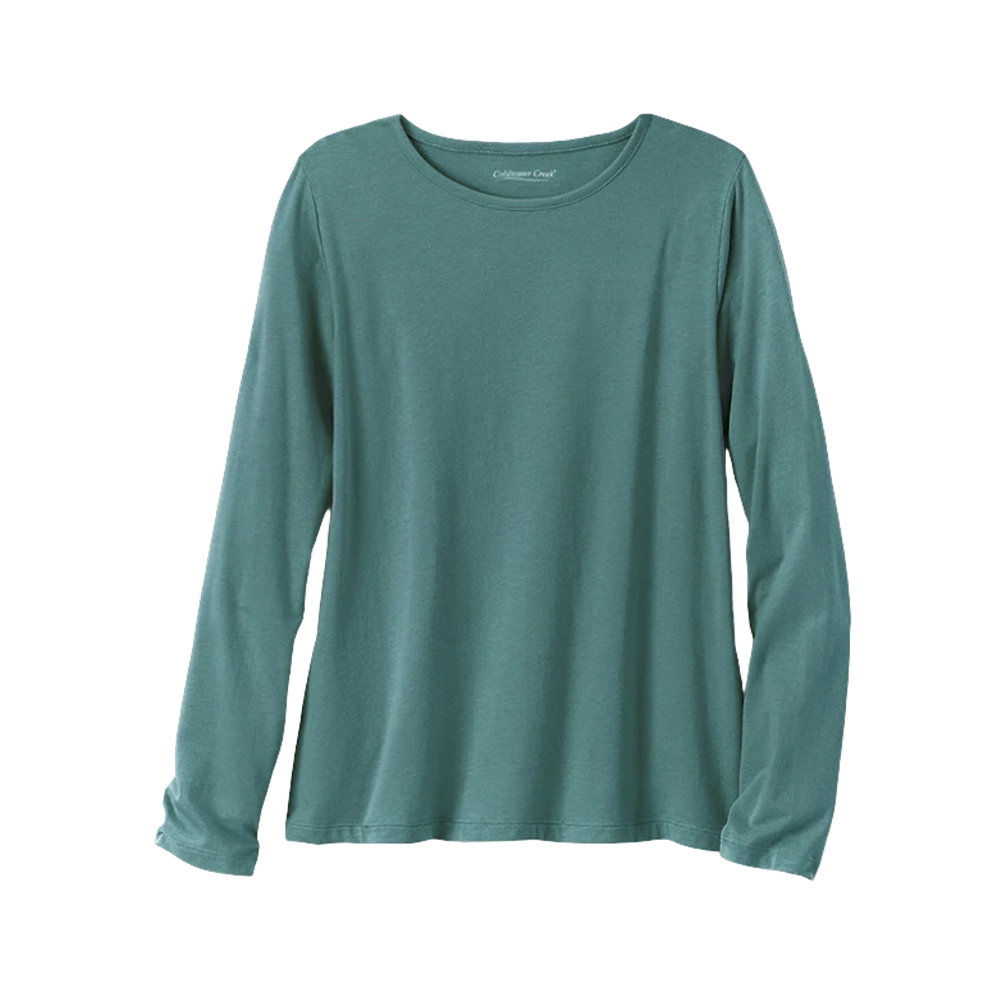
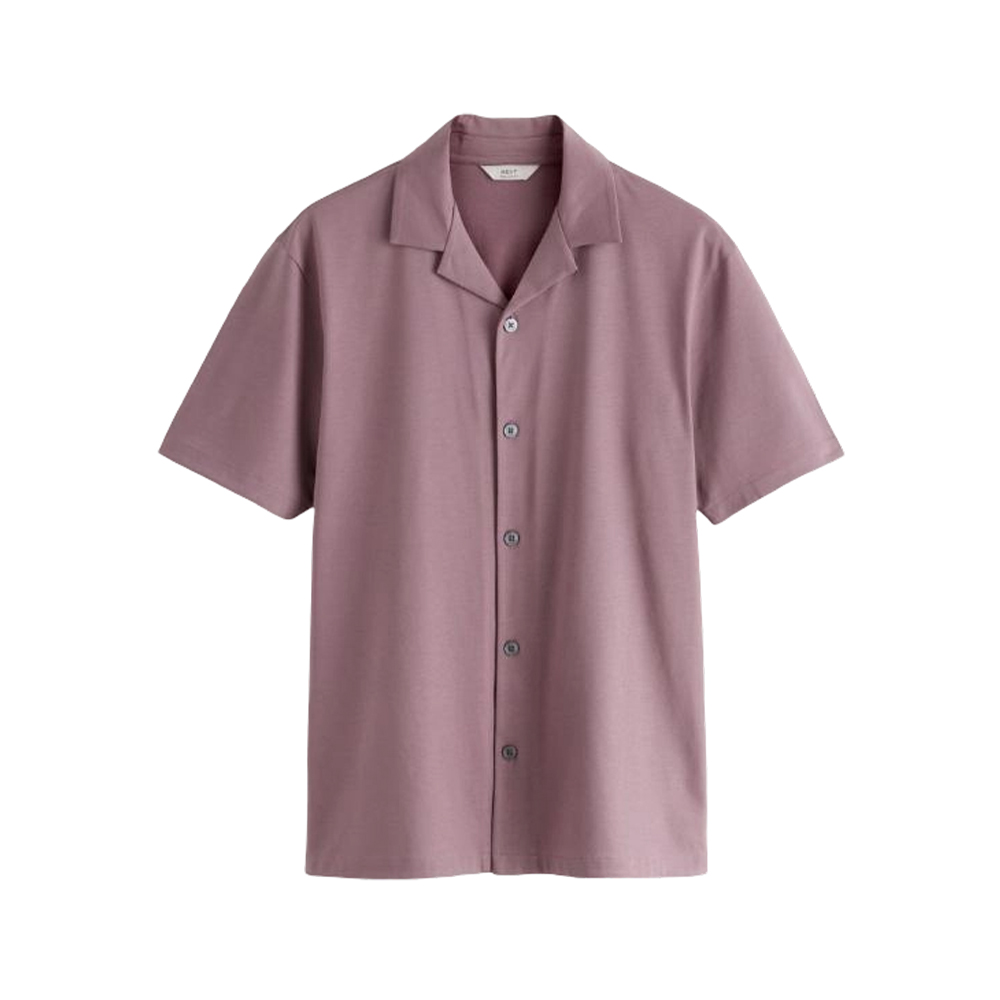
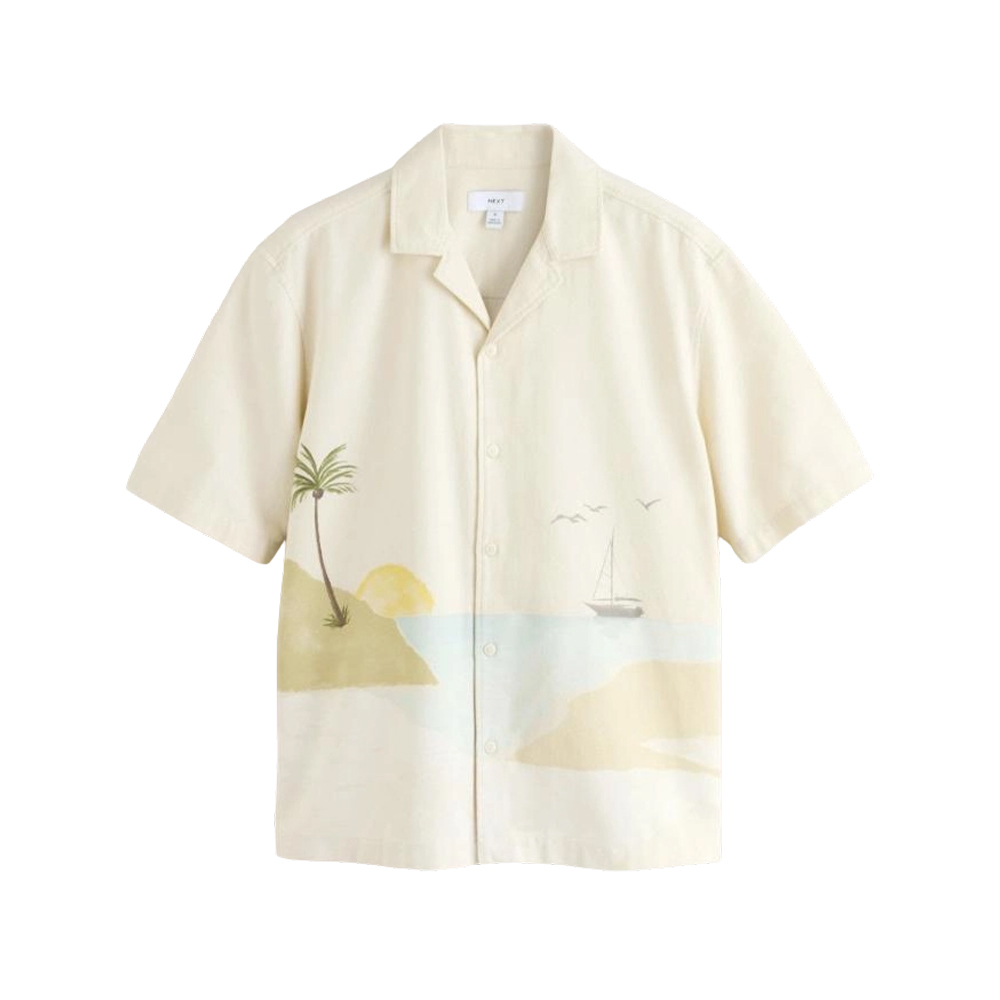
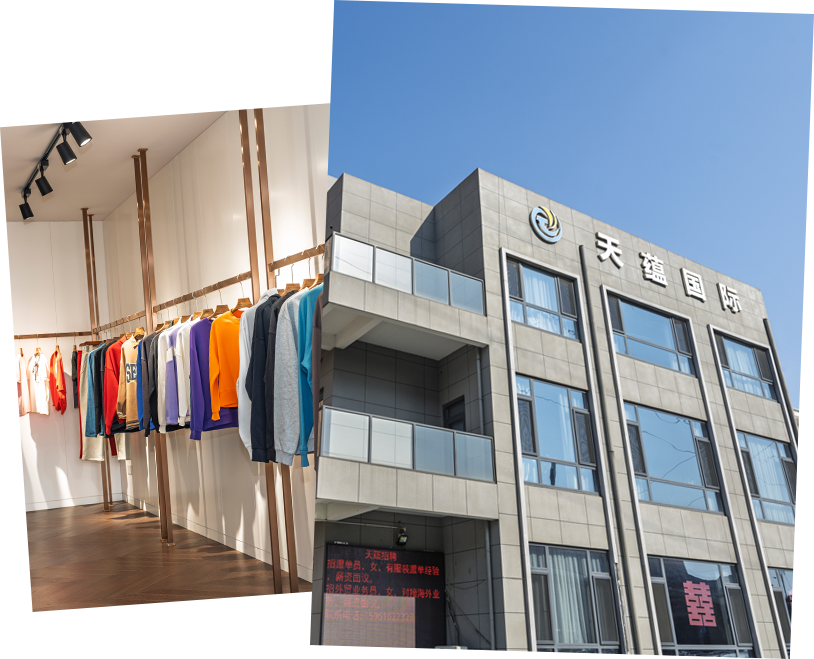
Fabric Engineering for Leisure Wearing: Understanding Weight, Drape, and Recovery
Selecting fabric for casual wear lines involves more than just evaluating softness. Three technical attributes determine whether a garment maintains its silhouette after repeated use: weight, drape, and recovery. At Jiangyin Tianyun, our in-house weaving and dyeing facilities allow us to fine-tune these parameters at the yarn stage, ensuring that every batch of Leisure Clothing retains its intended relaxed fit without sagging at stress points like elbows and knees.
Key Fabric Performance Indicators
- Weight (GSM): For mid-season leisurewear, a range of 180–240 GSM typically offers the ideal balance between structure and breathability. Lighter single jerseys suit layering, while heavier interlock fabrics provide a premium, drapey feel.
- Drape Coefficient: A lower coefficient indicates a fluid, body-conscious fall. We adjust yarn twist and knit tension in our vertical production chain to achieve consistent drape, particularly important for oversized Casual Wear silhouettes.
- Elastic Recovery: Fabrics with at least 90% stretch recovery prevent bagging. Our technical team routinely tests recovery rates after 30% elongation to meet global brand specifications.
| Fiber Composition | Typical Weight | Advantage for Casual Wear |
|---|---|---|
| Cotton-Modal (60/40) | 200–220 GSM | Exceptional softness with reduced pilling |
| Cotton-Elastane (95/5) | 190–210 GSM | Shape retention and mobility |
| Bamboo-Cotton (70/30) | 180–200 GSM | Thermal regulation and natural wicking |
As a vertically integrated Leisurewear Factory, Jiangyin Tianyun controls fabric finishing processes such as bio-washing and silicone softening under strict shrinkage tolerances of under 3%, a critical specification that importers should verify before placing bulk orders.
Construction Techniques That Elevate Leisure Clothing Quality
While fabric choice matters, the internal construction of a garment dictates its longevity and perceived value. Modern leisurewear manufacturing distinguishes itself through specific seam engineering and finishing methods that consumers rarely see but immediately feel. At Jiangyin Tianyun, our 30 hanging production lines are configured to execute these techniques at scale without compromising stitch integrity.
Seam Types and Their Applications
- Flatlock stitching: Frequently used in active-inspired Casual Wear, this method creates a smooth, chafe-free surface against the skin and prevents seam puckering during laundry cycles.
- Bound necklines: Self-fabric or rib binding with precisely calculated tension ratios prevents neckline distortion. We perform stretch-and-recovery tests on every neckline batch to avoid wavy or cracked seams.
- Coverstitching: Beyond hemming, dual-needle coverstitching adds durability to side seams and sleeve attachments, supporting the relaxed structure that defines premium Leisure Clothing.
We also integrate garment washing at our in-house mill, a step that pre-shrinks fabric and enhances softness before the piece reaches the wearer. This controlled treatment guarantees that the easy, lived-in hand feel of Leisure Wearing emerges from the first moment of unboxing, not after multiple washes.
Navigating OEM and ODM Partnerships with a Chinese Leisurewear Factory
For international buyers, choosing between OEM and ODM models shapes product development timelines and creative control. Understanding the operational structure of a potential partner helps avoid costly sampling delays. Jiangyin Tianyun operates both models through a unified vertical chain, from weaving and dyeing to embroidery, printing, and washing, which removes the friction of coordinating across multiple independent workshops.
Development Timelines and What to Expect
- Tech Pack Review: Provide detailed specifications including grade rules, seam construction codes, and approved wash standards. A responsive team can return first comments within 48 hours.
- Proto Sampling: For ODM collections, we present a curated selection of existing silhouettes that can be modified with custom trims and fabrications. For OEM, a fully custom sample typically takes 10–14 working days using our in-house pattern room.
- Bulk Fabric Reservation: Dye lots are reserved early in the sampling phase. Our dyeing plant maintains an extensive library of lab dips for Casual Wear, enabling precise color matching across cotton, modal, and blended bases.
- Production and Inline QC: During cutting and assembly, inline quality checks monitor seam symmetry and tension. Final garments undergo random AQL 2.5 inspections, with detailed reports shared before shipment.
Our in-house embroidery and printing factories add value for brands looking to differentiate their Leisure Clothing through textured logos or water-based prints, eliminating the need to outsource embellishment work and compressing lead times by 7–10 days.
Sustainability Documentation and Material Traceability in Casual Wear Manufacturing
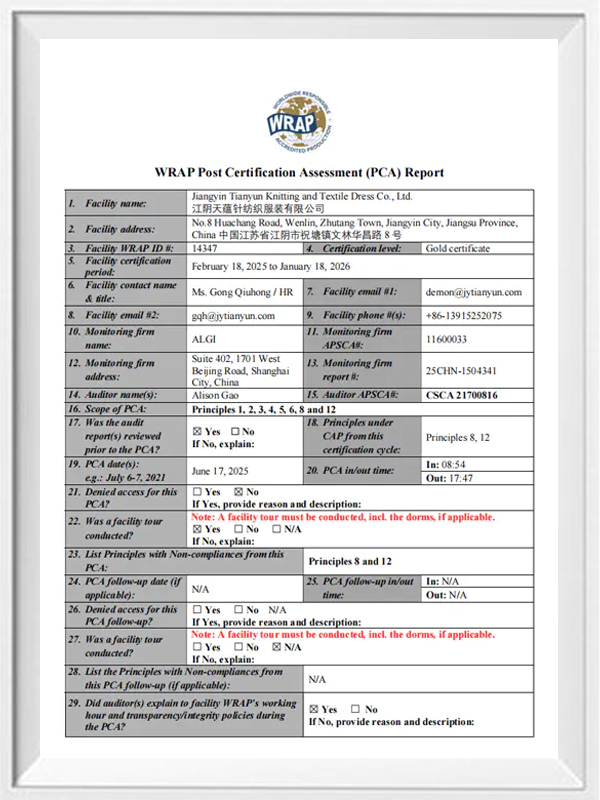
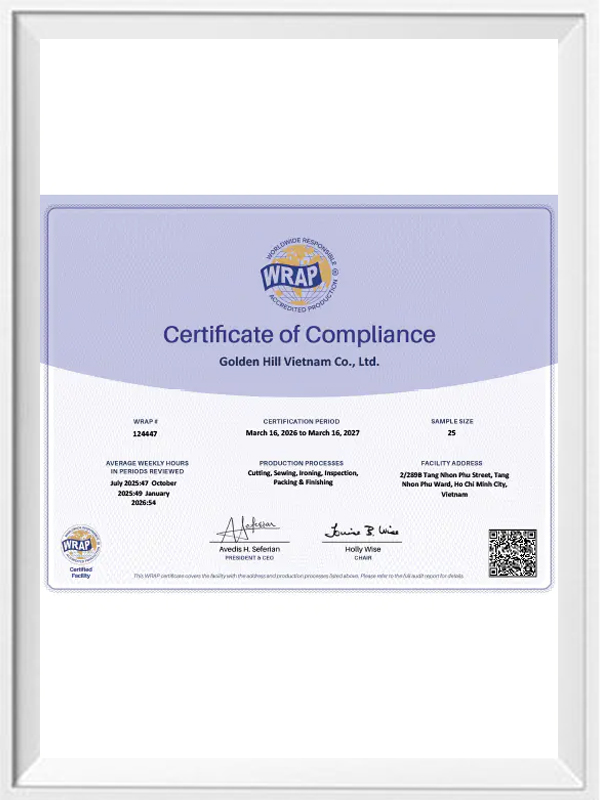
Regulatory pressure and consumer expectations are pushing leisurewear brands toward verifiable sustainability claims. Beyond marketing language, procurement teams now require concrete documentation covering fiber origin, chemical inputs, and factory social compliance. As a large-scale Leisurewear Factory, Jiangyin Tianyun maintains a centralized certification archive that streamlines the compliance process for our brand partners.
Essential Certifications for Leisurewear Importers
| Standard | Scope | Practical Implication |
|---|---|---|
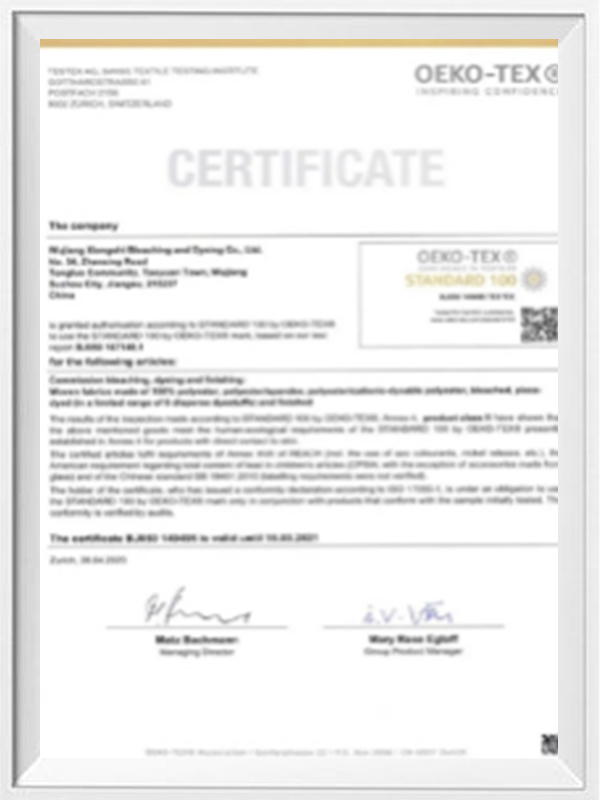
| OEKO-TEX Standard 100 | Harmful substance testing | Mandatory for EU market entry; certifies that every component, from thread to button, is skin-safe. |
| GOTS (Global Organic Textile Standard) | Organic fiber processing | Covers both environmental and social criteria throughout the supply chain. |
| GRS (Global Recycled Standard) | Recycled content verification | Required for marketing products as containing post-consumer recycled fibers. |
| BSCI / SMETA | Social compliance audit | Verifies ethical working conditions; often a prerequisite for onboarding with major retail chains. |
We help brands navigate these requirements by providing a single-source documentation package covering fabric mill certificates, dyeing and finishing chemical inventories, and factory audit reports. This consolidated approach reduces the administrative burden on buying offices and supports transparent marketing of Leisure Wearing collections.

