
 English
 中文简体
中文简体
 Français
 Español
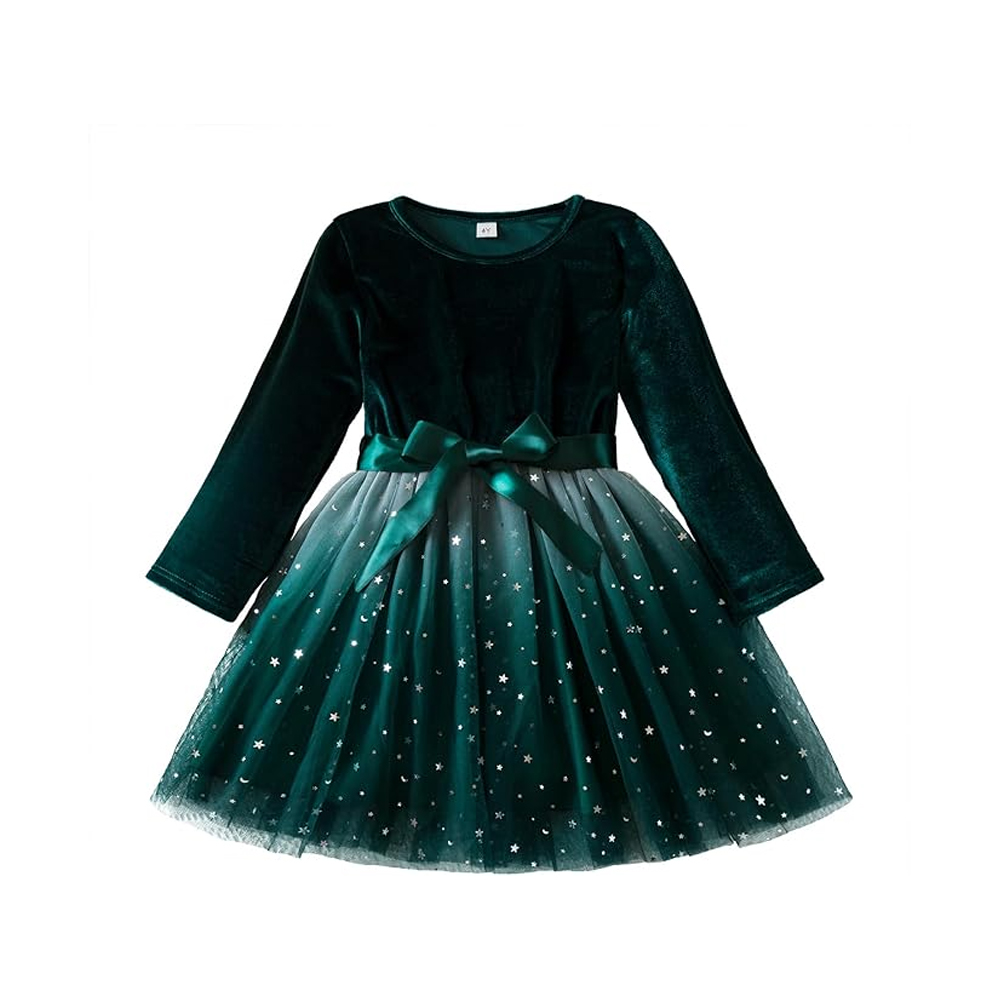
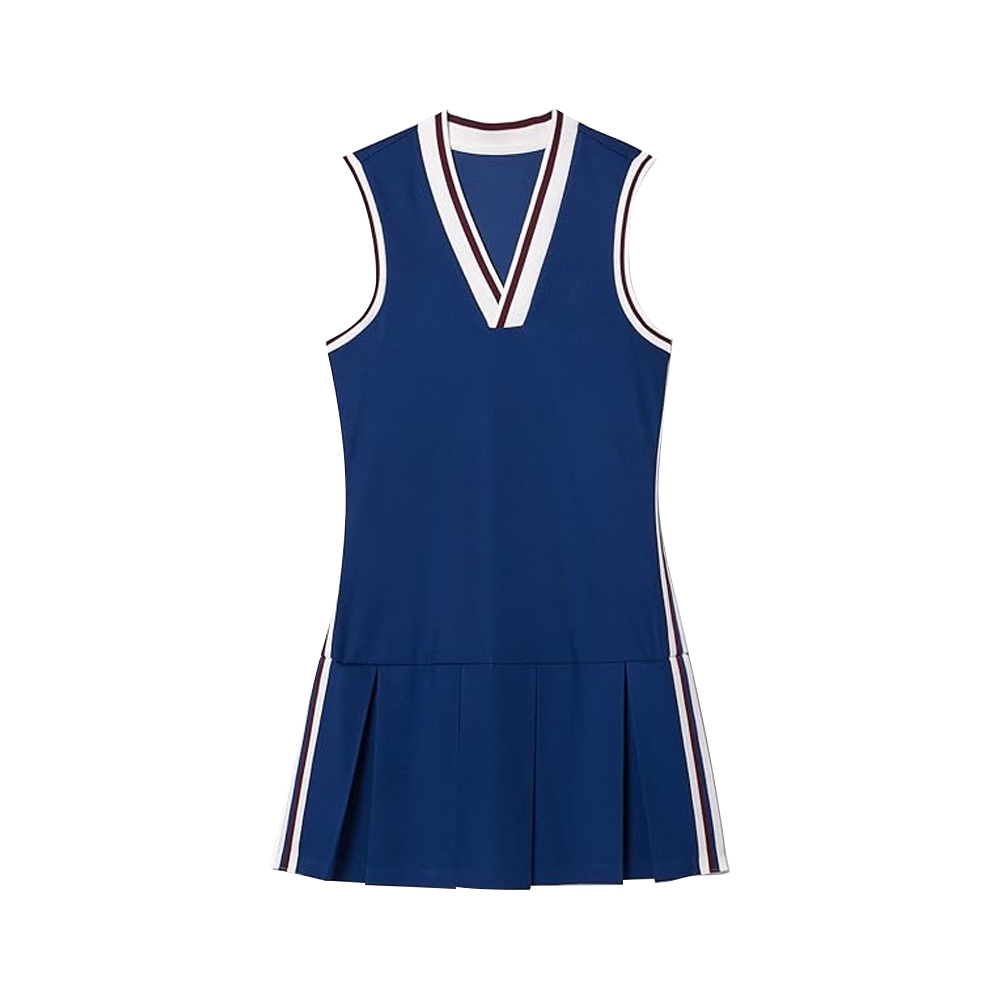
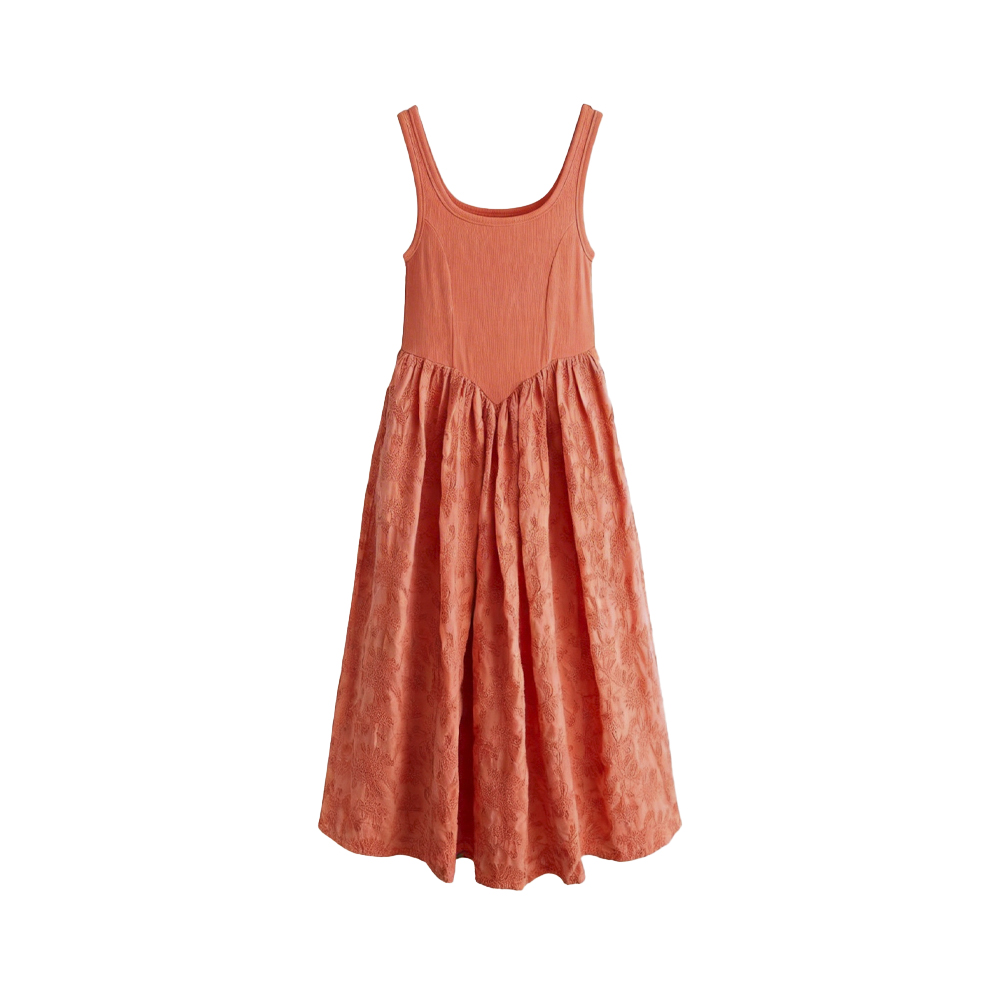
Knitted Dresses: Understanding Relaxation and Shrinkage Control
The soft, fluid character of Knitted Dresses comes with a particular production challenge: dimensional stability. Because knitted fabrics are constructed from interlocking loops, they retain latent tension from knitting and finishing. Without proper relaxation, a dress that measures perfectly off the production line may shrink unexpectedly after its first home wash.
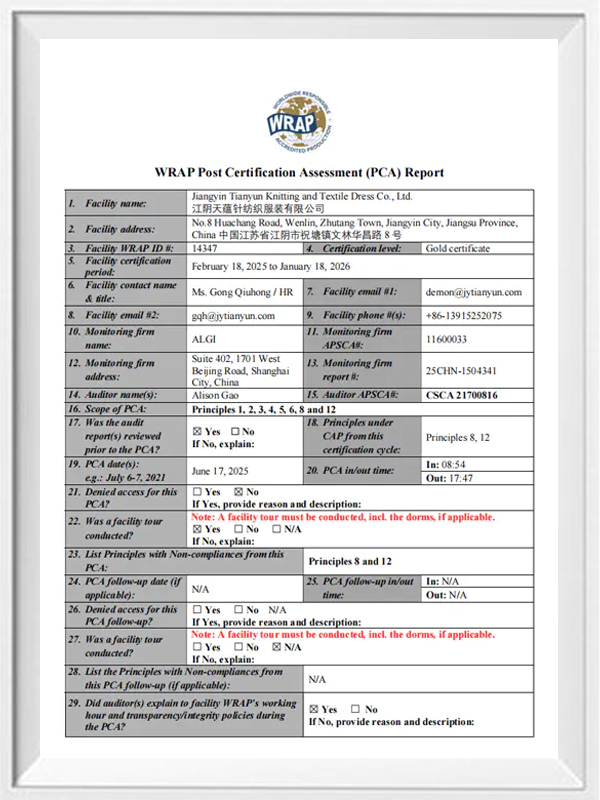
At Jiangyin Tianyun, we pre-condition all knitted fabric rolls through a controlled relaxation process, and our shrinkage tests conform to AATCC standards, ensuring your Knitted Dresses maintain their size after home laundering. A reliable way to assess readiness is the progressive shrinkage test. Key benchmarks we observe:
- Length shrinkage after three wash cycles should generally remain below 5% for cotton-rich knits.
- Width shrinkage is often more critical for body-hugging silhouettes; we target under 4% in width-direction change.
- Steam relaxation before cutting can reduce residual shrinkage by up to 40%, depending on the yarn and stitch structure.
- Single jersey structures tend to show higher length shrinkage than double knits, so compensation markers are essential during grading.
By combining mechanical relaxation, steam setting, and multi-cycle wash testing, we help buyers avoid post-delivery shrinkage claims and deliver Knitted Dresses that feel unchanged season after season.
The Mini Shirt Dress: Integrating Woven Structure with Casual Design
A Mini Shirt Dress sits at the intersection of tailored shirt-making and relaxed casualwear. Its appeal hinges on clean collar construction, a stable front placket, and precise buttonhole execution, all of which demand a woven fabric’s natural stability. Our Jiangyin Tianyun factory applies specialized sewing techniques for delicate shirt dress details, delivering Mini Shirt Dress styles with clean finishing.
Construction Points That Elevate Quality
- Collar and stand: A well-formed collar relies on fusing interlining with a temperature and pressure profile matched to the face fabric. Even a slight mismatch causes bubbling after the first few wears.
- Front placket reinforcement: The placket bears constant stress. Using a fused inner facing and horizontal bartacks at stress points prevents rolling and ensures the front hangs straight.
- Buttonholes on woven shirting: For lightweight cotton or viscose blends, a tightly stitched eyelet-end buttonhole made with gimp thread resists fraying far longer than a basic keyhole without reinforcement.
- Side slits and hem finish: A double-fold narrow hem with mitered corners preserves the clean line expected in a shirt dress silhouette, avoiding bulky overlock visible from the outside.
Many Woven Dresses share these tailoring details, but the mini length makes proportion especially sensitive: even a small construction flaw can disrupt the entire visual balance. Buyers who specify these finishing techniques noticeably reduce returns related to shape distortion.
Fabric Weight and Drape for Woven Dresses: Matching Material to Silhouette
For Woven Dresses, fabric weight is not just a technical number—it directly shapes the garment’s silhouette, opacity, and how it moves on the body. Lightweight weaves can create soft gathers but may require a lining or slip, while heavier cloth holds structure without added support.
| Dress Silhouette | Fabric Weight (gsm) | Common Base Fabric |
|---|---|---|
| Flowy A-line or tent dress | 100 – 130 | Viscose challis, cupro |
| Structured mini shirt dress | 140 – 180 | Cotton poplin, lyocell blend |
| Everyday shirtdress with body | 180 – 220 | Cotton-linen twill, medium denim |
| Oversized relaxed fit | 130 – 160 | Tencel™ twill, lightweight gabardine |
During fabric inspection, we always confirm weight variance because a deviation of just ±5% can alter drape noticeably in a loose, unlined dress. With our in-house fabric weight verification, we help brands select the optimal base for every Woven Dresses design, balancing drape and durability without adding unnecessary bulk.
Color Consistency and Batch Management in Women's Dresses Production
For multi-style collections of Women's Dresses, even minor shade differences between batches can create visible inconsistencies on retail displays. Effective color management goes beyond matching a lab dip—it requires controlling variables throughout dyeing, finishing, and cutting.
Practical Control Methods
- Spectrophotometer evaluation under D65 and TL84 light sources detects metamerism that the naked eye can miss under store lighting.
- A delta E tolerance of <1.0 between roll samples and the approved standard prevents perceptible shade gaps in assembled garments.
- Roll-to-roll shade grouping and cutting from a single dye lot per style keep panels matching, especially important when a Women's Dresses silhouette combines multiple fabric sections.
- Post-dye finishing like enzyme washes or softeners can shift both color and surface appearance; re-checking after finishing is essential.
Buyers often underestimate that greyscale ratings for color fastness should be judged after assembly, not just on fabric rolls. We recommend a minimum grade 4.0 on both wash and light fastness for everyday Women's Dresses to avoid quick fading. At Jiangyin Tianyun, our dyeing and finishing vertical integration minimizes lot-to-lot variation, keeping your Women's Dresses collections looking uniform on retail shelves.

