
 English
 中文简体
中文简体
 Français
 Español
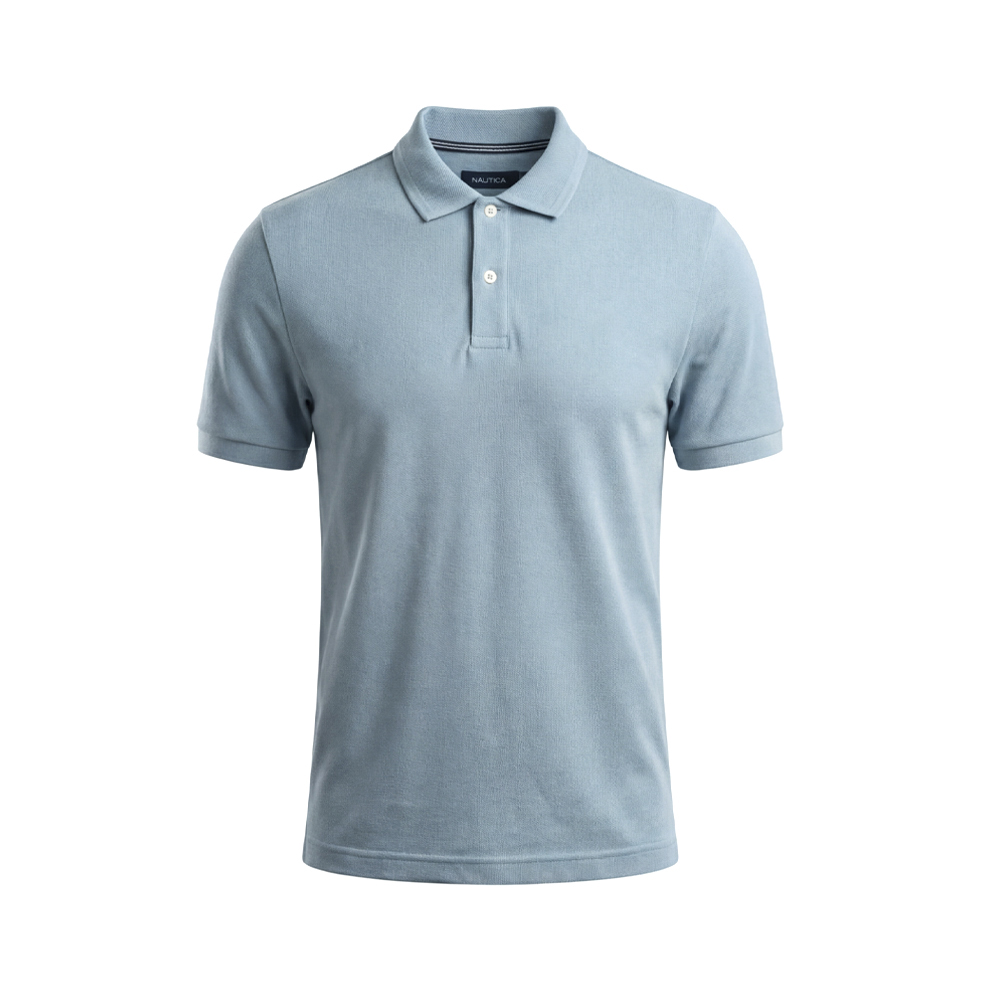
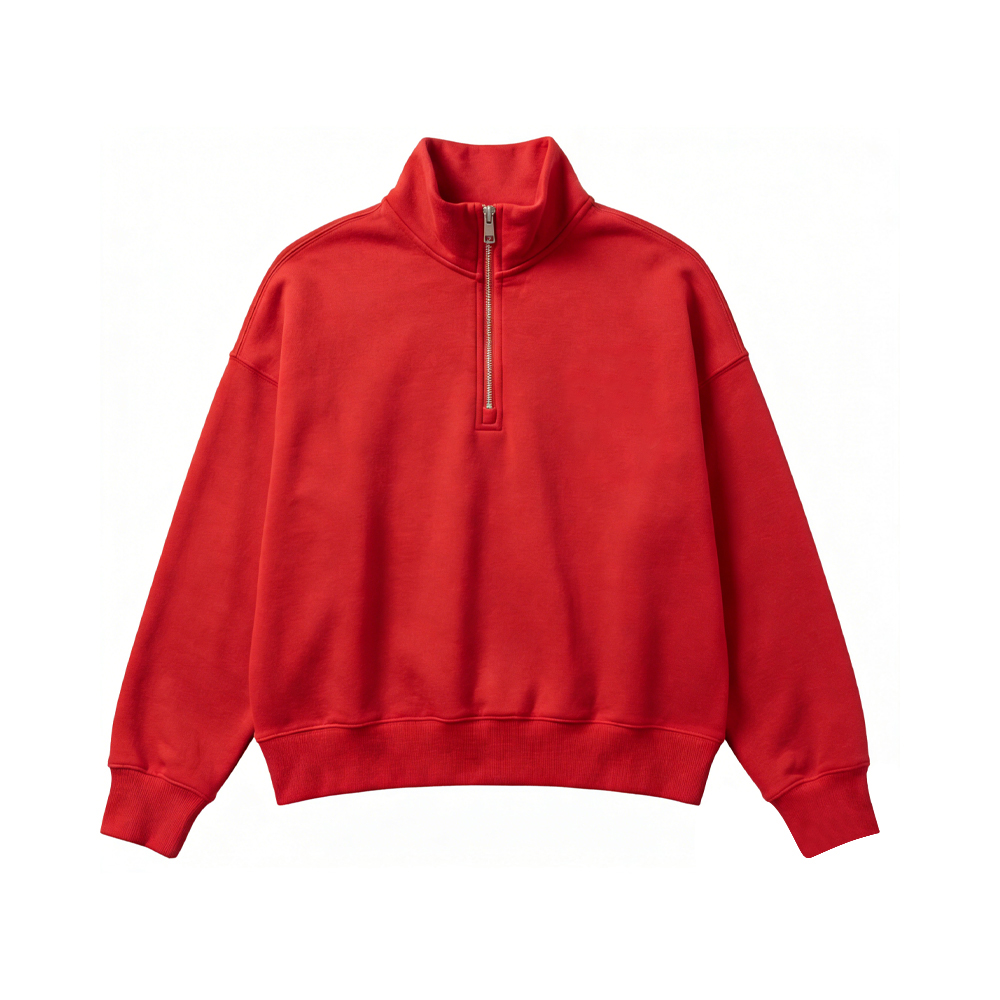
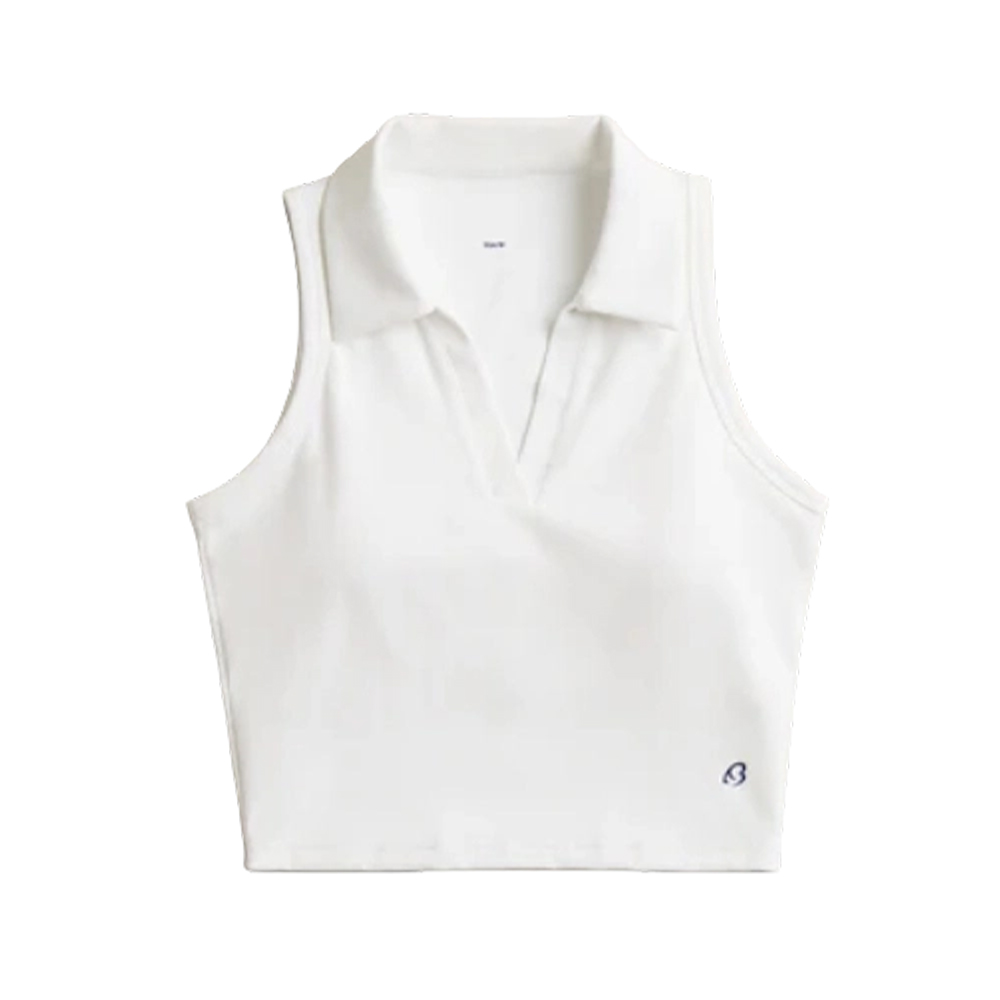
Gauge and Yarn Selection: The Foundation of Men's Knitted Polo Shirts
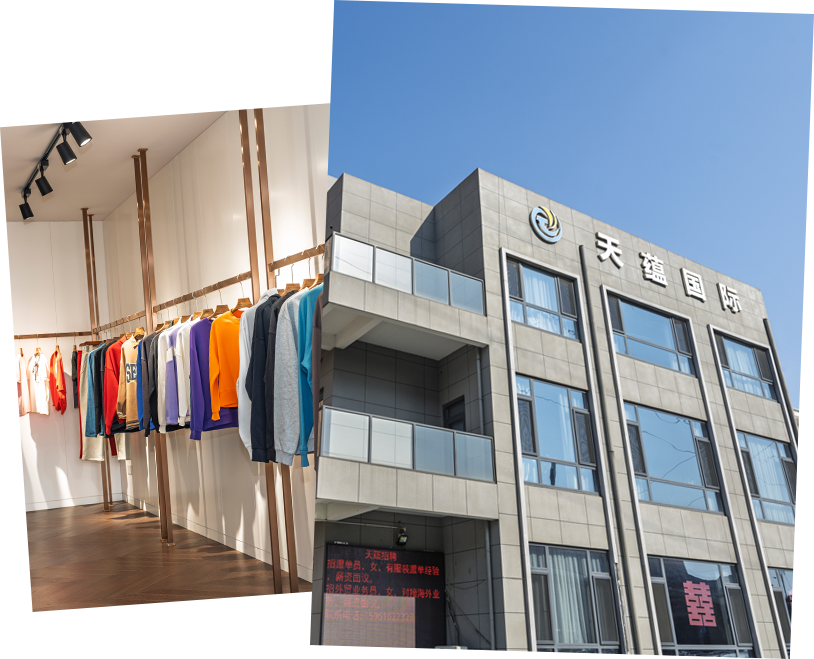
The character of Men's Knitted Polo Shirts is defined long before the first stitch—starting with machine gauge and yarn engineering. Gauge, measured in needles per inch, directly controls fabric density, drape, and breathability. A tighter gauge produces a fine, smooth surface ideal for smart-casual silhouettes, while a more open gauge creates texture and a relaxed hand feel. At Jiangyin Tianyun International Trade Co., Ltd., our smart factory precisely adjusts gauge parameters to match the exact performance profile required by each client’s Men's Knitted Polo Shirts specification.
- 28–32 gauge: Ultra-fine, lightweight jersey; excellent for dressier, close-to-body polos with a clean face.
- 20–24 gauge: Classic piqué structure; balanced breathability and body, forming the backbone of sport and corporate wear.
- 14–18 gauge: Chunky, textural knits; used for statement cropped and oversized styles that emphasize stitch definition.
Yarn Twist and Surface Performance
Yarn twist is equally decisive. Higher twist levels compact the fibers, reducing hairiness and pilling—a critical factor for Men's Knitted Polo Shirts that must endure repeated wear and laundering. The table below outlines typical twist categories and how they influence the finished garment.
| Twist Level | Surface Effect | Pilling Tendency |
|---|---|---|
| Low twist | Soft, fuzzy, lofty hand | Higher |
| Medium twist | Smooth with moderate crispness | Moderate |
| High twist | Clean, crisp, minimal hairiness | Low – ideal for longevity |
Why Pre-Production Testing Is Critical for Knit Cropped Polo Shirts
Knit Cropped Polo Shirts present a unique dimensional challenge: with a shorter body length, any shrinkage or skewing becomes immediately visible and can ruin the intended silhouette. That’s why rigorous fabric testing before cutting is not just a routine check—it is a direct guarantee of fit consistency. As Knit Cropped Polo Shirts Manufacturers, we enforce a strict pre-production protocol that eliminates the risk of post-wash distortion, giving buyers confidence in every batch.
Key Fabric Tests and Acceptable Tolerances
We treat shrinkage stability as a pass/fail gate. Our quality team tests every incoming lot for weight, color, and dimensional change, holding fabrics to a shrinkage tolerance of ±3% in both length and width. The core tests are listed below.
- Fabric Weight (GSM): Verified against buyer spec with a tolerance of ±5% to ensure consistent handfeel and opacity.
- Dimensional Stability: Wash and tumble dry cycles according to AATCC standards; shrinkage must remain ≤3%.
- Color Consistency: Spectrophotometer evaluation under D65 light source; Delta E ≤1.0 for solid colors in the same delivery.
- Pilling Resistance: Martindale abrasion method, targeting Grade 3–4 minimum to preserve the clean surface of a cropped polo.
| Test Item | Method Reference | Target / Tolerance |
|---|---|---|
| Fabric weight | ISO 3801 | ±5% |
| Dimensional change | AATCC 135 | ≤3% |
| Color fastness to wash | ISO 105-C06 | Grade 4 minimum |
| Pilling resistance | ISO 12945-2 (Martindale) | Grade 3–4 |
Engineering Longevity: How Seams and Reinforcements Define Men's Polo Shirts
The lifespan of Men's Polo Shirts often comes down to details that are invisible at first glance. A collar that lies flat after dozens of washes, a placket that holds its shape, and hem stitches that never curl—these outcomes are engineered, not accidental. When you source Men's Polo Shirts from our factory, you access a construction standard designed to maintain a crisp, professional appearance over extended wear cycles.
Critical Construction Features and Their Impact
| Construction Element | Purpose | Longevity Outcome |
|---|---|---|
| Rib collar with spandex core | Maintain elasticity and shape | Resists bacon-neck deformation |
| Inside neck taping | Prevent shoulder seam stretch | Holds body shape through repeated pulls |
| Double-needle coverstitch on hem & sleeve | Provide flexible, secure closure | No thread breakage; minimal curling |
| Cross-stitched buttons | Anchor buttons firmly | Near-zero button loss in normal use |
Our 30 hanging production lines keep seam tension uniform across the entire order. This is especially valuable for Men's Polo Shirts with fine-gauge knits, where even slight over-pulling can distort the garment. The result is a consistently structured polo that retains its intended proportions wash after wash.
Beyond the Logo: Embellishment Techniques That Add Value to Men's Polo Shirts
Decoration is often treated as an afterthought, but it directly affects the perceived quality and durability of Men's Polo Shirts. Choosing the right technique for the fabric structure is crucial—what works on a heavy piqué may distort a lightweight knit. At Jiangyin Tianyun International Trade Co., Ltd., our in-house embroidery and printing units test every design on the actual base fabric to preserve stretch, handfeel, and drape.
- Flat embroidery: Ideal for fine-gauge Men's Knitted Polo Shirts. Minimal thread build-up prevents puckering and keeps the chest area soft.
- 3D puff embroidery: Adds tactile branding depth. Best suited to structured panels; we adjust backing density to avoid stiffness.
- Water-based screen print: Penetrates fibers for a breathable, soft-hand graphic that won’t crack—recommended for large back prints on Knit Cropped Polo Shirts.
- Silicone & high-density prints: Offer matte or glossy dimensional effects, but require controlled curing so the knit base doesn’t scorch.
- Garment dye with discharge print: Creates vintage, lived-in finishes where the print and fabric tone merge seamlessly.
All techniques run through a pre-production sample stage. We verify wash fastness and stretch compatibility, ensuring the decoration remains integral to the garment rather than a weak point. This integrated approach helps global brands deliver Men's Polo Shirts that look premium from the first wear to the last.

