
 English
 中文简体
中文简体
 Français
 Español
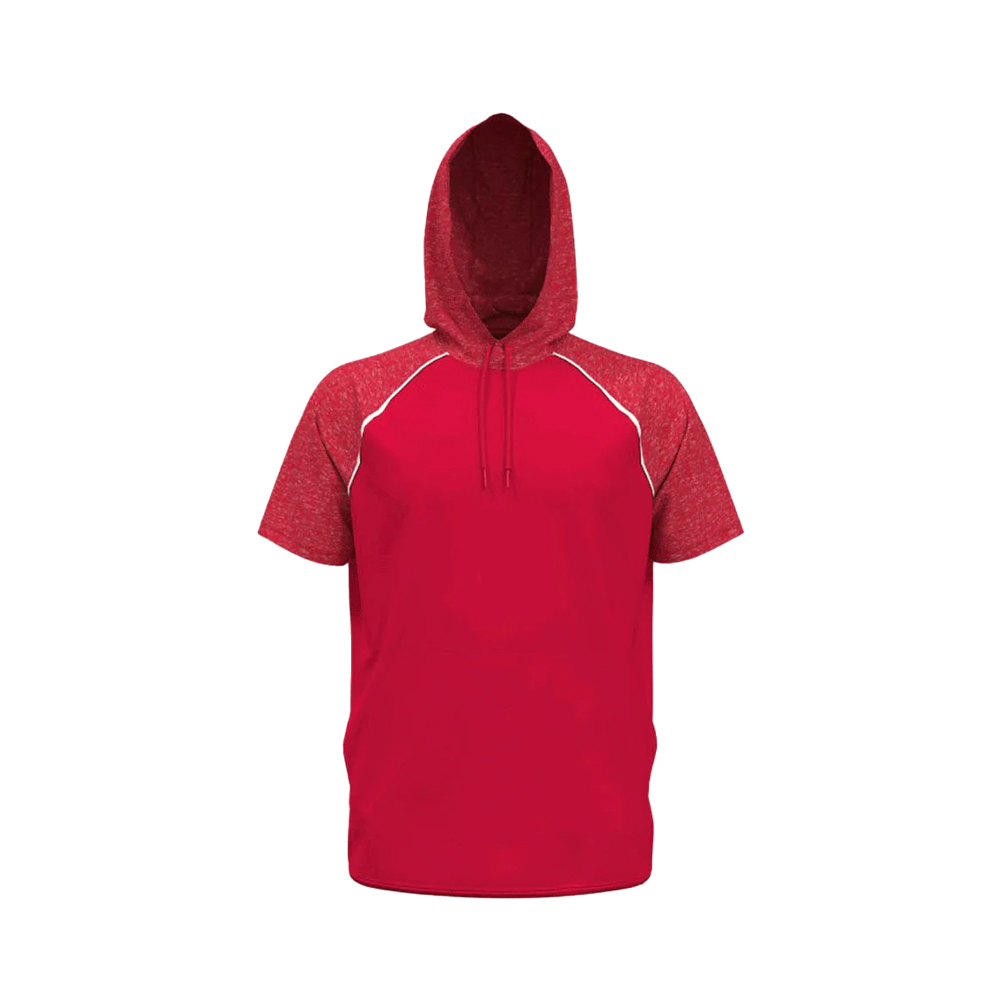
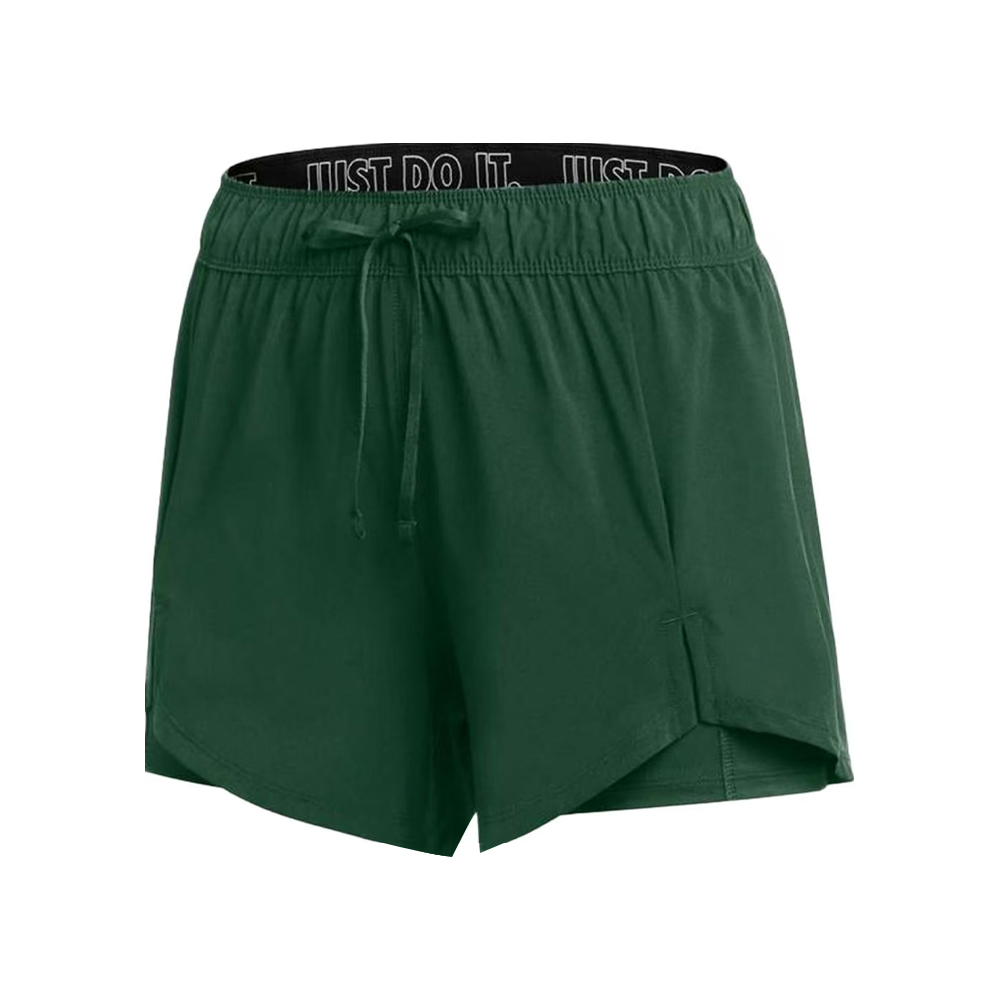
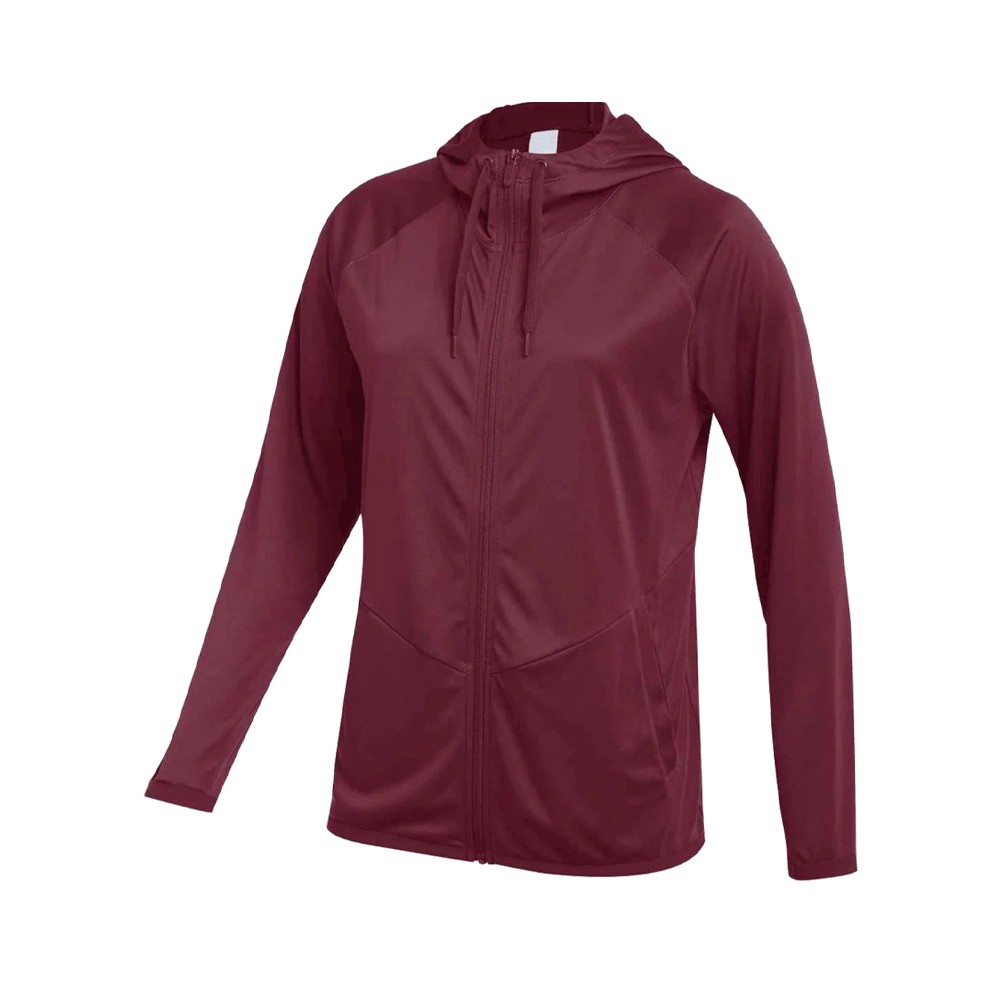
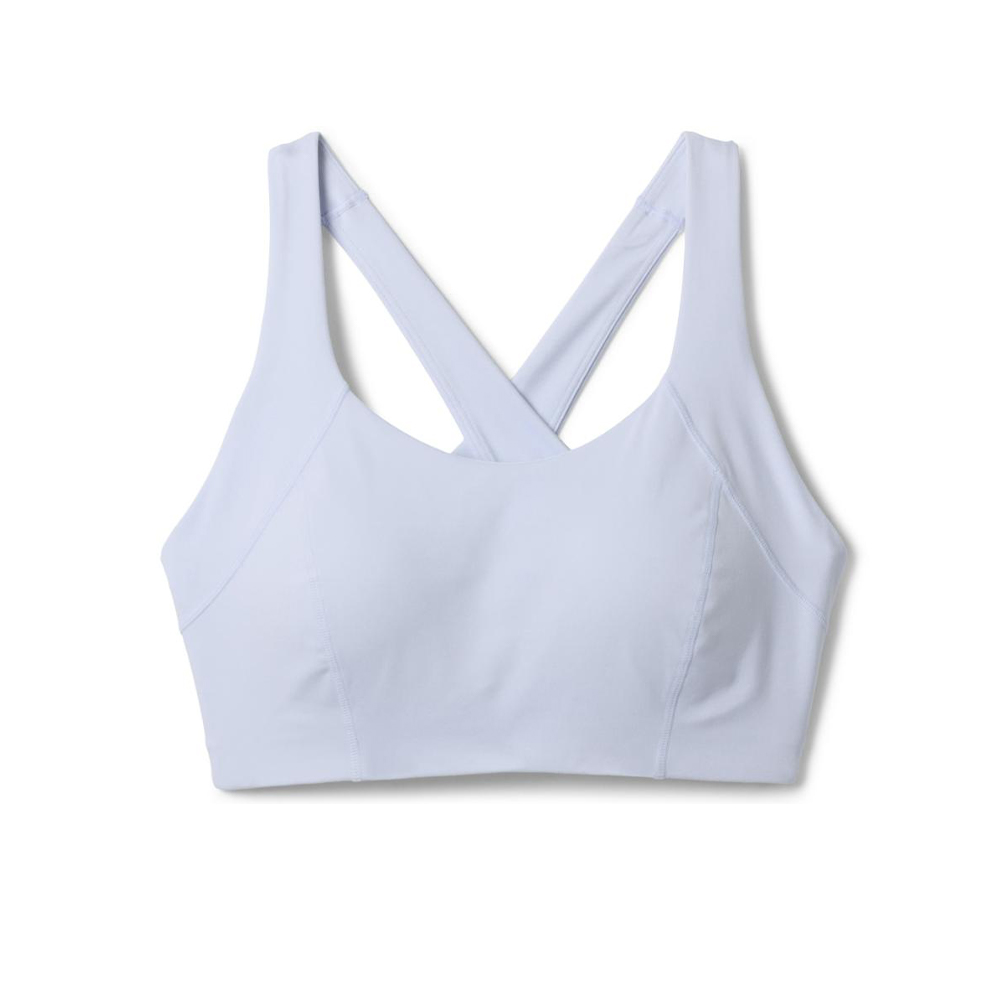
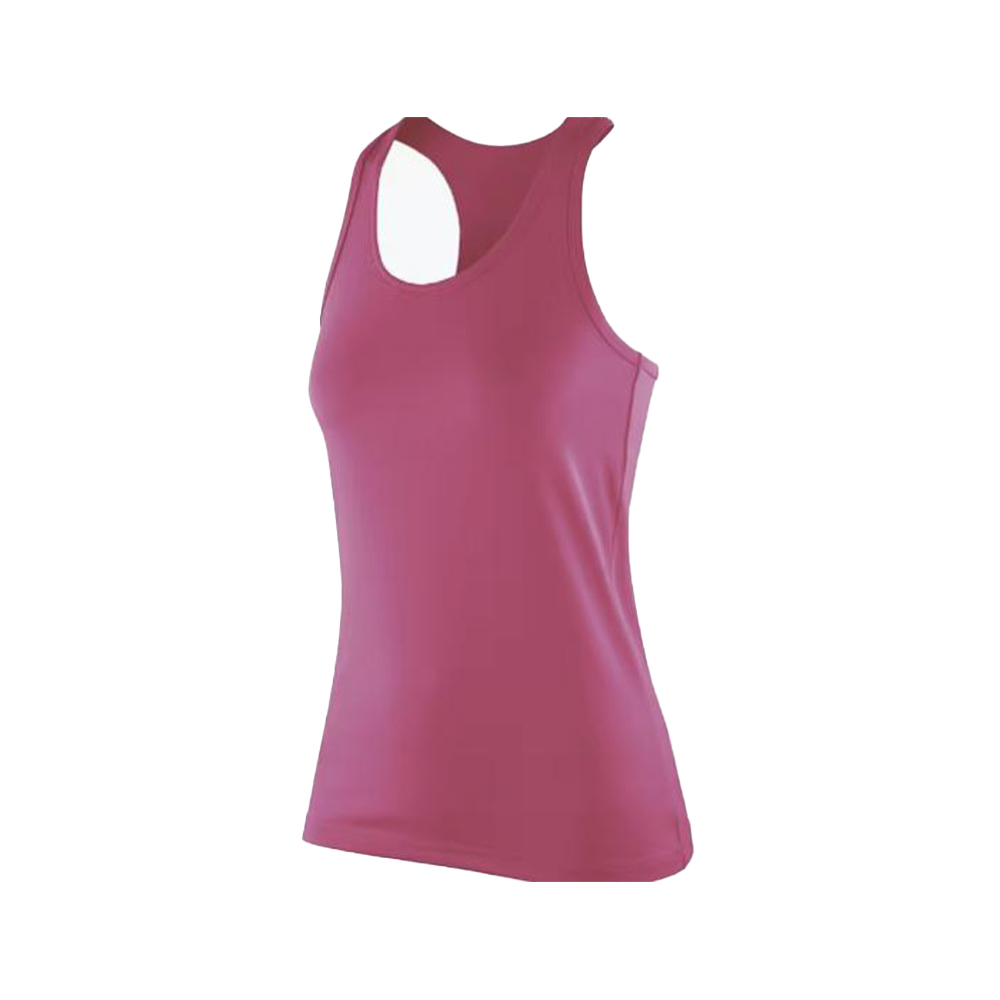
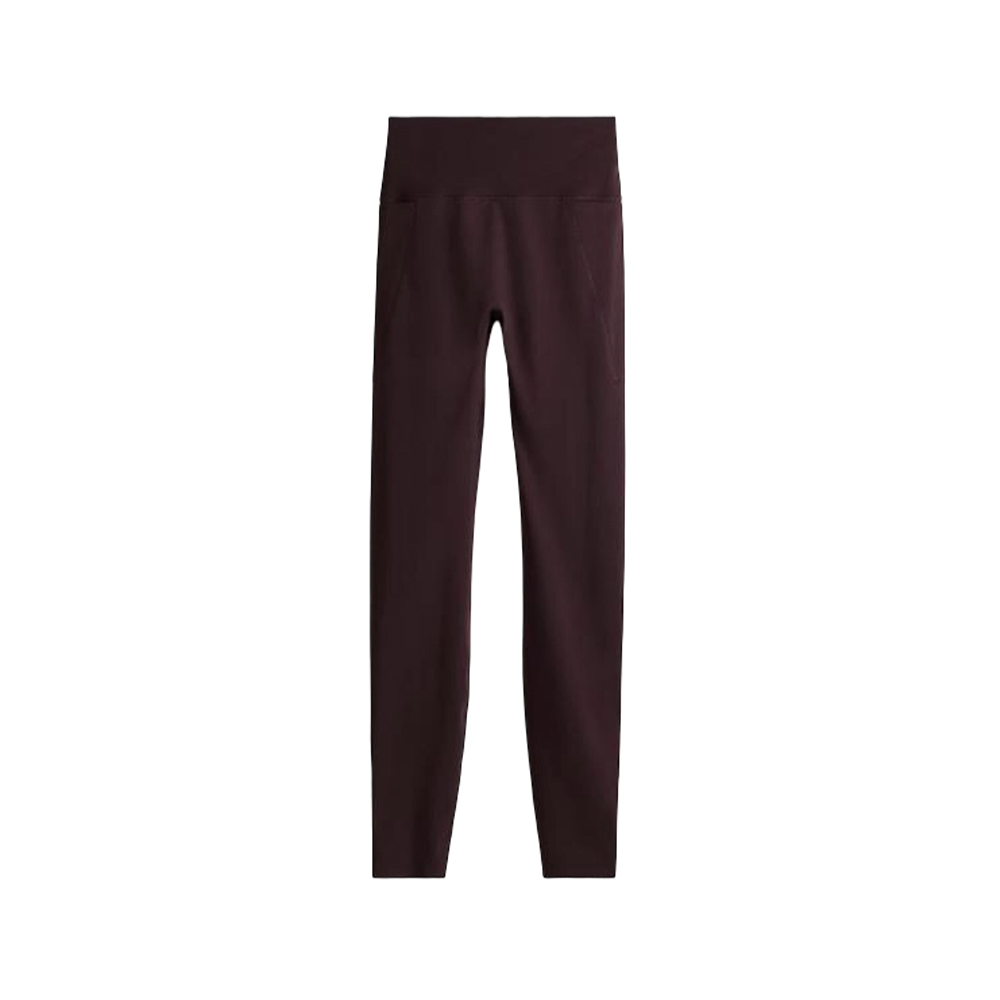
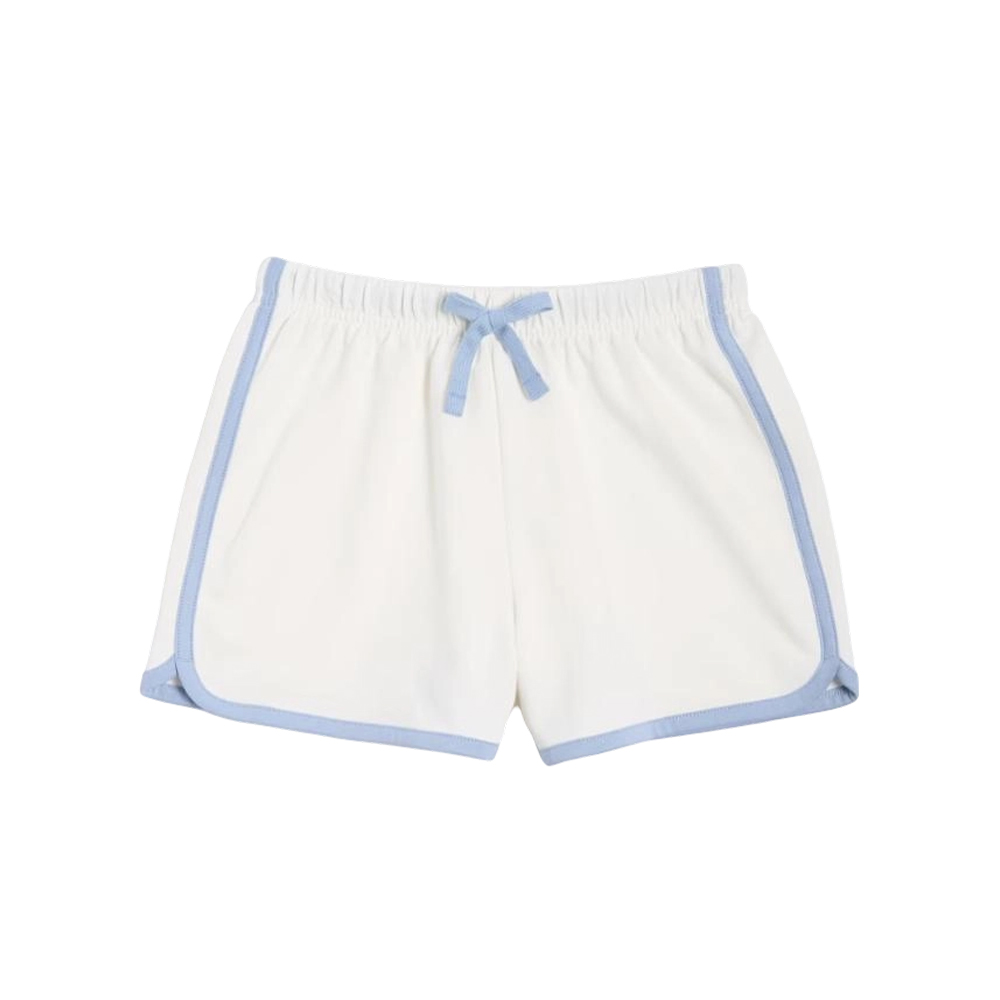
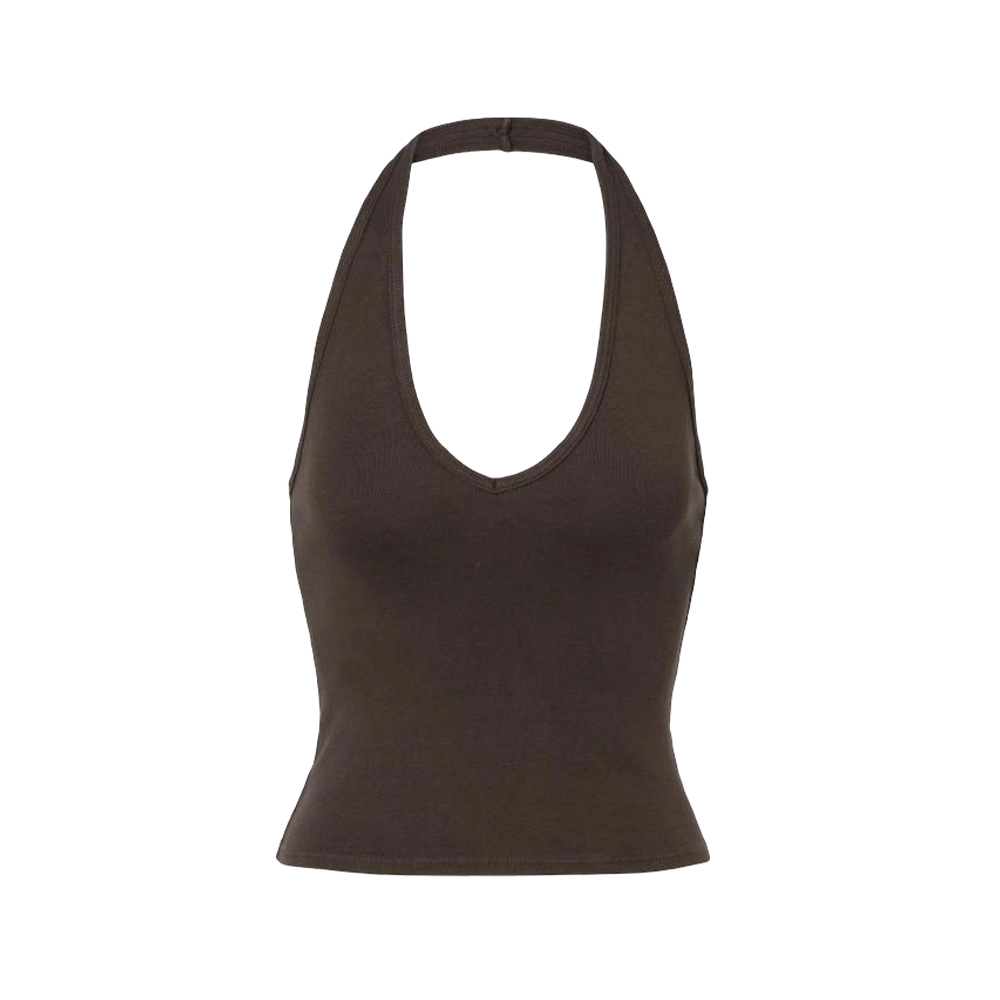
How Fiber Cross-Section Shapes Influence Moisture Management in Quick Dry Sport Clothes
Moisture-wicking performance is not solely determined by fabric composition—fiber cross-section geometry plays an equally critical role. Polyester fibers engineered with non-circular cross-sections, such as trilobal, cruciform, or wicking-channel profiles, create capillary networks between filaments that accelerate moisture dispersion across the fabric surface. This increases the surface-area-to-volume ratio, allowing sweat to evaporate up to 40% faster than standard round-fiber polyester of the same denier.
Chemical wicking finishes can provide an initial hydrophilic boost, but their effectiveness diminishes with repeated laundering. In contrast, mechanically engineered fiber structures retain their moisture-transport properties throughout the garment's lifecycle. When evaluating Quick Dry Sport Clothes, buyers should inquire about the fiber cross-section type rather than relying solely on fabric composition labels. A practical field test involves placing a single water droplet on the inner fabric face: fabrics with optimized capillary channels will spread the droplet laterally within 2 to 3 seconds, while surface-treated fabrics may bead temporarily before absorption.
Key Fiber Profiles and Their Wicking Characteristics
- Trilobal cross-section: Offers superior capillary action with three channels for rapid moisture transport, commonly used in high-output training apparel.
- Hollow-core fibers: Provide lightweight insulation alongside moisture movement, suitable for transitional-weather activewear.
- Cruciform (cross-shaped): Maximizes surface exposure for evaporation, ideal for ultra-light running garments.
- Round fibers with durable hydrophilic treatment: A cost-effective option, though wicking efficiency may gradually decline after 30 to 50 industrial wash cycles.
Seam Engineering Decisions That Determine the Longevity of Sport Fashion Clothes
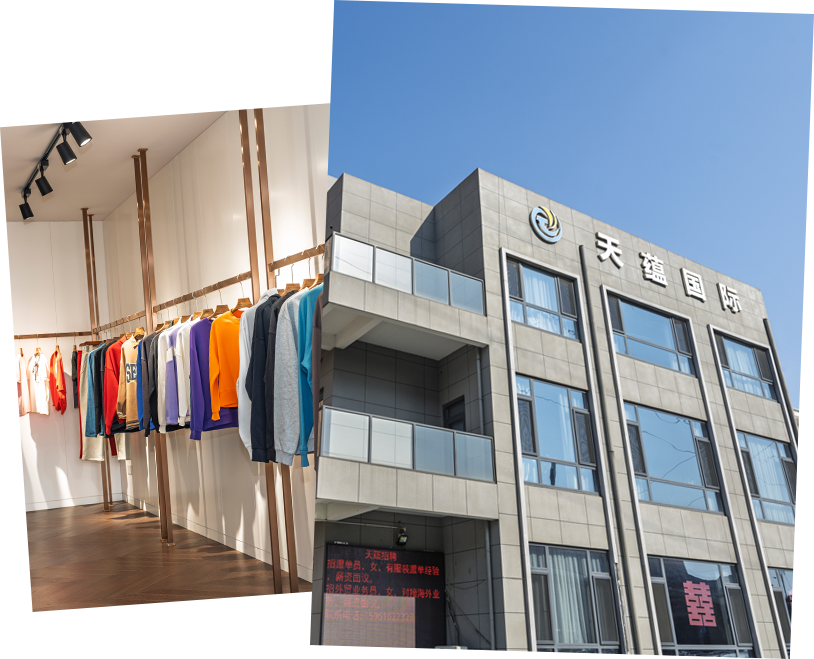
Seam construction is one of the most overlooked yet decisive factors in activewear durability. Unlike casual apparel, Sport Fashion Clothes must withstand repetitive tensile stress, friction against equipment, and frequent laundering. The choice between flatlock, overlock, and bonded seam technologies directly impacts garment lifespan, wearer comfort, and aesthetic quality. At Jiangyin Tianyun International Trade Co., Ltd., our technicians apply these specialized seam techniques across every production line, ensuring each garment meets the durability demands of both high-intensity training and everyday wear.
Comparative Analysis of Activewear Seam Types
| Seam Type | Strength Rating | Skin Comfort | Best Application |
|---|---|---|---|
| 4-Thread Flatlock | High | Excellent — low profile, no interior ridge | Yoga, running, base layers |
| Bonded (Ultrasonic) | Moderate to High | Superior — virtually seam-free feel | Compression wear, waterproof outer shells |
| 5-Thread Overlock | Very High | Moderate — noticeable interior stitching | Heavy-training apparel, team uniforms |
| Flatlock with Coverstitch | High | Very Good — smooth finish on both sides | Premium leggings, crop tops, layered pieces |
A critical quality indicator buyers can assess is the stitch density on stress-prone areas such as armholes and crotch gussets. For mid-weight activewear, a density of 10 to 14 stitches per inch on flatlock seams provides an optimal balance of elasticity and seam integrity. Anything below 8 stitches per inch significantly raises the risk of seam burst during dynamic movement.
Anatomical Design Features That Define High-Performance Women's Activewear Clothes
The distinction between generic sportswear and purpose-built Women's Activewear Clothes lies in anatomical design integration. Key features such as gusset construction, waistband engineering, and bust support architecture are not merely comfort enhancements—they are structural necessities that influence biomechanical efficiency and garment longevity under dynamic loads.
Gusset Configuration and Material Selection
A properly designed crotch gusset in leggings and training shorts should be diamond-shaped or triangular rather than a simple rectangular insert. This geometry follows natural hip articulation during lunges, squats, and running strides, reducing seam stress at the intersection point by distributing tension across three directional vectors rather than two. The gusset fabric itself should be a moisture-wicking cotton-spandex or polyester-elastane blend with antimicrobial treatment, as this zone experiences the highest bacterial load during wear. An unlined or single-layer gusset, while cheaper to produce, significantly compromises both hygiene and durability.
Waistband Support Tiers
- High-support waistbands: Feature a 6 to 8 cm encased elastic band with internal silicone grip strip. Suitable for high-impact activities like HIIT and running. Typically constructed with power-mesh lining for compression.
- Mid-support waistbands: A folded-over fabric band with 2.5 to 3.5 cm elastic encased at the top edge only. Offers a balance of hold and comfort for yoga and gym training.
- Light-support waistbands: Flat knit-in waistbands without separate elastic inserts, ideal for low-impact studio practice and leisure wear. These rely on the fabric's inherent stretch recovery, which should exceed 95% after repeated elongation.
Bust Support Integration
For tops and bodysuits with built-in support, the shelf bra construction should use a minimum two-layer encapsulation method: an inner moisture-wicking lining bonded to a medium-compression power mesh. Removable cup inserts are standard, but permanent molded-cup integration using heat-pressed foam laminates is gaining traction in premium lines because it eliminates shifting during laundering. The underband elastic should deliver 18 to 22 mmHg of compression for medium-impact activities without restricting ribcage expansion during deep breathing.
Fabric Weight as a Strategic Variable in Multi-Climate Activewear Ranges
Fabric weight, measured in grams per square meter (GSM), is a parameter that directly governs a garment's drape, opacity, thermal regulation, and suitability for specific activities. Understanding GSM enables buyers to curate seasonally coherent collections rather than relying on generic "lightweight" or "heavyweight" labels. We at Jiangyin Tianyun International Trade Co., Ltd. maintain an extensive fabric library with weights ranging from 120 to 320 GSM, helping our brand partners select the optimal substrate for their target market and climate zone.
| GSM Range | Fabric Feel | Best Suited Activity | Typical Fiber Blend |
|---|---|---|---|
| 120 – 150 | Ultra-light, airy | Hot-weather running, indoor cycling | 88–92% Polyester / 8–12% Elastane |
| 160 – 200 | Soft, moderate structure | Yoga, Pilates, studio training | 75% Nylon / 25% Elastane |
| 210 – 260 | Substantial, compressive | Gym training, HIIT, outdoor bootcamps | 70–78% Nylon / 22–30% Elastane |
| 270 – 320 | Heavy, high-compression | Cold-weather outdoor training, post-recovery wear | Brushed-back Polyester/Elastane blends |
Opacity is a critical quality checkpoint for lighter GSM fabrics, particularly in light-colored leggings and shorts. A practical stretch-opacity test involves extending the fabric to 50% elongation over a contrast-color surface: any visible show-through at this tension level indicates insufficient fiber density for consumer-ready products. For leggings in the 160–180 GSM range, incorporating a higher-denier nylon yarn in a double-knit construction can resolve opacity issues without adding significant weight.
Equally important is the relationship between GSM and drying time. Heavier fabrics naturally retain more moisture post-wash, but engineered knit structures—such as open-hole mesh or jacquard ventilation zones—can reduce drying time by 25 to 35% compared to solid-knit fabrics of identical GSM. This is an important consideration when developing year-round collections that must transition seamlessly between machine washing and rapid re-wear.

