English
 中文简体
中文简体
 Français
 Español
Content
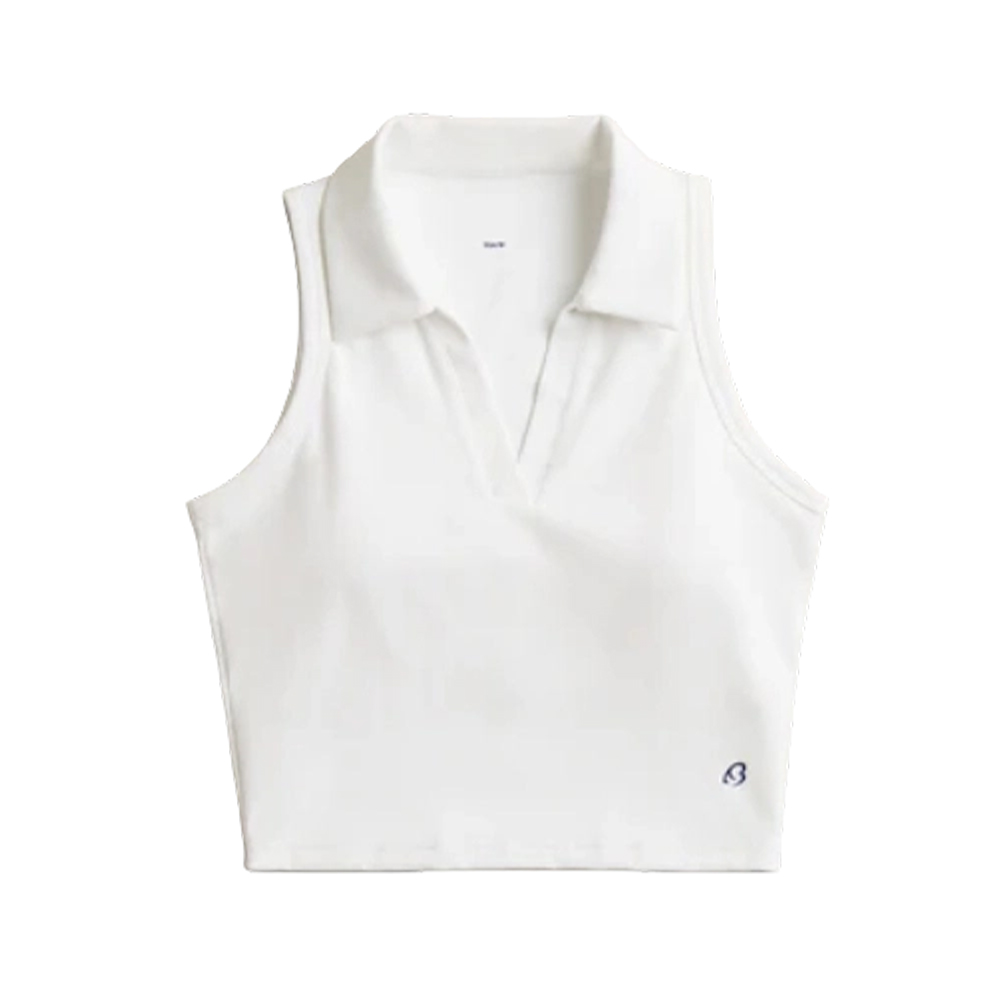
A cropped polo that shrinks half an inch after one wash looks broken in a way a full-length style never does. Shorter proportions leave nowhere to hide dimensional drift, skewed side seams, or an uneven hem. That single fact explains why sourcing a Knit Cropped Polo Shirts style demands tighter fabric discipline than sourcing a standard men's fit.
Gauge Choice Sets the Silhouette Before Cutting Begins
Machine gauge, measured in needles per inch, decides density, drape, and how the fabric behaves once it's cut short. A 28–32 gauge produces an ultra-fine, close-to-body jersey suited to dressier, smart-casual polos. Drop to 20–24 gauge and you get classic piqué — the balanced, breathable structure behind most corporate and sport Men's Polo Shirts. Go coarser still, to 14–18 gauge, and the knit turns chunky and textural, which is exactly what gives cropped and oversized styles their statement look.
None of these gauges is "better." The mistake buyers make is asking for a cropped silhouette in a fabric weight engineered for a regular fit, then wondering why the finished garment sits stiff or loses shape at the hem.
Shrinkage Tolerance Is the First Quality Gate, Not an Afterthought
Before a single yard gets cut, fabric should already have passed a dimensional stability test. A shrinkage tolerance of ±3% in length and width, checked against AATCC 135 after wash-and-tumble cycles, is the standard that keeps a cropped hemline where it's supposed to sit. Fabric weight (GSM) should hold within ±5% of spec to protect handfeel and opacity, and color consistency across a delivery should stay under a Delta E of 1.0 when measured under a D65 light source.
Pilling resistance matters just as much for longevity. A Martindale rating of Grade 3–4 minimum keeps the surface of a fine-gauge polo clean through repeated washing instead of turning fuzzy within a season. Ask any supplier for these four numbers before committing to a bulk order — if they can't produce them, the fabric hasn't been tested.
The Construction Details That Decide How Long a Polo Lasts
Fabric quality only carries a garment halfway. The rest comes down to construction choices that are invisible on a hanger but obvious after twenty washes. A rib collar built with a spandex core resists the collapsed, "bacon-neck" look that cheaper knits develop within weeks. Inside neck taping stops the shoulder seam from stretching under repeated pulling, which is often the first place a budget polo fails.
Double-needle coverstitching on the hem and sleeve keeps those edges flexible without curling, and cross-stitched buttons anchor far more securely than a straight four-hole stitch. Consistent seam tension across a production run also matters more than most buyers realize — uneven tension is what causes fine-gauge Men's Knitted Polo Shirts to twist slightly out of shape even when the fabric itself was fine.
Matching Decoration to the Knit Instead of Fighting It
Branding technique should follow fabric structure, not the other way around. Flat embroidery works cleanly on fine-gauge knits because minimal thread build-up avoids puckering across the chest. 3D puff embroidery adds tactile depth but needs a structured panel underneath, or it stiffens the garment unnecessarily. Water-based screen print penetrates the fibers for a soft, breathable graphic that won't crack — a good default for large back prints on cropped styles, where the print sits closer to the eye.
Silicone and high-density prints give a dimensional, glossy or matte finish, but they require carefully controlled curing so the base knit doesn't scorch. Garment dye with a discharge print, meanwhile, produces a lived-in, vintage tone where dye and print blend rather than sit on top of each other. Every technique should run through a pre-production sample first to confirm wash fastness and stretch compatibility before it hits a bulk order.
What Separates a Reliable Factory From a Middleman
Vertical integration is the difference that shows up months later, not on day one. A manufacturer that runs its own weaving, dyeing, embroidery, and garment washing under one roof can catch a fabric or color problem before it reaches sewing — a supplier reselling from three unrelated vendors usually can't. Scale backs this up in practice: a factory operating 30 hanging production lines since 2002, producing upward of 16 million knitted garments a year across dual China and Vietnam hubs, has the tension consistency and testing infrastructure that a smaller cut-and-sew shop typically lacks.
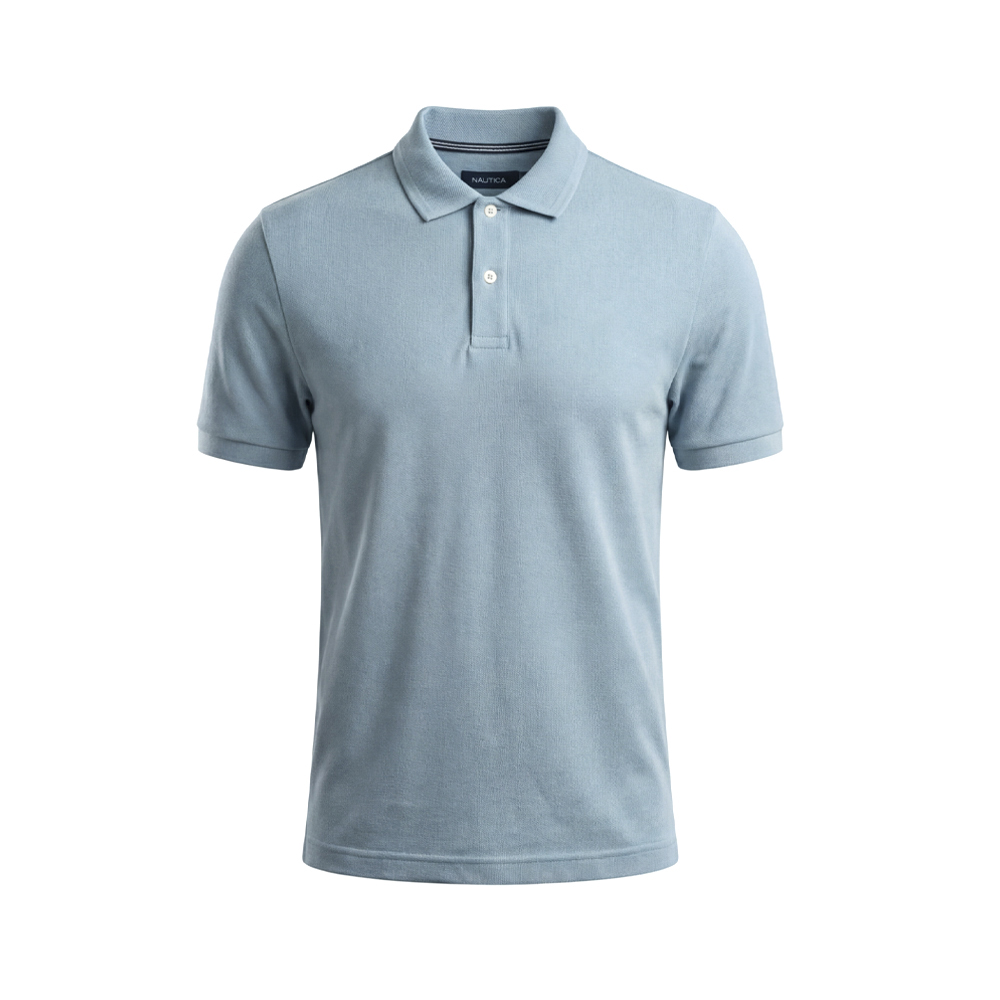
For a concrete reference point, a style like the Men's Cotton Polo Short Sleeve Shirt shows how gauge, shrinkage control, and collar construction come together in a finished piece rather than staying theoretical. Before placing a bulk order, ask for the shrinkage report, the GSM tolerance sheet, and a pre-production sample with the actual decoration applied. Those three documents tell you more about a factory than any sales pitch will.