English
 中文简体
中文简体
 Français
 Español
Content
- 1 Quick Dry Sport Fashion Clothes: What Buyers Should Verify First
- 2 Why Drying Speed Decides the Sale
- 3 What Separates Functional Activewear From Generic Sportswear
- 4 Manufacturing Scale That Makes Consistency Possible
- 5 A Short Checklist Before Placing a Bulk Order
- 6 The Real Cost of Getting This Wrong
Quick Dry Sport Fashion Clothes: What Buyers Should Verify First
A garment that soaks up sweat and stays wet for an hour loses a customer faster than almost any other defect. That single failure point — slow drying time — is why quick-dry performance has quietly become the deciding factor for brands sourcing sport fashion clothes, ahead of print quality or even price per unit.
Retail buyers rarely test fabric science themselves. They rely on the factory's lab data and repeat-order history instead. So before signing off on a bulk order, it helps to know exactly what separates a genuinely functional garment from one that only looks the part on a product photo.
Why Drying Speed Decides the Sale
Moisture management works through capillary action: fibers pull sweat away from skin and spread it across a wider surface so it evaporates faster. According to textile research on moisture management, this wicking property is one of the most significant contributors to thermal comfort in performance fabric, which is exactly why it shows up first in customer reviews and returns data.
For a supplier producing Quick Dry Sport Clothes, that means yarn selection and knit density matter more than the finish printed on the label. A polyester-spandex blend with the right cross-section fiber structure will outperform a heavier cotton blend on every drying-time test, even if the cotton version feels softer on the rack.
What Separates Functional Activewear From Generic Sportswear
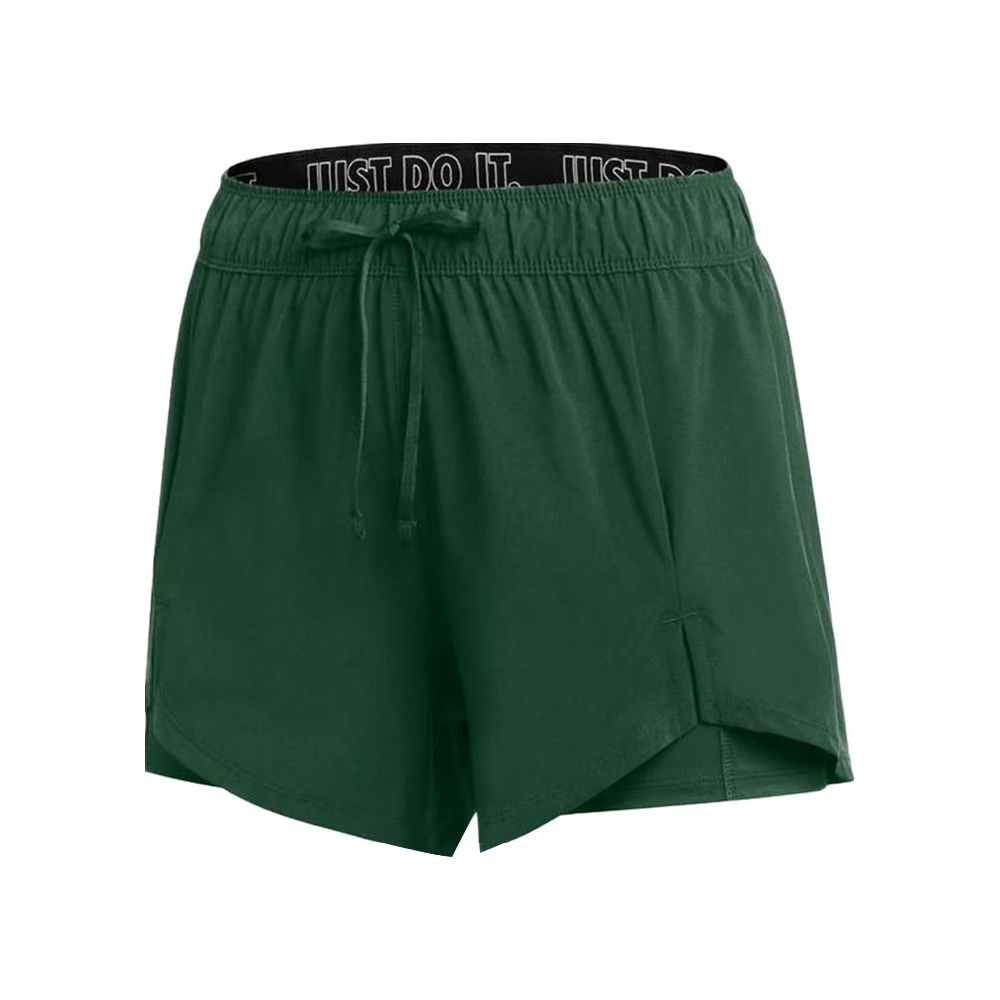
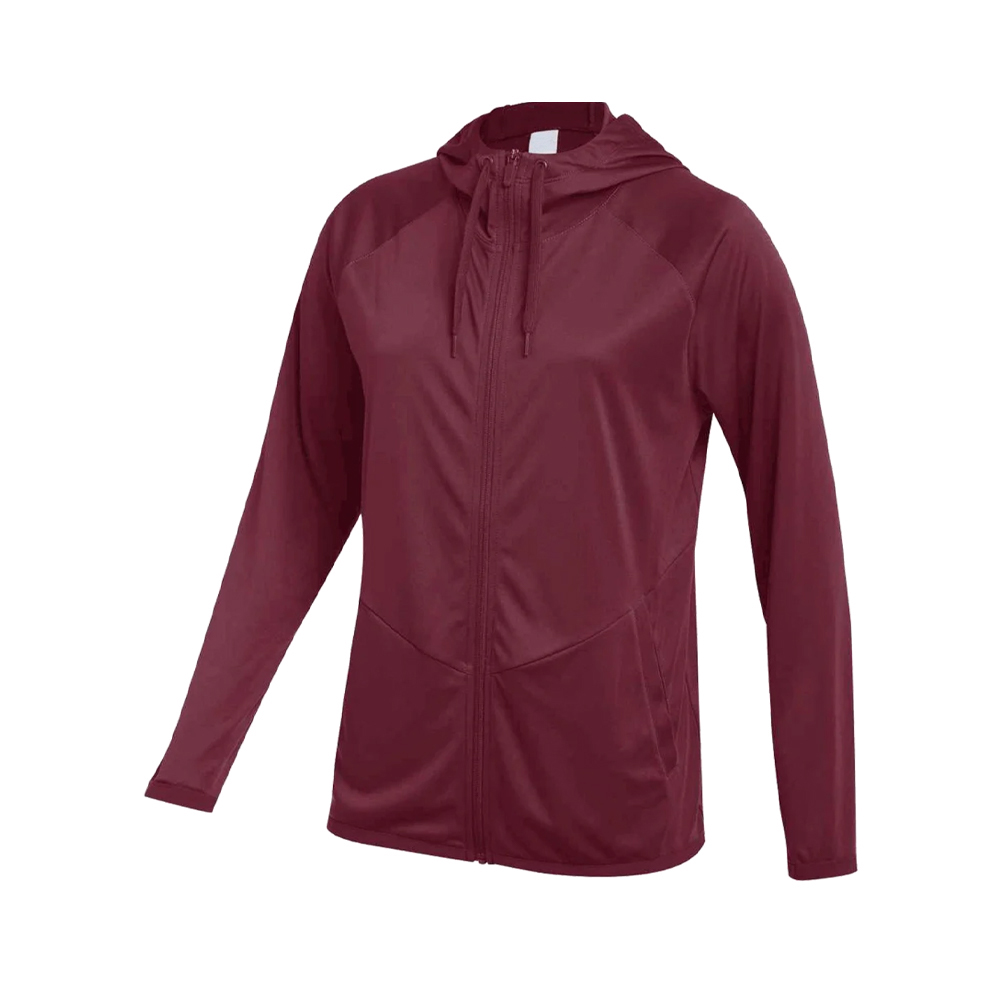
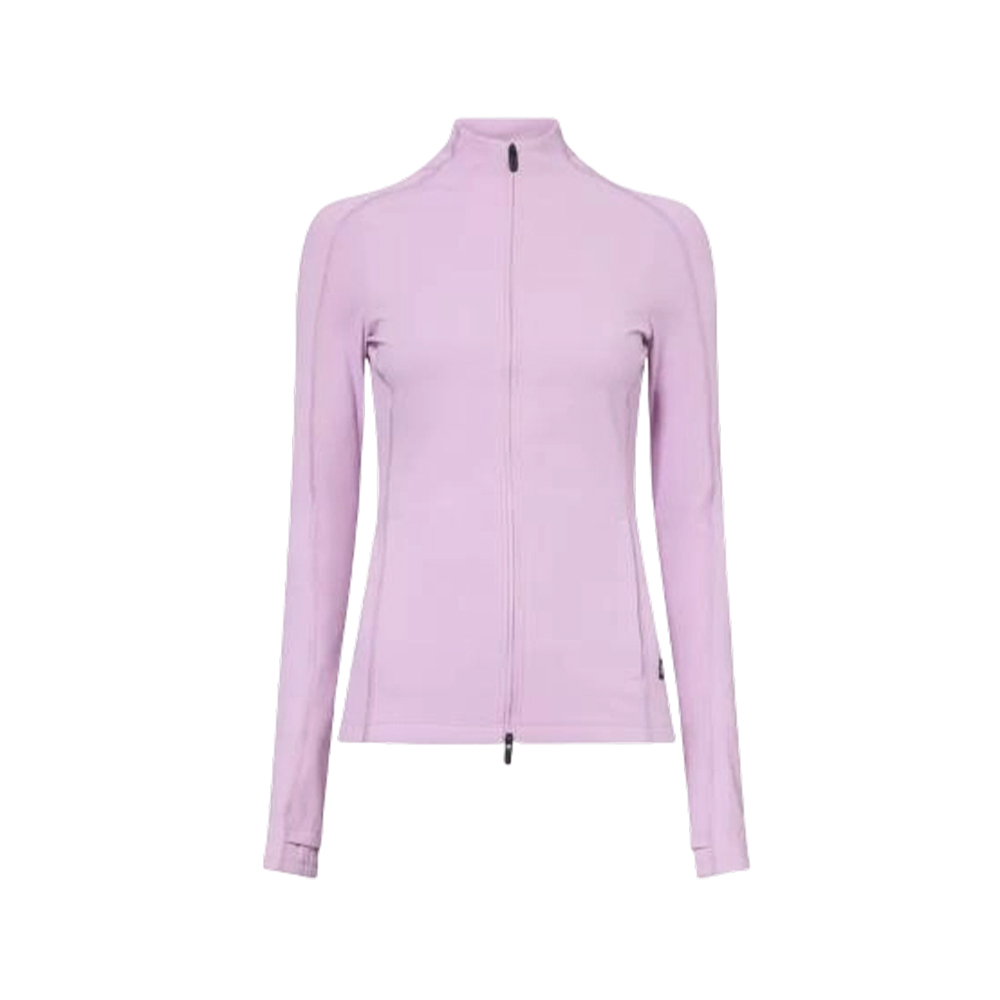
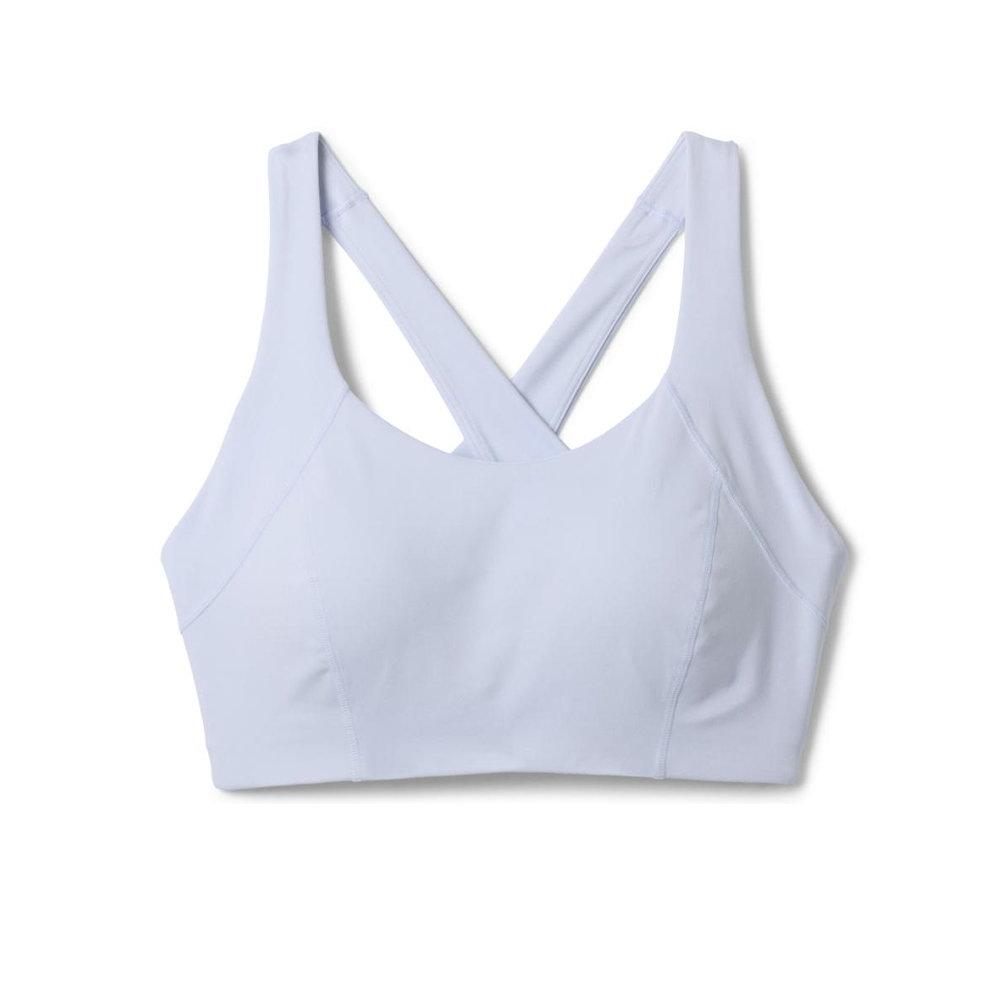
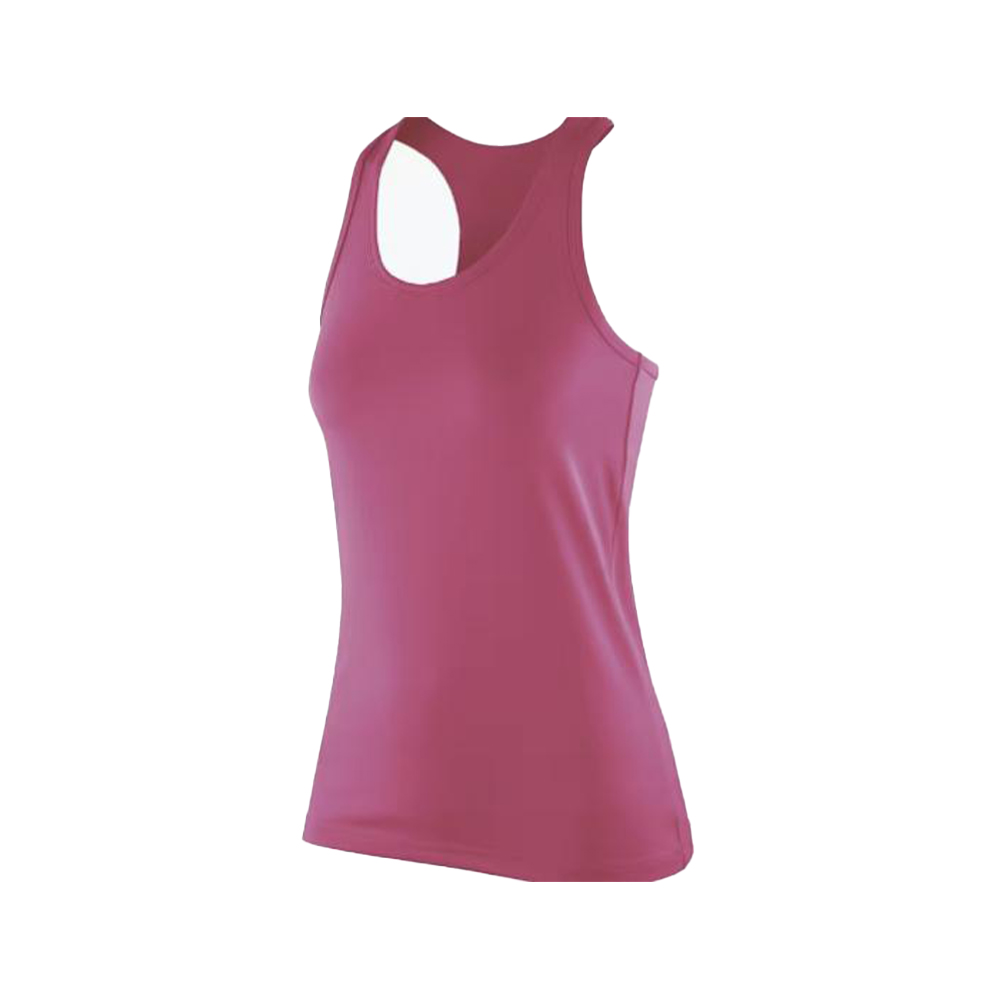
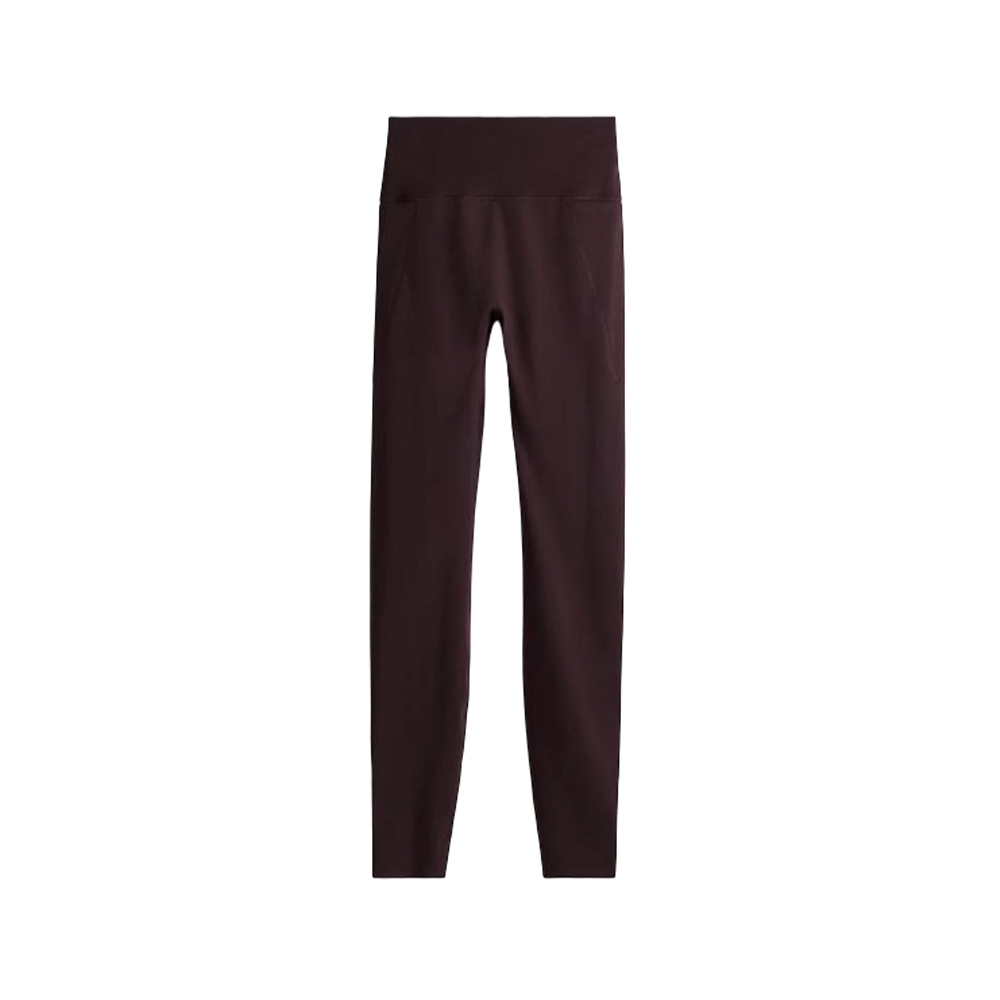
Not every stretch fabric qualifies as activewear. Buyers evaluating a line of Women's Activewear Clothes should push suppliers on three specifics rather than accepting generic claims:
- Four-way stretch recovery after repeated wash cycles, not just initial elongation
- Seam placement that avoids chafing points during high-range movement, such as flat-lock or bonded seams
- Colorfastness under sweat and UV exposure, since sport apparel sees more sun and salt than casual wear
These details rarely appear on a spec sheet unless the buyer asks. A factory that answers with test reports rather than marketing language is usually the one worth building a long-term relationship with.
Manufacturing Scale That Makes Consistency Possible
Fabric performance is only half the equation. The other half is whether a factory can reproduce that same quality across 50,000 units without drift between batches. This is where vertical integration matters: when weaving, dyeing and finishing, embroidery, printing, and garment washing all sit inside one supply chain, color and fabric hand stay consistent because nothing is outsourced to a third party with different equipment calibration.
Jiangyin Tianyun runs this model at scale — over 1,500 employees across 30 garment hanging production lines, producing roughly 16 million knitted garments annually for global brand clients. That volume only stays reliable because dyeing, finishing, and washing all happen under one roof instead of being split across subcontractors.
A Short Checklist Before Placing a Bulk Order
- Ask for actual drying-time lab results, not a general "quick-dry" claim
- Request a pre-production sample washed five times to check shrinkage and stretch recovery
- Confirm which processes — dyeing, printing, embroidery — happen in-house versus subcontracted
- Check minimum order quantities against your seasonal sell-through data, not the other way around
Suppliers with an internal embroidery and printing facility can usually turn around design changes in days rather than weeks, since there's no queue at a second factory to wait behind.
The Real Cost of Getting This Wrong
A slow-drying, poorly seamed activewear line doesn't just generate returns — it damages repeat purchase rates for an entire product category. Brands that verify fabric testing and factory integration up front spend less time firefighting quality complaints later, and more time actually growing the range.
Sourcing decisions in this category come down to two questions: does the fabric actually perform the way it's marketed, and can the factory hold that performance steady at volume. Suppliers who can answer both with data, not adjectives, are the ones worth building a multi-season order plan around.