English
 中文简体
中文简体
 Français
 Español
Content
What Buyers Look for in a Leisure Wearing Manufacturer
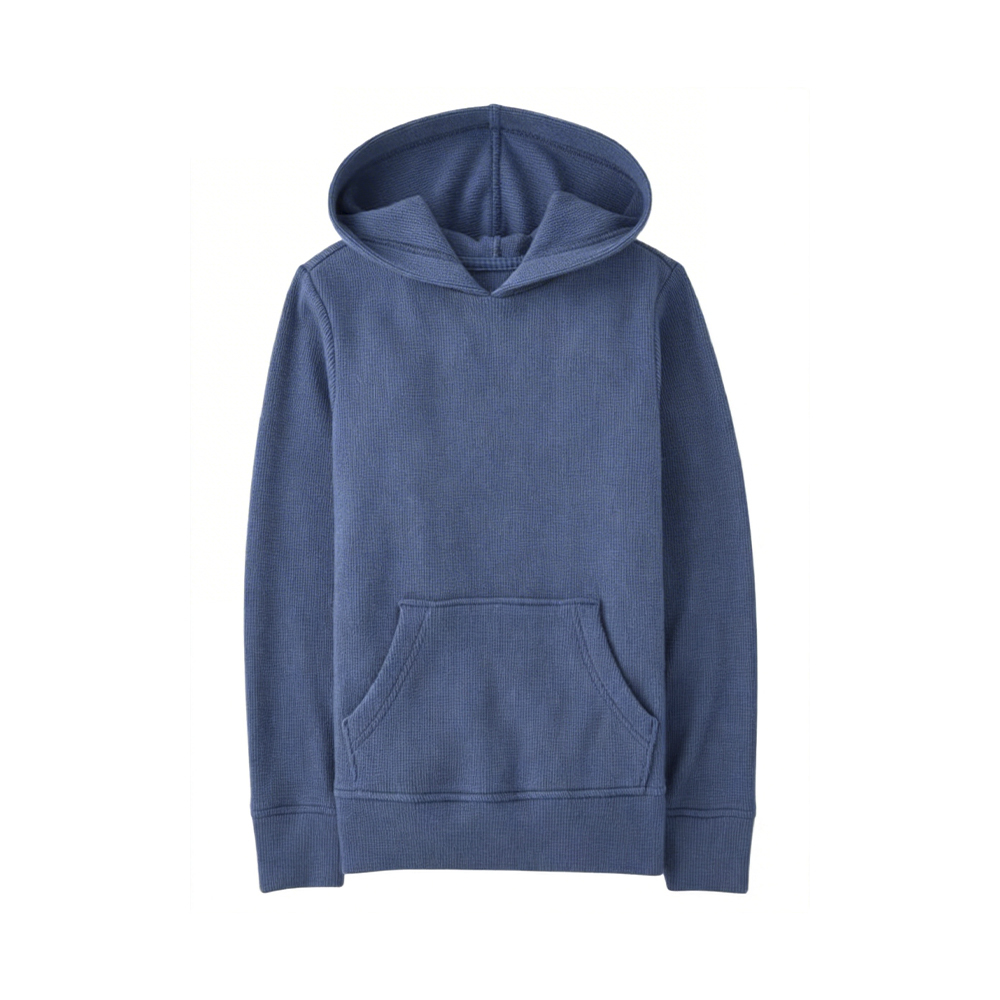
A buyer places a bulk order for knit hoodies. The fabric mill runs three weeks behind, the dye house won't match the lab dip, and the garment factory blames both for the delay. By the time everyone agrees on a fix, the shipping window has closed. This is the scenario that pushes most brands toward a different sourcing model.
What they end up looking for is not just a sewing line, but a Leisure Wearing Manufacturer that owns the steps before and after cut-and-sew. When weaving, dyeing, and finishing sit inside the same group as garment production, there is one point of accountability instead of three separate vendors passing blame.
That single point of contact also shortens the feedback loop on fabric approvals, dye lots, and trims — the details that usually cause the longest delays in casual wear production.
Inside a Vertically Integrated Leisurewear Factory
Jiangyin Tianyun operates as a Leisurewear Factory built around this exact structure. The group covers weaving, fabric dyeing and finishing, and garment manufacturing under one roof in Zhutang, a town in Jiangyin City known for its concentration of clothing export production.
Beyond the core garment lines, the group also runs its own embroidery factory, printing factory, and garment washing mill. For a brand developing a distressed-wash hoodie or an embroidered polo, that means the decoration and washing steps happen inside the same industrial chain rather than being outsourced to a third party with its own queue and its own quality standards.
This structure matters most during mass production, when even small inconsistencies between subcontractors can show up as color variance or embroidery misalignment across a large order. Keeping every stage in-house removes several of the usual failure points.
Production Scale That Supports Bulk Casual Wear Orders
Scale is what turns vertical integration into a practical advantage rather than a marketing line. Jiangyin Tianyun employs over 1,500 staff across its facilities and runs 30 garment hanging production lines, the setup typically used for knitwear that needs to move through multiple finishing stages without flattening or distortion.
Annual output reaches 16 million knitted garments, with yearly sales of US$150 million — figures that place the group among the larger integrated producers serving the export market for Casual Wear and knitted apparel.
That volume gives brands room to plan differently. A program that needs to scale from a 5,000-piece test order to a 200,000-piece reorder can stay with the same factory, the same fabric supplier, and the same quality benchmarks throughout, instead of requalifying a new vendor mid-program.
Choosing a Reliable Partner for Leisure Clothing Programs
A few questions separate a dependable partner from a factory that only looks good on paper. Does the group control its own fabric dyeing and finishing, or does it depend on outside dye houses with variable turnaround? Are embroidery, printing, and washing handled in-house, or subcontracted out once the order is confirmed?
Order-scale evidence matters too. A factory's stated capacity should be checked against real output numbers — production lines, annual unit volume, and workforce size are harder to overstate convincingly than a general claim of "reliable quality."
For brands sourcing Leisure Clothing at wholesale volume, the combination of a full industrial chain and documented production capacity is what makes a smart factory setup translate into consistent delivery, season after season, rather than a one-time success that's hard to repeat.