English
 中文简体
 Français
 Español
Content
Four days on a trade-show floor will not shorten a lead time on its own. What changes a sourcing calendar is walking the Garment Technology Expo with three named bottlenecks, a specification sheet and a stopwatch.
The 41st edition of GTE Delhi NCR is scheduled for 26 to 29 March 2027 at India Expo Centre and Mart, Greater Noida, following the 40th edition held in Bengaluru in 2026. The circuit then continues through Coimbatore, Kolkata and Ahmedabad. Read that calendar as a repeating audit of the apparel value chain rather than a run of product launches: cutting, sewing, finishing, printing, fabrics and trims, all demonstrated on working equipment.
What a Garment Technology Expo Actually Covers
A garment technology expo is a trade exhibition that presents apparel production technology to the trade: cutting and sewing machinery, digital textile printing, finishing and packing equipment, fabrics, trims and accessories.
GTE describes itself as the most comprehensive apparel production technology show in South East Asia, and the floor is organised around the production sequence rather than around supplier branding. Exhibits generally fall into six groups:
- Cutting room. CAD and marker-making software, fabric spreaders, straight knife and die cutters, automated cutting tables.
- Sewing floor. Lockstitch, overlock, flatlock and feed-off-the-arm machines, bartack and buttonhole units, automated workstations and hanging-line transport systems.
- Finishing and packing. Fusing and bonding presses, vacuum steam tables, spotting units, folding, tagging and bagging lines.
- Printing and decoration. Digital textile printers, screen printing carousels, embroidery heads and laser finishing.
- Fabric, trims and accessories. Knitted and woven fabrics, zippers, interlinings, labels and packaging.
- Software and shop-floor systems. PLM, ERP, production tracking and quality modules.
For a knitwear operation, two groups deserve the most floor time. Sewing automation sets both seam quality and piece rate, while finishing decides how many hours a plant loses to pressing, re-pressing and packing. Both become measurable inside a single order cycle.
GTE Editions, Dates and Venues at a Glance
The Garment Technology Expo runs as a multi-city circuit; the next confirmed edition is the 41st, GTE Delhi NCR, from 26 to 29 March 2027 at India Expo Centre and Mart, Greater Noida.
| Edition | Host city | Date and venue |
| 41st | Delhi NCR | 26-29 March 2027, India Expo Centre and Mart, Greater Noida |
| 42nd | Coimbatore | Dates and venue to be announced |
| 43rd | Kolkata | Dates and venue to be announced |
| 44th | Ahmedabad | Dates and venue to be announced |
Two practical notes follow. The Delhi NCR edition is a spring show, which suits buyers finalising autumn and holiday ranges, and the co-located format lets a visitor compare machinery, printing and trims in one hall instead of three separate trips. Later editions are announced progressively, so travel planning stays a rolling exercise.
Why the Show Floor Shapes Sourcing Decisions
The show floor shapes sourcing because the equipment a factory installs defines the tolerances, minimum order quantities and lead times it can offer two years later.
Two plants can quote the same polo shirt at the same price and behave completely differently once volume grows or the fabric changes. That difference is usually visible in the machine list, which is why a well-run visit works as a supply-base audit rather than a shopping trip.
What the exhibit shows
- Machine speed in needles per minute
- Ideal fabric and thread assumptions
- Throughput measured on one style
- Optional modules framed as standard
What an audit confirms
- Real output on your fabric and seam type
- Defect rate over a 10,000-piece run
- Changeover time between two styles on one line
- Spare parts, service response and technician cover
How to Plan a Two-Day Visit That Produces Decisions
Two days is enough if the visit is planned as five steps and the decision list is fixed before the flight is booked.
- Name the three bottlenecks. Write down where your plant or your supplier loses the most minutes per thousand pieces; spreading, side seams and pressing are the usual candidates.
- Map halls to bottlenecks. Assign each problem to one hall and cap day one at those halls. A five-hall sweep produces photographs, not answers.
- Ask for the technical lead. Sales staff can describe a machine; only a technician can explain what happens when a needle breaks at 1,200 pieces per shift.
- Bring a spec sheet and a cut sample. Ask every shortlisted supplier to run your sample on the machine, not their demonstration garment in their own fabric.
- Close the loop with a reference visit. A machine installed at a plant two hours from yours is worth more than a show-floor discount.
A suggested split of floor time for a knitwear sourcing team, based on where the purchasing decisions actually sit:
Mapping Show Technology onto Knitwear Categories
Production technology creates sourcing value only when it is mapped onto a category you actually buy. Three mappings recur in knitwear programmes.
Stretch and seam integrity in athleisure
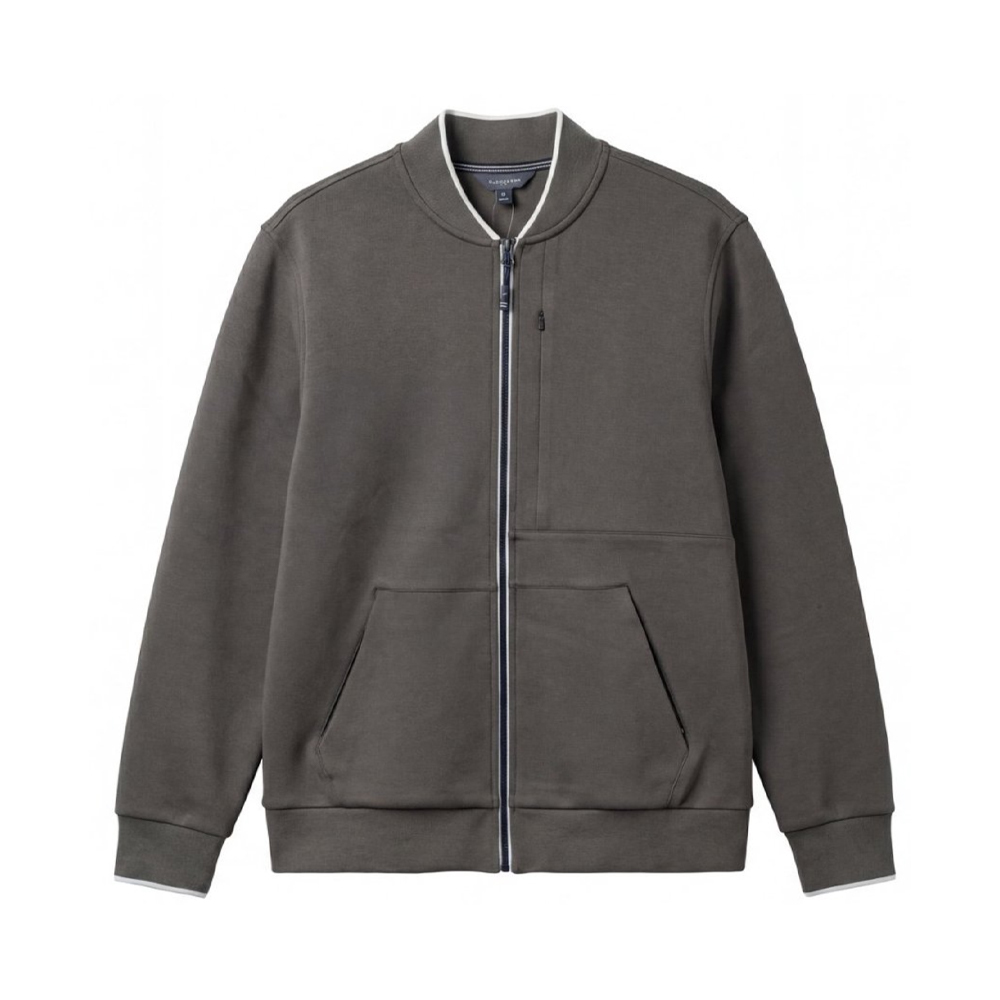
Four-way stretch jersey and high-waist leggings are decided by flatlock and coverstitch quality. A seam that survives the squat test is a product; one that does not is a return. On the sewing floor that means controlled differential feed and stable thread tension across a long line, which is exactly what the automation exhibits are built to demonstrate.
 Women's High-Waist Recycled Nylon Yoga Leggings with Side PocketsStretch recycled nylon-blend leggings with ergonomic fit, side pockets and broad size range, relevant to activewear seam quality and automated production.View Product →
Bonding, seam sealing and packability in outerwear
Laminated shells, taped seams and UPF ratings move the critical work from the needle to the press. Fusing temperature, dwell time and pressure tolerances are tighter than most sewing parameters, so bonding and fusing exhibits matter more to outerwear buyers than machine speed figures do.
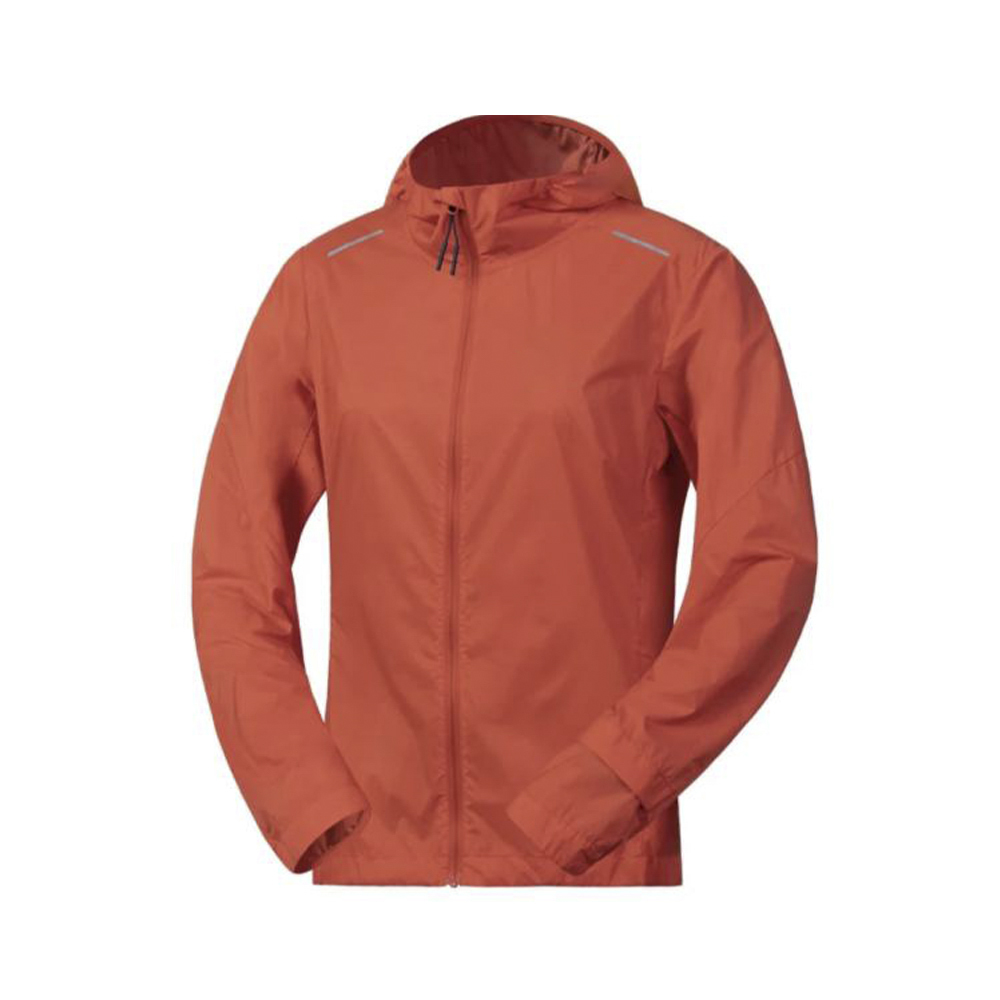 Men's Packaway UPF100+ Softshell Outdoor JacketLightweight packaway jacket with UPF100+ cooling fabric, full zip, concealed side pockets and tunic styling for hiking, commuting and travel.View Product →
Digital printing on sustainable cotton in kidswear
Digital textile printing changed the economics of short printed runs: a few hundred pieces per design is now viable without screens, which suits kidswear and homewear programmes that need seasonal novelty on organic cotton bases.
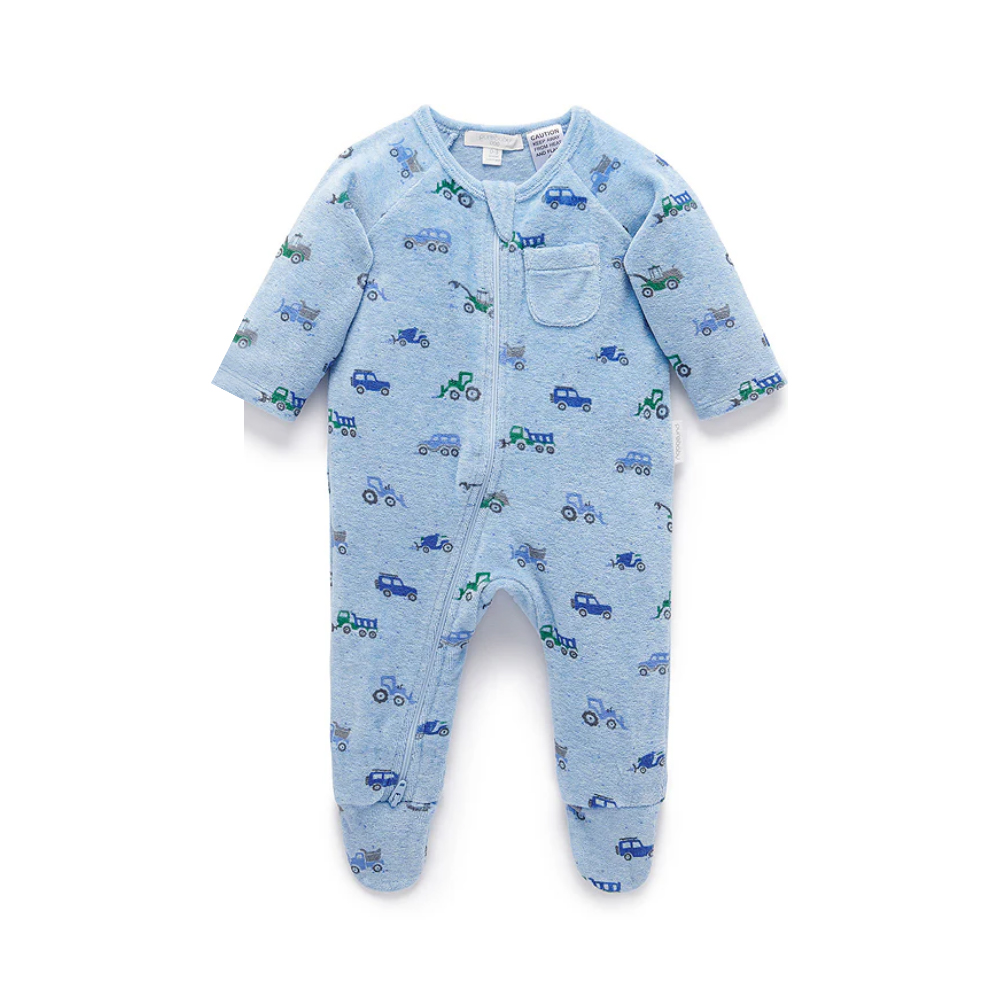 Organic Cotton Printed Baby Grow Suit with Two-Way ZipCertified organic cotton romper with two-way zip, footies and snow-vehicle print, relevant to short-run printed kidswear and integrated knitwear production.View Product →
None of this technology delivers on its own. It becomes useful inside a supply chain where weaving, dyeing, embroidery, printing and washing sit in the same group as the sewing lines, which is the model behind our own knitwear production: 30 hanging lines, roughly 16 million knit garments a year, and the same logic that governs how production is extended across borders, as the exhibition track record shows.
Garment Technology Expo: Frequently Asked Questions
When and where is the next Garment Technology Expo?
The 41st edition, GTE Delhi NCR, is scheduled for 26 to 29 March 2027 at India Expo Centre and Mart, Greater Noida. Later editions are planned for Coimbatore, Kolkata and Ahmedabad, with dates and venues announced as the circuit progresses.
Who should attend, buyers or factory engineers?
Both, for different reasons. Buyers use the floor to see what their suppliers can and cannot do; engineers use it to compare cycle times, tolerances and service support. GTE is a trade event patronised by manufacturers, exporters and trade professionals, so conversations tend to be technical by default.
What should a first-time visitor bring?
A one-page specification sheet for a live style, a cut sample, a stopwatch and a list of three bottlenecks. Photographs of your current line layout help suppliers answer layout questions on the spot rather than by email a week later.
How quickly can a show visit change a sourcing decision?
Usually within one order cycle. Machine quotations take days, installation and trials take weeks, and the effect on a quoted lead time normally becomes measurable by the following season.