English
 中文简体
 Français
 Español

Content
- 1 What a Bespoke Manufacturing Company Actually Delivers
- 2 Bespoke vs. Mass Production: Where the Two Models Diverge
- 3 Where Bespoke Programmes Break Down
- 4 A Verification Checklist Before You Sign
- 5 Cost, MOQ and Lead Time: Realistic Numbers
- 6 What Vertical Integration Changes for Bespoke Work
- 7 Questions Buyers Ask About Bespoke Manufacturing
A buyer who asks for 400 hoodies in three custom fabric weights, a placement print that has never been produced before, and a woven label carrying a hand-drawn logo is not shopping from a catalogue. They are asking a factory to build a specification from nothing, freeze it, and repeat it twelve times without drift. That is the job a bespoke manufacturing company takes on, and most of the risk sits in the approvals long before anyone reaches a sewing machine.
What a Bespoke Manufacturing Company Actually Delivers
A bespoke manufacturing company builds production around a client's own specification, so pattern, fabric, trim, print position and finish are decided per order rather than pulled from a stock line.
The word itself hides three very different tiers of service, and buyers who do not separate them end up comparing prices for work that is not the same work.
- One-off and on-demand: single units or runs of 1 to 50 pieces, usually digital print plus cut-and-sew, measured in days rather than weeks.
- Small-batch bespoke: 50 to 500 pieces per style, custom labels and trims, fabric taken from stock or a near-match, typically 4 to 8 weeks.
- Custom-spec bulk: 1,000 pieces and above per colourway, custom-knit fabric with lab dips, full size grading, 45 to 75 days from approval.
Ask which tier a supplier actually means before you compare quotations. A factory pricing a 50-piece run at bulk rates is normally quoting stock fabric and a modified block, not a bespoke pattern.
Bespoke vs. Mass Production: Where the Two Models Diverge
The difference between bespoke and mass production is not quality. It is where the cost sits, and how late a buyer can still change their mind.
Bespoke and custom-spec
- Pattern blocks and grading built around your fit
- Fabric knitted or dyed to your colour reference
- Change window measured in days, not hours
- Cost front-loaded into sampling and lab dips
Catalogue production
- Existing blocks, minor trim adjustments only
- Fabric selected from a mill's stock list
- Decisions fixed early, price falls with volume
- Cheap to start, difficult to differentiate on shelf
Where Bespoke Programmes Break Down
Most bespoke orders that go wrong fail on approvals, not on sewing.
These four issues account for the majority of late deliveries on custom-spec knitwear.
- Dye lot drift: two fabric batches knitted weeks apart will not match under daylight unless the mill dyes the whole order in one run.
- Print placement tolerance: a 3 mm shift on a 240 gsm chest panel is invisible on a flat sample and obvious once worn.
- Shrinkage: garment-washed cotton can move 2 to 4 percent after the first wash, so the block must be built for the finished measurement, not the greige one.
- Trim delays: a custom zip pull or woven label with a 25-day lead time can hold an entire cut.
A Verification Checklist Before You Sign
Fix these six points in writing before the first bulk order and most bespoke risk disappears.
- Measurement spec and tolerance: agree the critical points and a limit, normally plus or minus 0.5 cm on knits, and state who measures and with what.
- Sampling protocol: how many rounds are included, what counts as approved, and who signs off.
- Fabric and colour approval: lab dip checked under two light sources rather than one, plus a shrinkage test on the finished garment.
- Inline checkpoints: at least three, after cutting, at 50 percent assembly, and before packing.
- Change window stated in days, with the cost of a late change written down rather than discussed.
- Capacity allocation: the number of lines and the weekly output formally reserved for your programme.
Cost, MOQ and Lead Time: Realistic Numbers
Custom-spec apparel has a floor on quantity and a floor on time, and both are set by fabric rather than by sewing.
| Decision point | Typical range | Effect on your timeline |
| Sampling rounds | 2 to 3 rounds, 7 to 12 days each | Each extra round pushes bulk start back 1 to 2 weeks |
| Custom knit minimum | 300 to 800 metres per colour | Below this, stock or near-match substitution applies |
| Bulk production | 45 to 75 days after lab dip approval | Print, embroidery or garment wash adds 7 to 14 days |
| Measurement tolerance | Plus or minus 0.5 cm on critical points | Tighter limits need pre-production blocks |
| Change window | 5 to 7 days before fabric cutting | After cutting, changes become rework, not edits |
Labour content sets the rest of the price. If you want to see how factories convert operations into minutes, our breakdown of standard allowed minutes in garment manufacturing explains the formula buyers use to sanity-check a quotation.
What Vertical Integration Changes for Bespoke Work
Owning the upstream steps shortens the approval loop, which is exactly where bespoke orders lose time.
In our own operation across Jiangyin and Vietnam, weaving, dyeing and finishing, embroidery, printing and garment washing sit inside the same group alongside 30 hanging production lines. For a bespoke programme that means a lab dip, a print strike-off and a wash trial can run in parallel instead of queueing across three separate suppliers, each with their own booking calendar.
Fewer handoffs also means fewer places for a specification to be misread between the fabric mill and the sewing floor. Typical custom builds we run to buyer specification include:
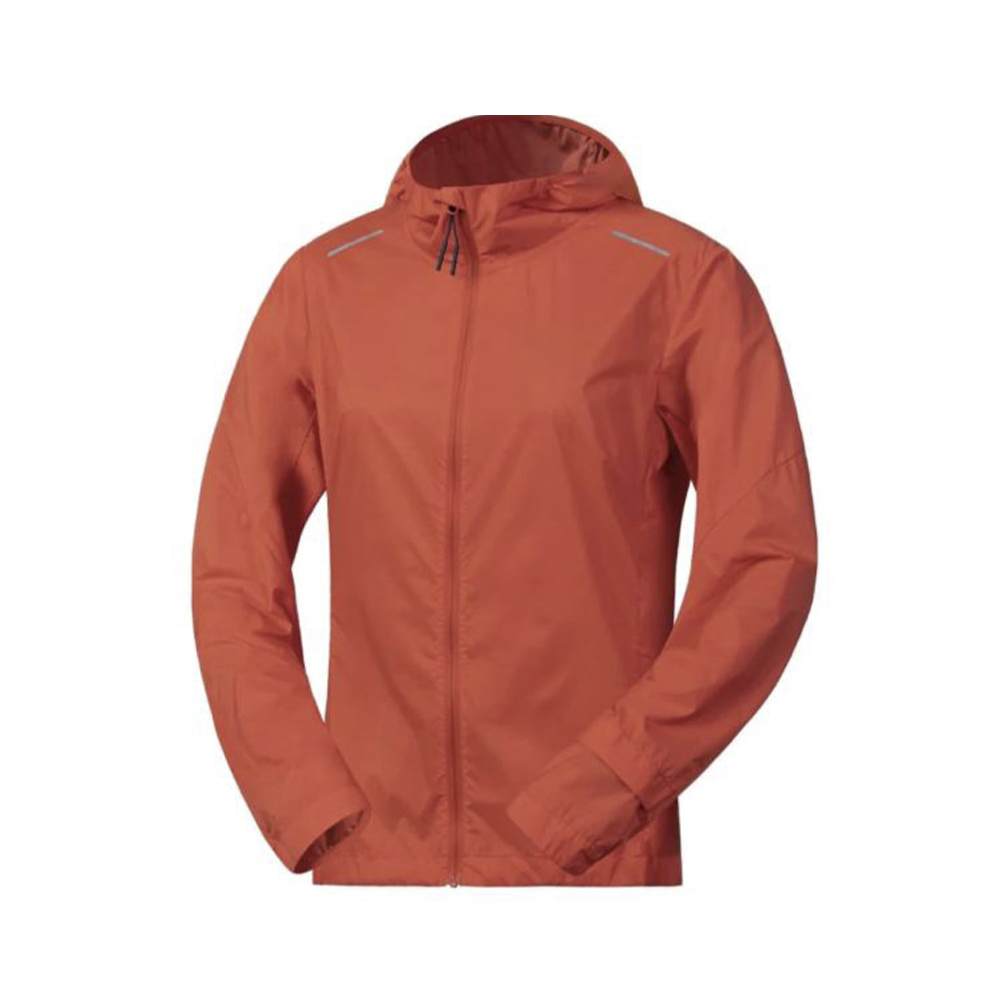
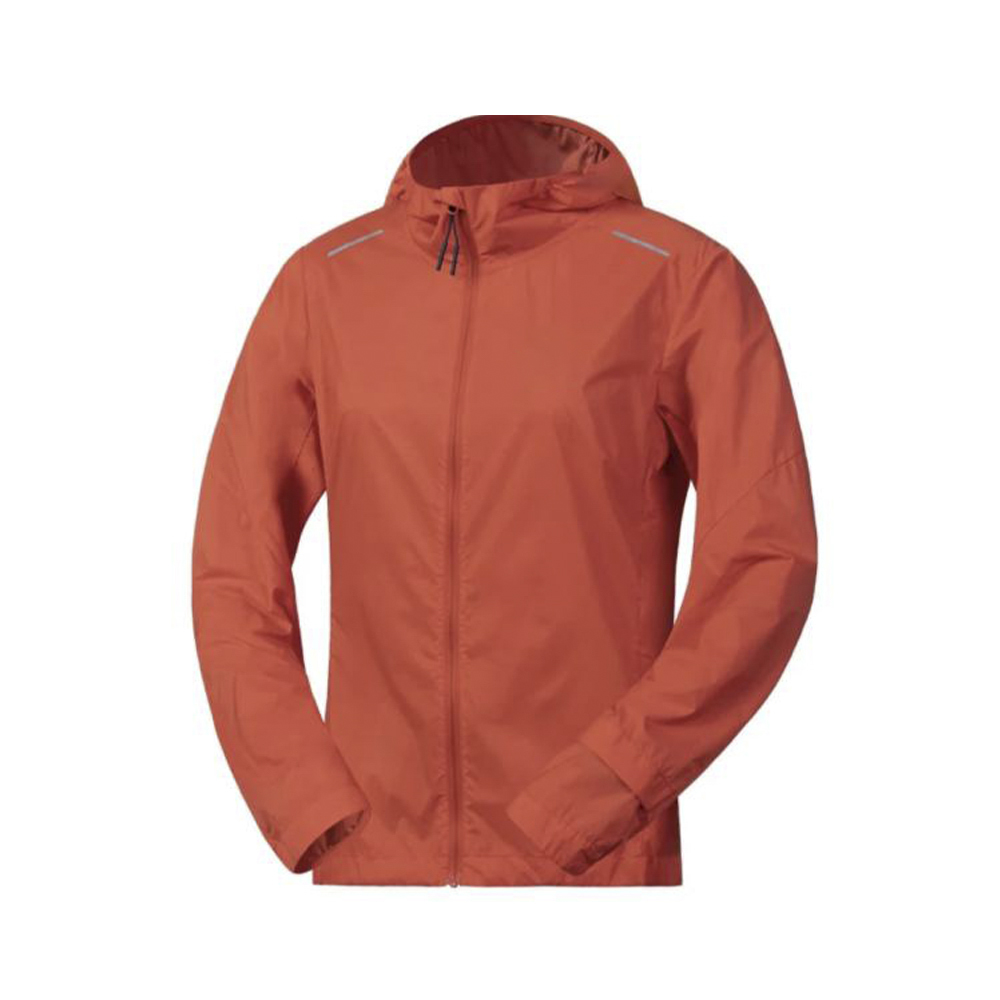 Men's UPF100+ Packaway Multifunction Outdoor JacketA lightweight softshell jacket with UPF100+ fabric, full zip, stand collar, concealed pockets, and packaway bag, offered in sizes S–4XL for custom outdoor builds.View Product →
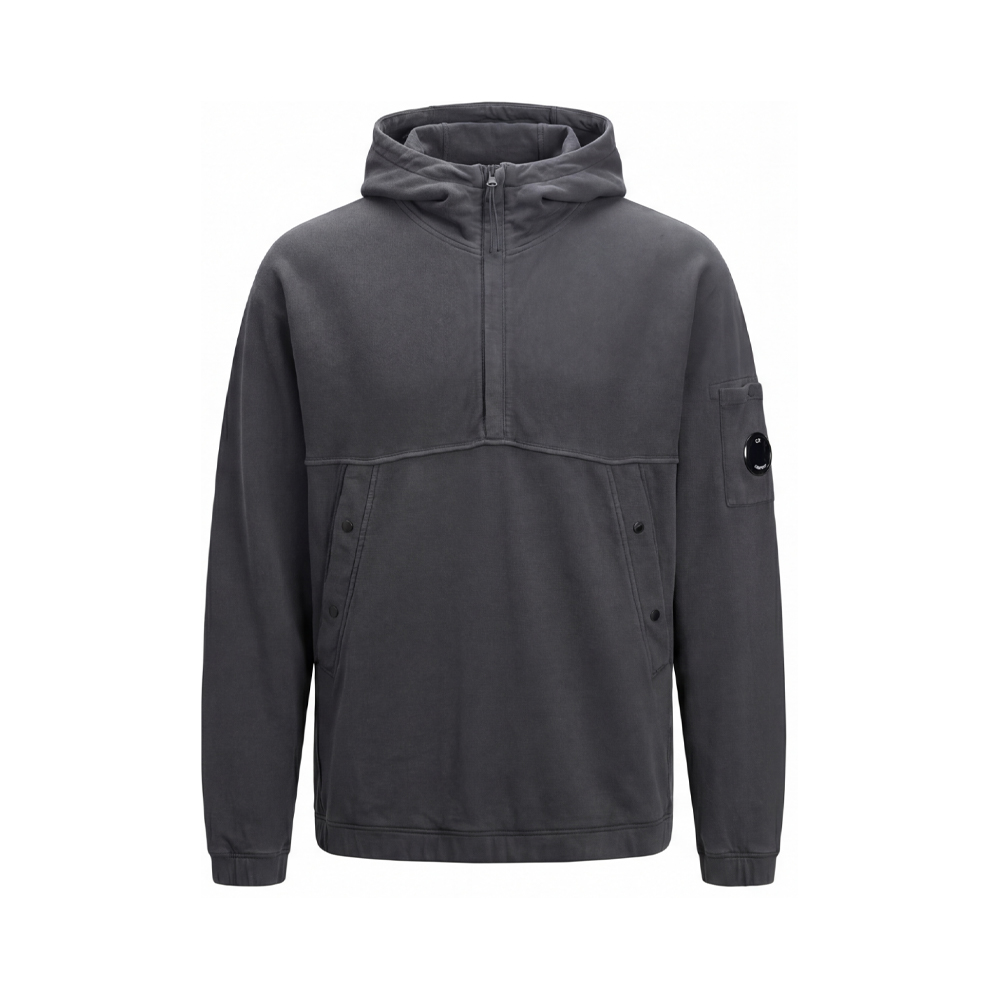 Men's Garment-Washed Half-Zip Hoodie ShirtA relaxed half-zip hoodie in a rayon, recycled yarn, cotton and spandex blend with moisture-wicking stretch, zippered pockets, and garment-washed softness in dark grey.View Product →
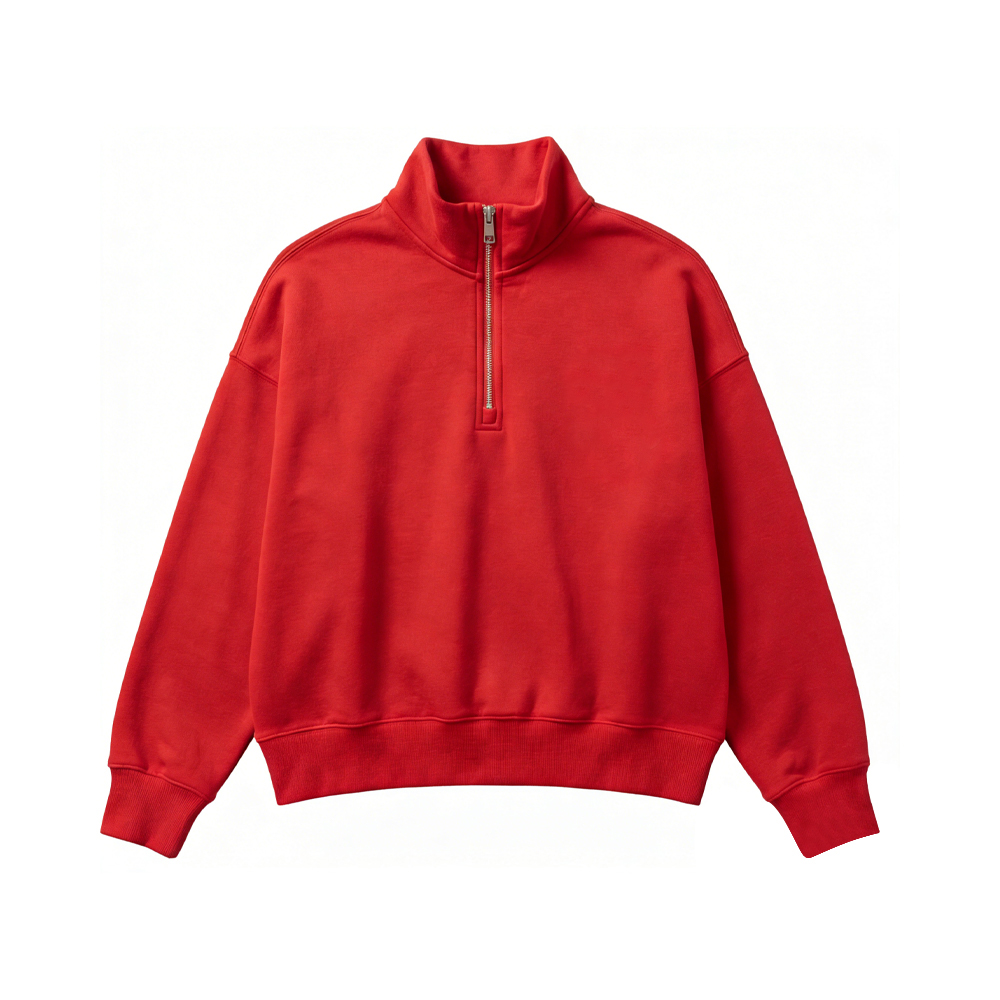 Women's Sustainable Half-Zip Polo SweatshirtA recycled-fiber half-zip sweatshirt with stand collar, rabbit patch, relaxed cropped fit, and breathable stretch, offered in red for campus and casual layering.View Product →
Questions Buyers Ask About Bespoke Manufacturing
What is the minimum order for bespoke apparel?
For true custom fabric the floor is usually set by the mill, not the factory: 300 to 800 metres per colour, which lands around 800 to 1,500 garments depending on consumption. Below that, most suppliers will offer stock fabric, a near-match colour, or a modified block instead.
How long does a bespoke order take from first sample to delivery?
Plan on 12 to 16 weeks in total. That covers two to three sampling rounds at 7 to 12 days each, lab dip approval, and 45 to 75 days of bulk production. Programmes with placement print, embroidery and garment wash sit at the upper end.
Can a manufacturer work from my tech pack alone?
Yes, provided the tech pack includes graded measurements, construction details, fabric specification with a tolerance range, and artwork files with print placement marked on the pattern piece. Tech packs missing shrinkage allowance or stitch type are the most common cause of a rejected first sample.
What should I send with a first enquiry?
Send your tech pack, target quantity per colourway, the retail delivery date, and any reference garments you can spare. Those four items let a factory quote realistically instead of quoting low and correcting later.