English
 中文简体
中文简体
 Français
 Español
Content
Leisure wear is no longer an afterthought in apparel buying. Seasonal programs that used to lead with denim and woven shirts now include hoodies, track jackets, knit joggers, and homewear sets that must feel soft, fit consistently, and survive frequent washing. Consumers expect the same garment to work at home, on a neighborhood walk, and during a casual video call, which pushes brands to test leisure wear more strictly than before. That shift has changed how buyers evaluate factories: the order goes to the supplier that can prove comfort, durability, and quality control in measurable terms.
This guide covers what leisure wear actually includes, how it differs from casual wear and athleisure, and what to verify before placing a production order with a leisure wear manufacturer.
What Leisure Wear Actually Covers
Leisure wear is clothing designed around comfort, typically worn at home, during rest, or in relaxed everyday settings. Unlike performance wear, it does not need to manage sweat during intense exercise. Unlike formal wear, it does not require structured tailoring. In a sourcing context, the category usually includes several product families:
- Loungewear and homewear: pajama sets, fleece suits, and soft two-piece sets worn indoors
- Casual knit tops: crew-neck tees, hoodies, long-sleeve shirts, and collarless cardigans
- Relaxed bottoms: knit joggers, wide-leg pants, and elastic-waist shorts
- Light outer layers: track jackets, zip-up hoodies, and loose beach shirts
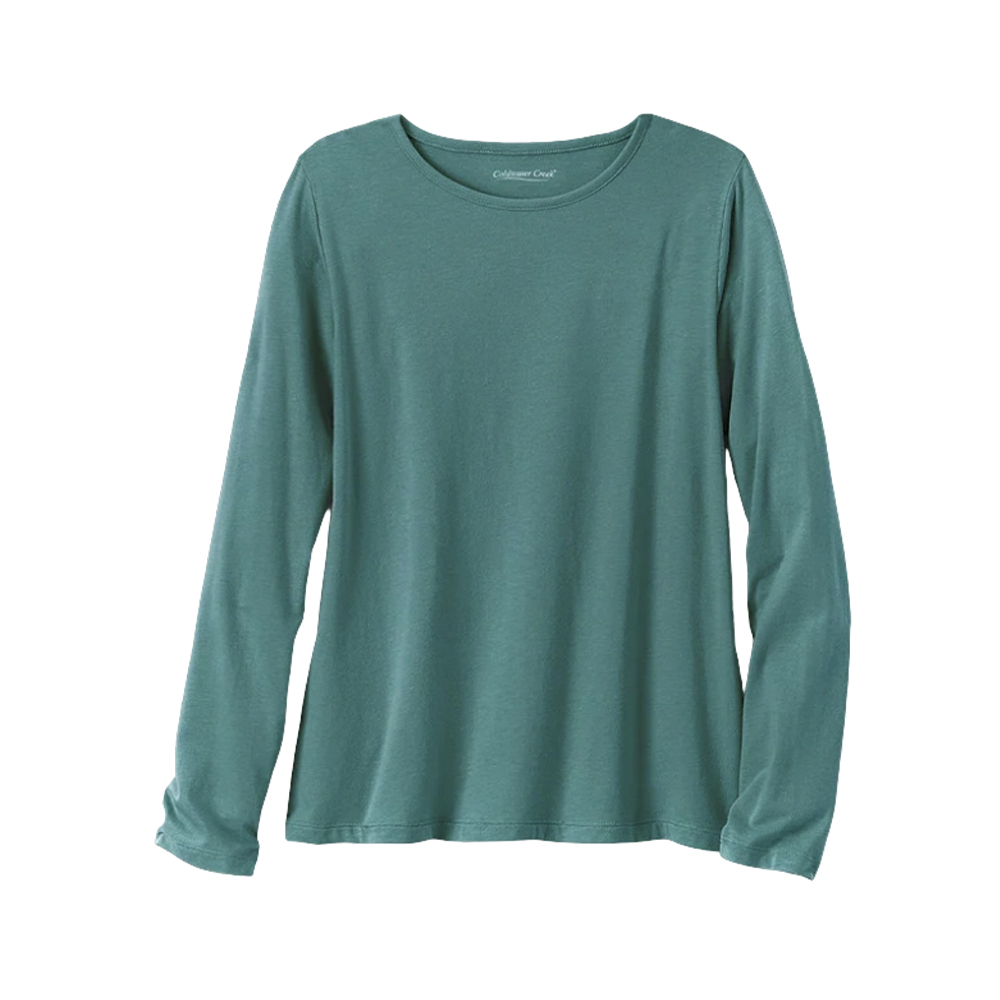
The common thread is fabric behavior. Leisure wear must feel soft against the skin, breathe during light movement, and keep its shape through repeated washing. A women's long sleeve leisure crew neck tee is a typical example: the product's appeal relies on the drape and hand feel of the jersey, not on complicated construction.
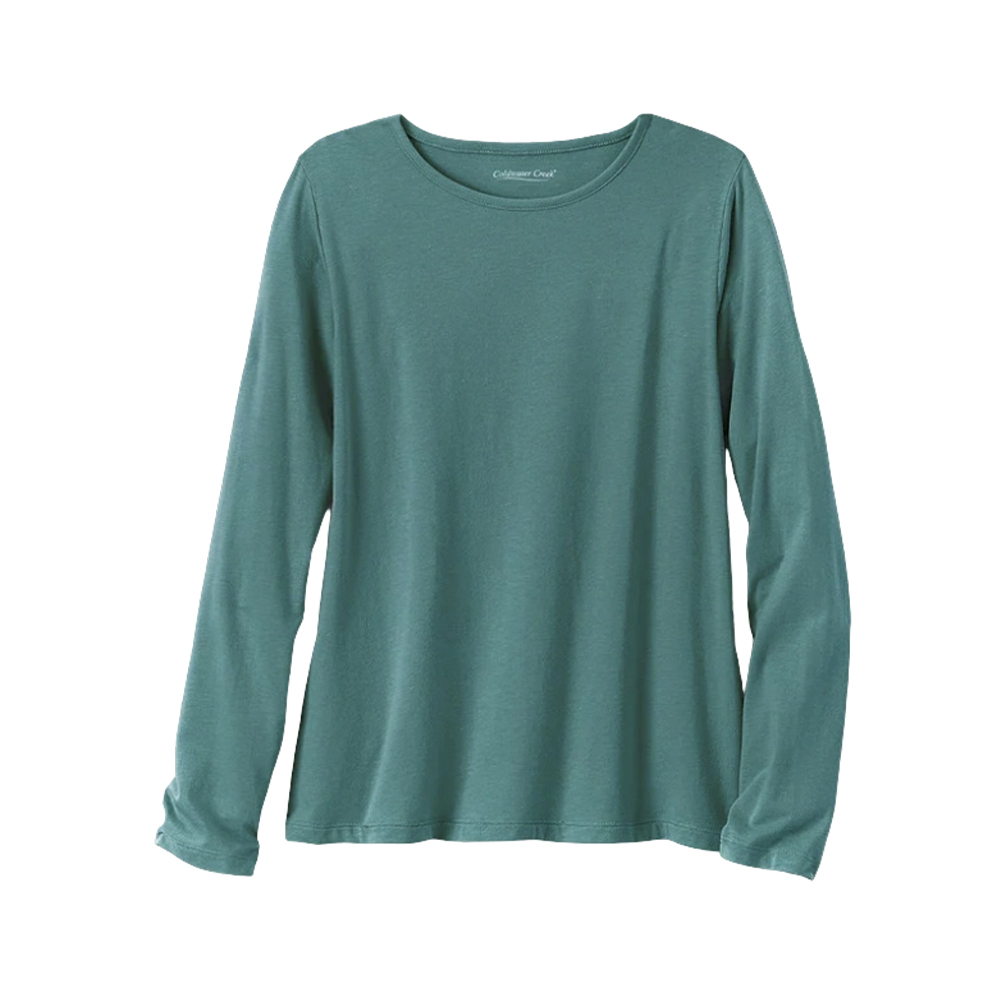 Custom Women's Long Sleeve Leisure Comfortable Crueneck Tee Suppliers, Factory, Tianyun is Custom Women's Long Sleeve Leisure Comfortable Crueneck Tee Suppliers and Manufacturers in China, Factory offer Custom Women's...View Product →
Leisure Wear vs. Casual Wear vs. Athleisure
Buyers often use these terms interchangeably, but they point to different consumer needs and different manufacturing requirements. A clear comparison helps you brief a factory without ambiguity.
| Aspect | Leisure Wear | Casual Wear | Athleisure |
|---|---|---|---|
| Primary intent | Comfort for rest and low-key days | Presentable everyday social wear | Styled activity-ready clothing |
| Typical fabrics | Cotton jersey, fleece, flannel, modal blends | Woven cotton, twill, denim, oxford cloth | Stretch knits, nylon, moisture-wicking synthetics |
| Common items | Homewear sets, hoodies, soft tees, knit pants | Button shirts, chinos, polos, knit tops | Leggings, sports jackets, training tops, bike shorts |
| Fit philosophy | Relaxed, generous, non-restrictive | Tailored but comfortable | Form-fitting with stretch recovery |
| Performance requirements | Softness, warmth, wash durability | Shape retention, wrinkle resistance | Sweat management, elasticity, quick drying |
Three takeaways matter for sourcing decisions. First, leisure wear has lower performance requirements than athleisure, so specifying unnecessary performance features will raise costs without adding consumer value. Second, casual wear leans on woven fabrics and structured fits, which require different production equipment than knit leisure wear. Third, many programs now blend these categories, so a supplier with both knit and woven capabilities has a practical advantage at the sampling stage. If your plan includes both a brushed fleece hoodie and a woven beach shirt, ask whether the factory can manage both fabrics under one quality system, or whether you will need to split the order across two suppliers.
What Buyers Should Verify Before Sourcing Leisure Wear
Comfort is subjective, but the qualities that create it are measurable. Before committing to bulk production, verify the following points with your factory.
Fabric Weight and Composition
Fabric weight directly affects drape and durability. For leisure tops and hoodies, 180 to 240 GSM jersey or French terry is common; brushed fleece for colder seasons usually falls between 280 and 320 GSM. A sample garment that looks great in a showroom can pill or sag after a few washes if the fiber blend is heavy on short-staple polyester or low in cotton. Request the full fiber composition, including any elastane content, and run a wash test against the laundry conditions of your target market.
Dimensional Stability and Fit Consistency
Leisure wear is washed more frequently than occasion wear, so shrinkage control is critical. A 5 percent shrinkage on an oversized hoodie may go unnoticed, but on a fitted tee it changes the whole silhouette. Established factories use pre-shrunk fabrics or garment wash processes to stabilize dimensions. Ask for shrinkage data after three wash cycles at 30 and 40 degrees Celsius, and confirm that the factory's tolerance matches your spec. A plus or minus 3 percent baseline is a common starting point.
Color Consistency Across Dye Lots
Leisure wear programs often repeat colors across styles, so lot-to-lot color consistency is essential. If a hoodie and a homewear pant come from different dye batches, the mismatch will be visible when a customer wears them together. Ask the factory how it tracks dye lots, and confirm that bleaching, garment washing, and softening treatments do not drift between production runs.
Trim, Ribbing, and Finishing Quality
Ribbed cuffs, drawcords, and waistbands reveal construction quality faster than any other detail. Check whether ribbing recovers after stretching, whether drawcords are securely anchored, and whether seams stay straight across all sizes. For brushed-back fleece, confirm that brushing is even and that garment dyeing or washing does not produce patchy color.
Why Factory Structure Affects Your Leisure Wear Program
Leisure wear is a fabric-driven category, and vertical integration provides a decisive advantage. If the same company handles knitting, dyeing, finishing, and sewing, fabric properties can be adjusted early in the development process instead of being negotiated with an outside mill after the order is placed. That control shortens lead times and makes quality issues easier to trace.
This is why vertical integration defines a reliable leisurewear factory. When a single team controls fabric and garment production under one roof, buyers get faster sampling cycles, more realistic cost quotes, and fewer surprises during bulk production. For a seasonal program with multiple styles, colors, and size sets, this traceability is often worth more than a lower piece price from a fragmented supply chain.
Factory structure also affects capacity. An order of 50,000 pieces across ten colors requires stable fabric supply and enough sewing lines to hold the delivery date. Confirm how many production lines are available, what percentage of capacity is already committed to similar knit programs, and whether the factory has backup suppliers for dyed fabric in case of delays. For context, a mid-to-large knit apparel factory typically runs between 20 and 50 production lines, and an annual output of 10 to 20 million pieces is considered substantial for leisure wear.
Geographic flexibility is another dimension. Some buyers split production between a headquarters plant and an overseas facility to balance cost, capacity, and proximity to end markets. A supplier with manufacturing in more than one country can offer that flexibility without forcing the buyer to qualify a second factory from scratch.
Trends Shaping Leisure Wear Procurement
Sustainable Materials Are Moving from Optional to Expected
Buyers in Europe and North America increasingly ask for organic cotton, recycled polyester, and other renewable inputs in leisure wear programs. Organic cotton matters most for garments that stay in contact with the skin for long hours, which is exactly what leisure wear does. These materials carry a price premium, but the increase is manageable when the program is stable and volumes are predictable. For more detail, see how renewable materials are entering apparel supply chains.
Multi-Context Pieces Are Replacing Single-Use Loungewear
Consumers want pieces that work at home and in public. A men's daily leisure short sleeve button shirt can carry someone from a morning walk to a casual office day without looking out of place. For buyers, this means selecting fabrics that are soft enough for comfort but structured enough to hold a clean shape, and checking how a garment behaves after sitting in a suitcase or a drawer.
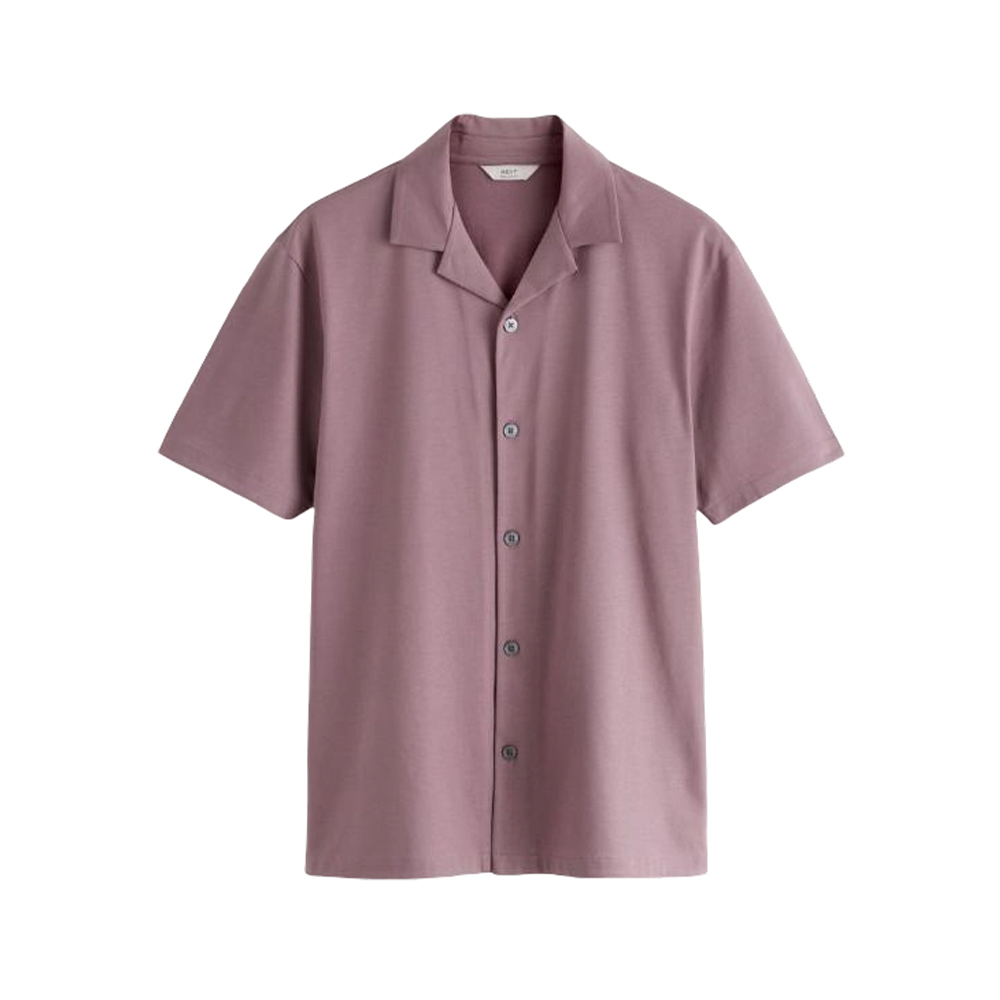 Custom Men's Daily Leisure Short Sleeve Button Shirt Suppliers, Factory, ManufacTianyun is Custom Men's Daily Leisure Short Sleeve Button Shirt Suppliers and Manufacturers in China, Factory offer Custom Men's Daily Le...View Product →
Homewear Is Being Held to a Higher Standard
Homewear used to be a simple, low-risk category. That has changed as brands compete on color, texture, and finish. A women's flannel cotton homewear suit now needs consistent brushing, neat placket stitching, and dyes that hold up to frequent washing. Buyers who get these details right build customer loyalty in a category with frequent repurchase cycles.
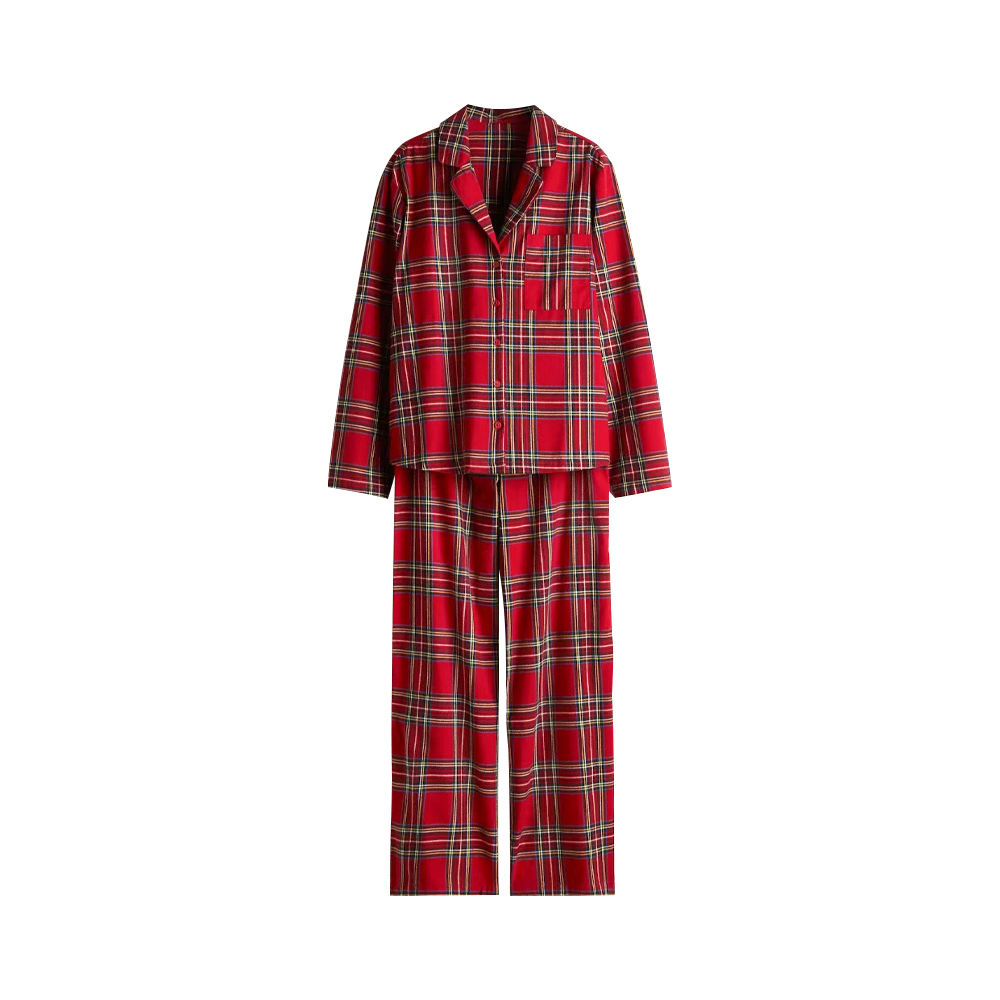 Women's Flannel Cotton Pajama Set Suppliers, Factory, ManufacturersTianyun International Trade is Custom Women's Flannel Cotton Pajama Set Manufacturers and Factory, Women's Flannel Cotton Homewear Suit S...View Product →
Leisure wear is a category where a buyer's reputation depends on details that are easy to miss in a sample photo: fabric hand feel, shrinkage behavior, and the factory's ability to reproduce the same quality across 10,000 pieces. Define the product semantics clearly, verify the measurable properties, and select a factory whose manufacturing structure supports the promises you make to your customers. When comfort is treated as an engineering problem rather than a vague concept, the results show up in fewer returns, better sell-through, and repeat orders.