English
 中文简体
中文简体
 Français
 Español
Content
Sport fashion clothes have evolved far beyond the gym. A well-designed piece should support a workout, survive repeated washing, and still look like a deliberate fashion choice when worn for coffee, travel, or work-from-home days. For brands and retail buyers, that dual purpose creates a practical sourcing challenge: how to select garments that meet performance expectations while also matching the style, fit, and price point customers expect. The decision affects returns, brand reputation, and repeat orders. That is why it helps to look at sport fashion through the same lens you would apply to any engineered product: fabric, construction, and supplier capability.
What Sport Fashion Clothes Are
Sport fashion, sometimes called athleisure, sits between performance sportswear and casual streetwear. Typical pieces include hoodies, tracksuits, leggings, sweatshirts, shorts, and lightweight jackets that borrow technical materials from activewear but use styling that suits everyday life. The key difference from generic sportswear is intent: sport fashion clothes are bought as much for how they look as for how they perform.
The category can also be split by activity. Yoga apparel demands high stretch and opacity; running pieces need lightweight, quick-dry fabrics; general leisure styles prioritize softness and ease of movement. Each use case changes the specifications a buyer should set in the development brief.
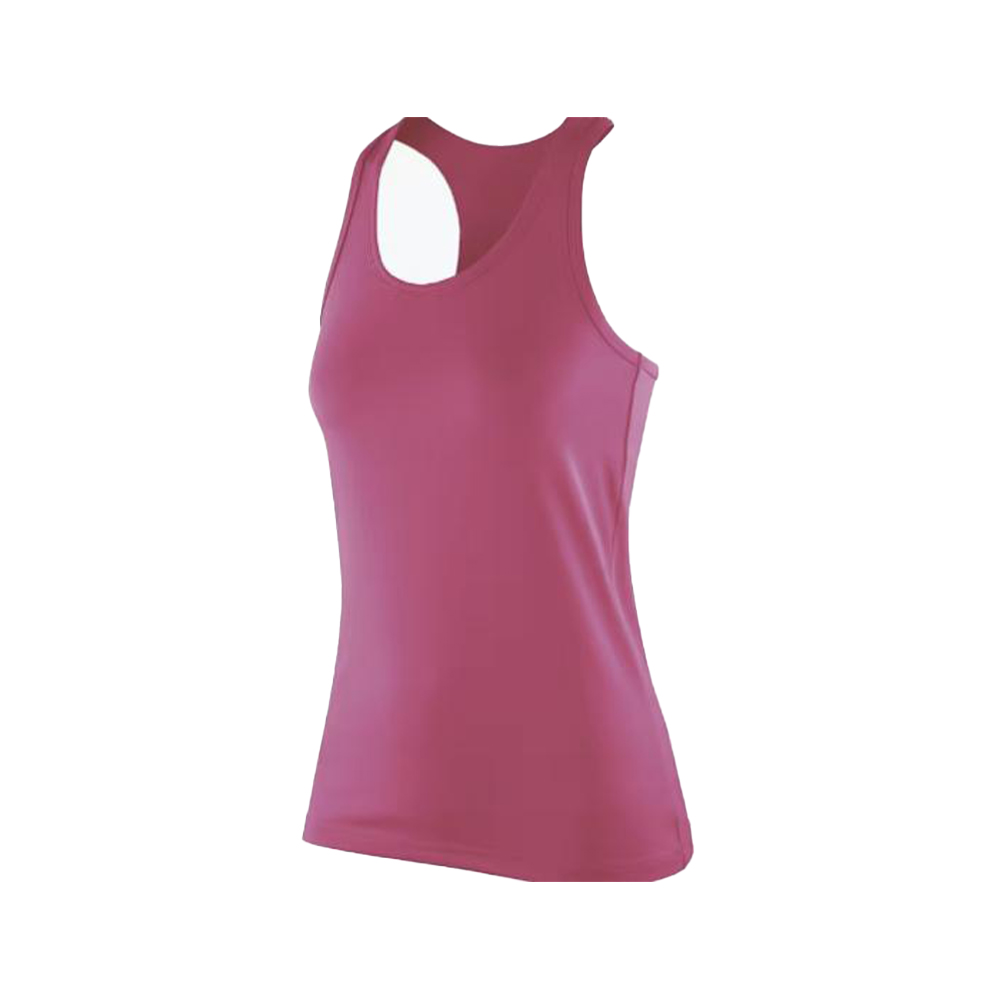
Fabric hand feel, silhouette, and color consistency matter just as much as moisture wicking or stretch. A ribbed yoga vest top is a good example of this balance: it provides stretch and fit while keeping a clean, modern shape that works both in class and as a streetwear layer.
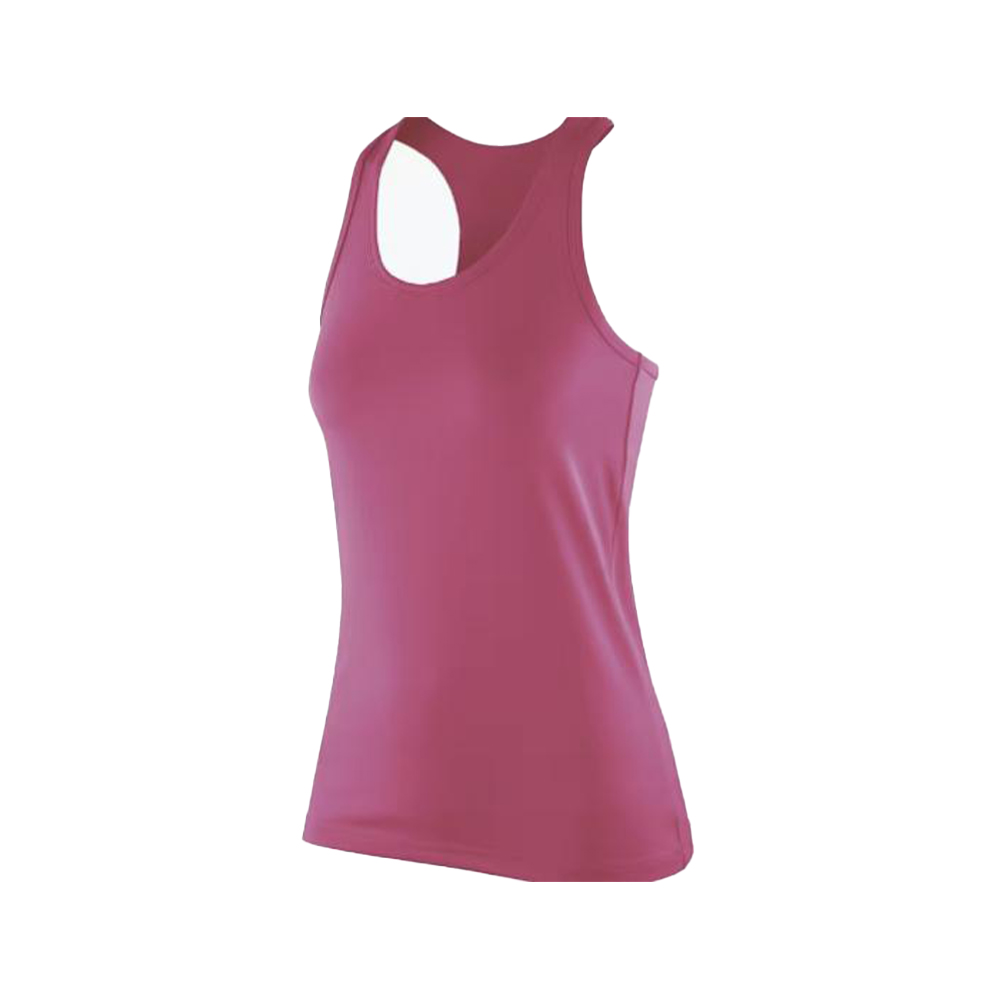 Custom Women's Fashion Sport Active Yoga Vest Top Rib Tank Suppliers, Factory, MTianyun is Custom Women's Fashion Sport Active Yoga Vest Top Rib Tank Suppliers and Manufacturers in China, Factory offer Custom Women's ...View Product →
Fabric and Function: What to Check First
Fabric is the foundation of any sport fashion garment. Buyers often start with weight and stretch, but long-term satisfaction depends on how the material behaves after multiple washing cycles, how quickly it dries, and whether it holds its shape during movement. A simple touch test tells you less than a controlled wash test with the finished garment.
| Fabric | Common Use | Strengths | Watch Out For |
|---|---|---|---|
| Polyester | Quick-dry shorts, training jackets, tops | Lightweight, dries fast, holds color well | Can feel less breathable if not engineered with moisture-wicking finishes |
| Nylon | Leggings, outerwear, performance skirts | Durable, smooth surface, excellent stretch recovery | Can be heavier and slower to dry than polyester |
| Cotton | Hoodies, sweatshirts, relaxed tees | Soft, natural feel, easy to print and finish | Retains moisture, so it is less suited for intense training |
| Elastane/Spandex | Stretch blends across sport fashion | Adds flexibility and helps garments keep their shape | Degrades when washed with high heat or harsh chemicals |
For performance-oriented designs, quick-dry technology is often a core requirement. Before mass production, it is worth testing a batch of fast-dry sport shorts to confirm drying time, stitch behavior, and trim quality under real use conditions. The test should include at least three washes, because that is when most construction issues become visible.
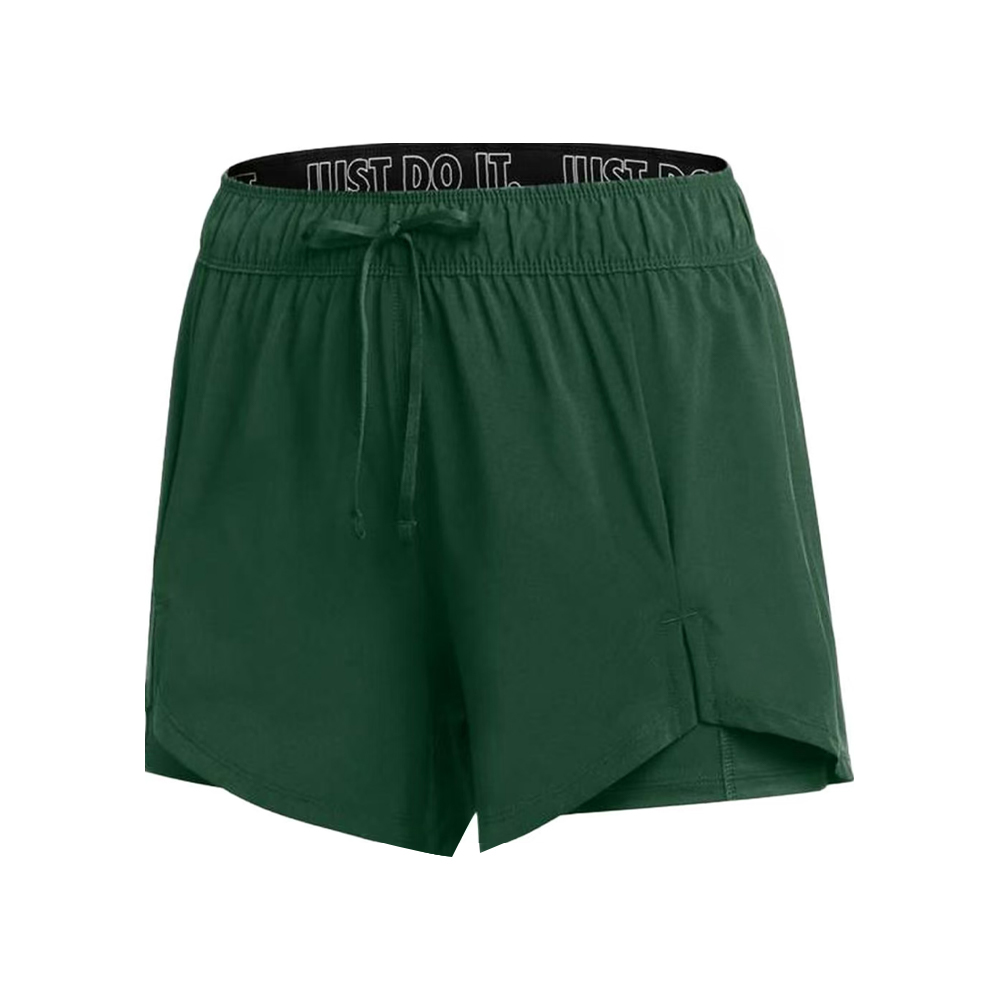 Women's Fast Dry Sport Shorts Company, SuppliersTianyun International Trade is Women's Fast Dry Sport Shorts Company, Women's Fast Dry Sport Shorts Suppliers and Factory in China, Custo...View Product →
Buyers should also ask about sustainable options. Recycled polyester, organic cotton, and low-impact dyes are increasingly common in sport fashion, and they can be incorporated without weakening performance if the supplier has experience with those materials.
Fit, Stitching and Quality Control
Once the fabric is right, fit and construction determine whether customers come back. Sport fashion clothes demand more from seams than basic fashion garments. High-movement areas such as shoulders, hips, and thighs need stretchable seams or flatlock stitching to prevent pulling and chafing.
Consistent sizing is another challenge. A medium in one production batch may fit slightly differently from a medium in the next batch if the factory does not control cutting and sewing tolerances carefully. When sampling, ask for the same garment in multiple sizes and check measurements across the entire size run, not just one sample.
In our experience, orders fail more often because of faded prints, shrunk lengths, or twisted seams than because of the raw fabric. A manufacturer with in-house washing and finishing is in a stronger position to spot and correct these issues before shipment. This is especially relevant for garment-washed pieces, where the wash itself changes the hand feel and size.
For bulk orders, a factory running hanging production lines can maintain smoother workflow and consistent quality across high volumes. That kind of setup also shortens the time between sample approval and bulk delivery, which is valuable when a collection is tied to a launch date.
Pre-production meetings are also valuable. A clear spec sheet with seam types, stitch density, measurement tolerances, and washing instructions prevents most misunderstandings before cutting starts. Insist on seeing the same garment after washing and after pressing, because pressing can change the final dimensions.
Sourcing and Manufacturing Considerations
Sport fashion clothes are technical products, and sourcing from a partner with control over the full production chain reduces risk. When a factory handles knitting, dyeing, printing, embroidery, and garment washing in-house, communication is faster and quality deviations are easier to trace.
Take leggings as an example. A yoga high-waist legging is a demanding product: the fabric must offer compression without turning sheer, the waistband must stay flat during movement, and the seams must survive intense stretching. These requirements are easier to manage when the same team controls both the fabric's stretch recovery and the sewing specifications.
Capacity and geographic flexibility also matter. A supplier with production in China and Vietnam can be more responsive to seasonal spikes and price adjustments. At Jiangyin Tianyun, our own facilities in Jiangyin and Vietnam support orders from development through bulk production, which is why buyers working with us tend to treat sport fashion as a long-term program rather than a one-off purchase.
OEM and ODM support adds another layer of flexibility. OEM buyers bring their own patterns and specifications; ODM buyers expect help with design, fabric selection, and sampling. A factory that can do both is better positioned for brands at different stages of growth.
For buyers who are new to the category, starting with a small mixed batch is a sensible way to test the factory's communication, sampling speed, and delivery accuracy before committing to a larger order. This is a common pattern in sport fashion sourcing, where styles change quickly and being agile matters more than sheer volume.
How to Choose a Sport Fashion Manufacturer
The right supplier should be judged on process, not promises. Here are the steps we recommend when evaluating a factory for sport fashion clothes:
- Request a detailed development sample and compare it with the bulk sample during production.
- Test fabric properties: drying time, stretch recovery, pilling resistance, and colorfastness.
- Review fit measurements across a full size set, not just a single model.
- Ask how the factory handles unexpected delays, especially when trims or fabric need to be reordered.
- Confirm whether the supplier offers OEM and ODM support, or only standard catalog production.
It is also worth discussing lead times and payment terms early. A transparent supplier will share production calendars and flag risks before they become delays. For a deeper look at what to test on quick-dry garments, see our quick-dry sport fashion verification guide. If you are still mapping out your product range, our sport fashion collection gives a practical sense of the categories a full-production partner can handle.
A reliable sport fashion manufacturer will not simply accept your specification; they will question it, suggest improvements, and show you why a different seam or a slightly higher spandex ratio could make the product stronger. That level of engagement is often the difference between a smooth production run and a delayed one.
Sport fashion clothes are not a single product category. They are a balance between movement, finish, and visual detail. The fabrics must perform, the seams must hold, and the fit must reflect the brand's own identity. For buyers, the best protection is to work with a manufacturer that can control the entire process, from fabric development to final wash, and that can prove consistency through samples and production data. When those elements are in place, a sport fashion line can grow from a simple order into a reliable part of a brand's annual range.