English
 中文简体
中文简体
 Français
 Español
Content
Fast fashion grew on a simple formula: more styles, faster turns, lower prices. Slow fashion starts from a different question: what if clothing were made to last? For apparel brands and buyers, the shift is not just a consumer tag. It is a sourcing framework that reduces inventory risk, improves quality, and supports a more stable supply chain. The choice is no longer between trend and margin. A well-executed slow fashion strategy can serve both.
What Slow Fashion Actually Means
Slow fashion is often described as the opposite of fast fashion, but that definition is too thin. In practice, it means designing for longevity, selecting materials that can be repaired or recycled, and planning production quantities that do not end up in landfill. It also means treating the factory as a partner in quality rather than a vendor of capacity.
Here are the core characteristics buyers should recognize:
- Durability over novelty: seams, zippers, and fabrics are specified to survive years of normal use.
- Traceable raw materials: cotton, wool, and synthetics come from sources that can be documented.
- Ethical labor conditions: workers are paid fairly and production hours are controlled.
- Low-waste production: cutting plans, fabric leftovers, and defective pieces are actively managed.
- Classic design: silhouettes and colors remain wearable beyond a single season.
Treating slow fashion as a fuzzy ideal makes it unmanageable. Buyers need measurable criteria so they can set specifications, inspect production, and track performance over time.
Why Slow Fashion Matters for Apparel Buyers
Buyers do not adopt slow fashion solely because consumers ask for it. The operational reasons are just as strong.
First, inventory risk falls. Smaller batches and longer product life mean less dead stock and fewer markdowns. Second, quality problems decrease. A factory that builds garments to last catches defects earlier through wash tests and construction checks. Third, brand credibility improves. Traceability protects you when a supply chain incident occurs, because you can show exactly where the garment was made and from which materials.
These are not abstract benefits. Moving from large seasonal orders to smaller, well-planned collections often lowers the total cost per unit sold, even if the unit price at the factory is higher. The total cost of a garment includes markdowns, returns, and the reputational cost of a product that falls apart. Slow fashion shifts the equation toward value per wear, which is a more useful metric for a responsible sourcing team.
What a Slow Fashion Manufacturer Should Deliver
To meet these expectations, a manufacturer must go beyond sewing and packing. It should be able to show you what is in the fabric, how the garment will behave after repeated washes, and whether it can adjust batch sizes without disrupting quality.
Durable Materials That Keep Their Value
Fabric choice is the first durability factor. Organic cotton, for example, can be grown without synthetic pesticides and, when knit properly, produces a soft but resilient garment. A wide-leg pant made from organic cotton gives buyers a classic piece that moves easily from work to weekend. Our organic cotton floral wide-leg pants are one example of how seasonal style can be made from a longer-lasting fiber.
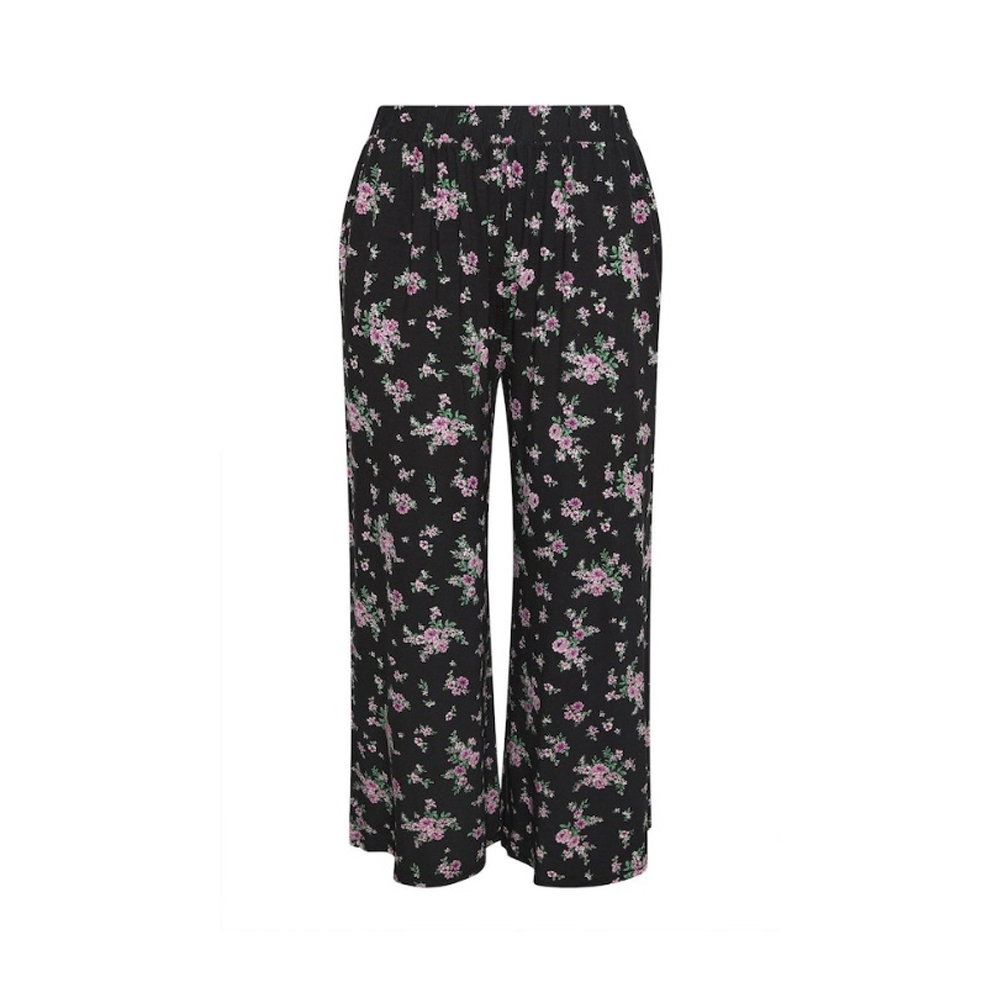 Women's Organic Cotton Floral Wide-Leg PantsThis GOTS-certified organic cotton wide-leg pant offers a breathable, durable floral design that moves from work to weekend, supporting a longer-lasting wardrobe.View Product →
Classic Styles That Extend Product Life
The best slow fashion pieces are not trend-driven. They keep the same function and fit for years. A sustainable long-sleeve polo shirt, for instance, works across casual and uniform settings while using a fiber and finish designed for repeated laundering. Buyers who choose such pieces can carry them through multiple seasons without forcing consumers to replace them.
 Baby Organic Cotton Printing Grow SuitMade from certified organic cotton with a full two-way zip and reinforced seams, this grow suit withstands repeated washing and can be passed down, embracing slow fashion.View Product →
Children's Wear That Can Be Passed Down
Children's clothing faces an even shorter lifecycle because of growth, but durable construction and clean materials can extend usefulness beyond one child. An organic cotton grow suit with reinforced seams and easy-care knit can be handed down to a younger sibling. That is slow fashion applied where it matters most.
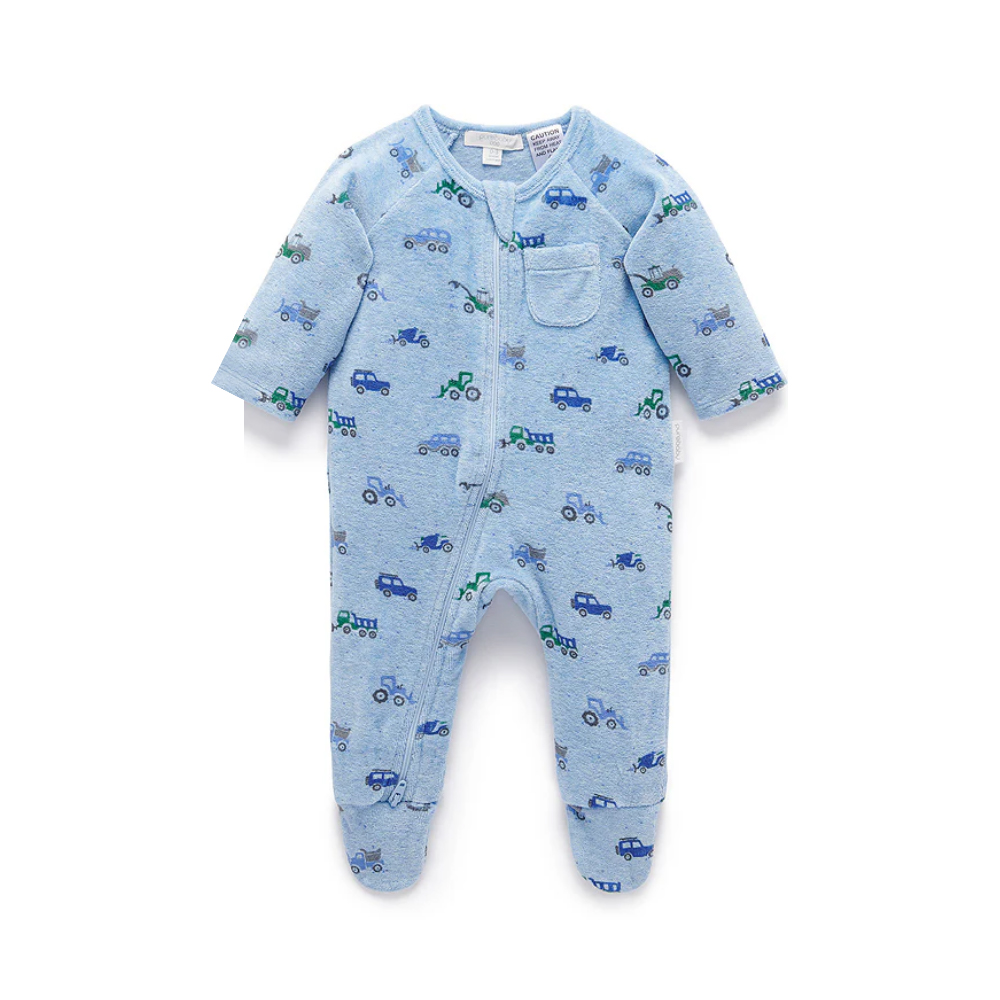 Baby Organic Cotton Printing Grow SuitThis organic growsuit wraps them in buttery softness and playful charm, making it an essential for everyday wear. Made from 100% certified organic cotton, the fabric i...View Product →
Batch Flexibility for Smaller Runs
Most factories are built around large production runs, but slow fashion demands smaller, more frequent orders. Modular production lines can be reconfigured quickly for different styles. A factory running 30 hanging lines can allocate a few lines to a new style without slowing down major programs. That flexibility allows buyers to test a design with a small first order and reorder based on real sell-through data.
Traceability Through Vertical Integration
Traceability becomes much easier when dyeing, printing, embroidery, and washing happen under one roof. Instead of chasing multiple subcontractors for a single garment, a buyer can observe the whole process in one facility. That shortens lead times and reduces the risk of hidden material substitution. The logic is explained in more detail in our post on why vertical integration defines a reliable leisurewear factory.
With vertical integration, the factory can also produce smaller lots of knit fabric and process them in the same plant, which is a practical requirement for slow fashion replenishment.
Low-Waste Cutting and Finishing
Fabric cutting creates unavoidable waste, but the amount depends on pattern nesting and operator training. A vertically integrated factory can capture fabric offcuts, reuse them in sampling, and manage dyeing water treatment on site. These practices reduce both environmental load and production cost variance, making them relevant to buyers who need consistent quality at a stable price.
How to Evaluate a Factory for Slow Fashion Alignment
Not every factory that calls itself sustainable can meet slow fashion requirements. Use the checklist below to assess real capabilities.
| Evaluation area | Why it matters | What to verify |
|---|---|---|
| Material certification | Confirms fiber origin and environmental claims | GOTS, OCS, or equivalent certificates |
| Wear testing | Ensures durability beyond the first wash | Wash test reports, burst strength data |
| Batch flexibility | Supports small production runs without cost spikes | Minimum order quantity and line allocation process |
| Waste handling | Measures environmental impact of production | Waste sortation records, recycling partners |
| Social compliance | Protects brand reputation and worker welfare | SA8000 or BSCI audit reports, payroll records |
The table is a starting point. Ask for evidence, not just policies. If the factory cannot provide certificates or wash data on request, treat that as a red flag. Slow fashion requires proof that materials, labor, and processes are controlled.
Practical Sourcing Steps
Here is a straightforward path to bring slow fashion principles into your next collection:
- Define your durability standard, for example the number of home launderings before color fading or shrinkage exceeds your tolerance.
- Choose certified natural or recycled materials and avoid blends that complicate future recycling.
- Plan smaller, more frequent collections instead of one large seasonal order.
- Ask the factory for sample wash tests and independent inspection reports.
- Build long-term partnerships with a factory that openly publishes its manufacturing process.
These steps will feel unfamiliar for teams used to large orders. But each step builds a buffer against the waste and quality problems that fast fashion created.
Slow fashion does not mean returning to handcrafted niche products only. An industrial manufacturer with strong vertical integration can deliver timeless, durable, lower-impact garments at commercial scale. For buyers, the practical question is not whether slow fashion is a good idea, but whether your factory can support it. Examine materials, test durability, verify traceability, and agree on smaller batches. That is how slow fashion becomes a sourcing strategy rather than a slogan.
If you are evaluating suppliers, start by looking at our product range to see how durability and sustainability are handled in factory samples.