English
 中文简体
中文简体
 Français
 Español
Content
Turn over a Patagonia fleece and read the care label. The odds are good it says "Made in Vietnam." Some pieces read Sri Lanka, China, Thailand, or one of more than a dozen other countries — very few read USA. That single line of text summarizes how the brand actually operates: Patagonia designs and tests its clothing in Ventura, California, but sews most of it through roughly 60 independently owned contract factories across 16 countries, with Vietnam and Sri Lanka carrying the largest share. Only a handful of specialty items, such as fishing crampons, are still made in Ventura, just a short drive from company headquarters.
Where Patagonia Production Actually Happens
The company is unusually open about this footprint. It publishes the names of its factories, farms, and material mills online, so anyone can see sewing partners such as Shinwon Ebenezer Hanoi and Quang Viet (Long An) in Vietnam listed alongside material suppliers like Kingwhale Industries. Analyses of that list put the count at around 61 qualified factories, of which only two are in the United States. Vietnam and Sri Lanka produce the bulk of finished garments, with China close behind — a detail that still surprises shoppers in online forums, and one that says more about global capability than about any single brand's preference.
The pattern is deliberate: each product category goes to whichever region holds the deepest, most proven capability for it.
| Country | Role in production | Typical categories | Why capacity clusters there |
|---|---|---|---|
| Vietnam | Largest share of finished garments | Shell jackets, down pieces, fleece | Two decades of outerwear specialization, including seam-sealed waterproof construction |
| Sri Lanka | Major share | Performance knits, base layers | Skilled finishing workforce and mature compliance programs |
| China | Significant share | Knit tops, trims, specialty fabrics | Dense mill and trim networks within short distances |
| United States | Minimal, about two factories | Niche specialty gear | Proximity to Ventura headquarters for low-volume work |
| About a dozen more | Remainder | Category-specific allocations | Spreads freight, duty, and disruption risk |
Patagonia Owns No Factories — Here Is How the Model Works
Every factory that sews Patagonia clothing is independently owned and operated. The brand holds long-term contracts with these plants instead of owning them, the standard contract manufacturing model used across the American and European apparel industry. It explains three things about how clothing actually gets made:
- Capital stays light. The brand invests in design, materials, and quality systems rather than buildings and sewing machines.
- Capability is rented rather than built. A down-jacket specialist in Vietnam already runs the stitch chambers, fill lines, and seam-taping machines a brand would otherwise need years to master.
- Oversight replaces ownership. Factory audits, codes of conduct, and programs such as Fair Trade Certified sewing enforce labor and quality standards that ownership would otherwise guarantee.
The trade-off is real. A brand that owns nothing controls the factory floor less directly, which is exactly why the audit and certification layer matters so much — and why a supplier's willingness to open its books is a stronger trust signal than the flag on a label.
Why Vietnam and China Do the Heavy Lifting
Vietnam: outerwear engineering
A sewing line is only as good as what surrounds it. Technical outerwear depends on skills that take years to accumulate: heat-taping waterproof seams, stitching down chambers that hold fill evenly, laminating fabrics without delamination. Northern Vietnam has built precisely this cluster, which is why names like Shinwon Ebenezer Hanoi and Quang Viet keep appearing on outdoor-brand supplier lists. A fully taped waterproof shell is one of the clearest tests of factory discipline — every centimeter of every seam either seals correctly or leaks.
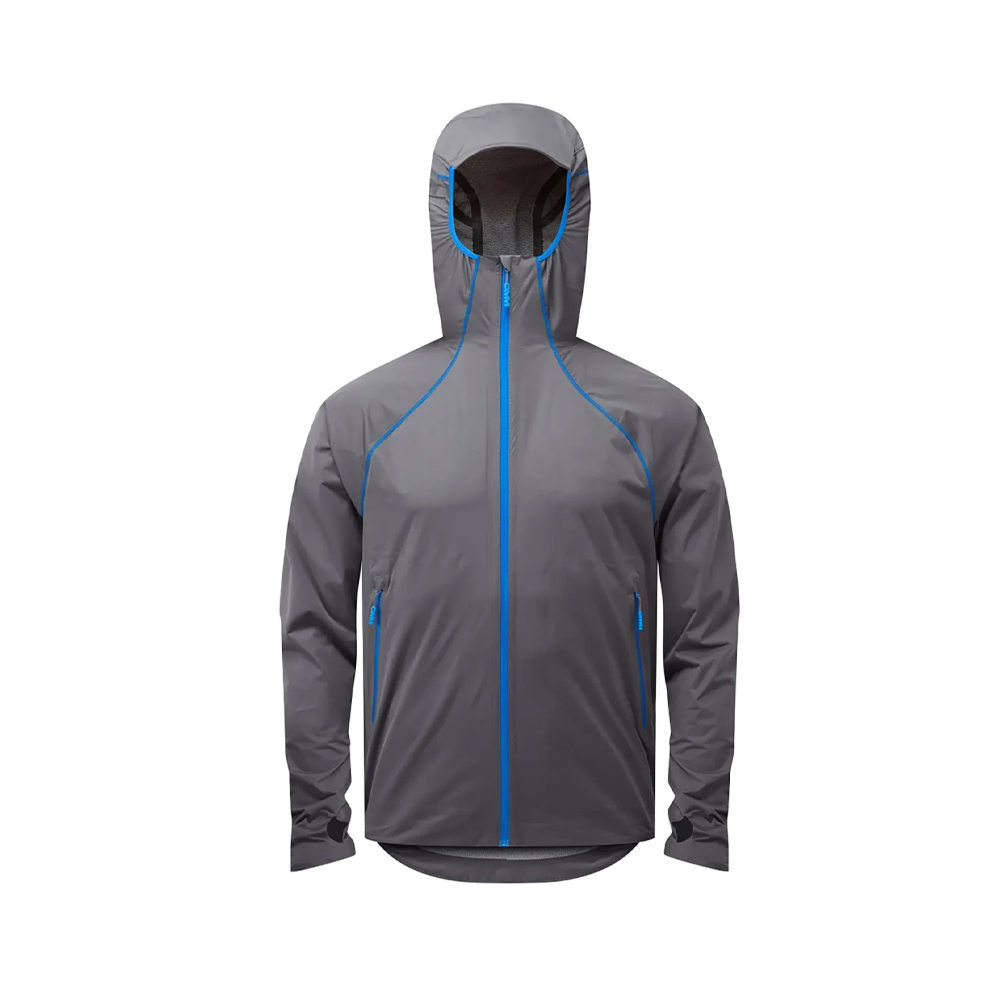 Men's Full Glue Ultra Outdoor JacketA PFAS-free waterproof shell with 20,000mm hydrostatic head, 37.5 temperature-regulating tech, and fully taped seams, illustrating the seam-taping discipline that separates qualified outerwear factories.View Product →
China: vertical fabric depth
China's strength sits one step upstream. In clusters like the Yangtze River Delta around Jiangyin, knitting, dyeing, finishing, embroidery, printing, and garment washing happen inside one company or within a few kilometers of each other. When a fleece needs a specific hand-feel after washing, or a base layer needs merino knitted to an exact weight, that vertical depth shortens the loop between a fabric problem and a garment fix.
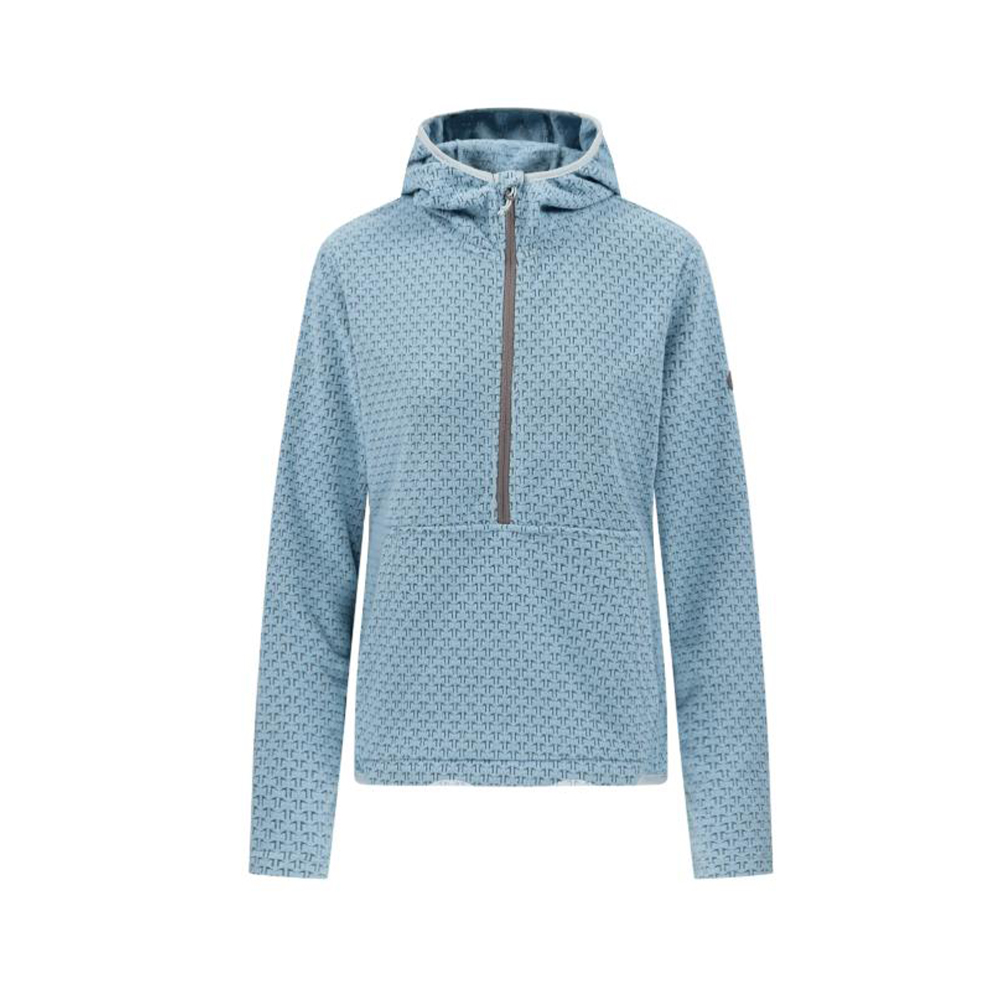 Women's Fleece Metraya Base Layer Outdoor Thermal Half-Zip HoodieA lightweight 3D-knit polyester thermal hoodie with fast wicking and half-zip hood, showing how in-house knitting in the Yangtze River Delta delivers precise hand-feel and fabric control.View Product →
We see this balance from the manufacturing side every day. Our company runs 30 hanging production lines and 16 million knitted garments a year from Jiangyin, plus a sewing factory and sales office in Vietnam — essentially a miniature version of the map the whole industry draws.
What Apparel Buyers Should Copy From This Playbook
If you source apparel for a brand, or you are building one, the useful part of Patagonia's story is not the countries on the label. It is the sourcing logic behind them:
- Match the factory to the garment, not the reverse. A plant that excels at cotton T-shirts is rarely excellent at taped waterproof shells.
- Ask what the factory actually owns. In-house knitting, dyeing, washing, embroidery, and printing remove one or two external failure points per garment — the core argument in our article on why vertical integration defines a reliable leisurewear factory.
- Demand transparency before you need it. Publishing a supplier list sounds risky until you see how much trust it buys with regulators, journalists, and end customers.
- Verify capacity, not just price. Walk the line, check the hanging systems, and confirm where backup capacity sits before committing volume.
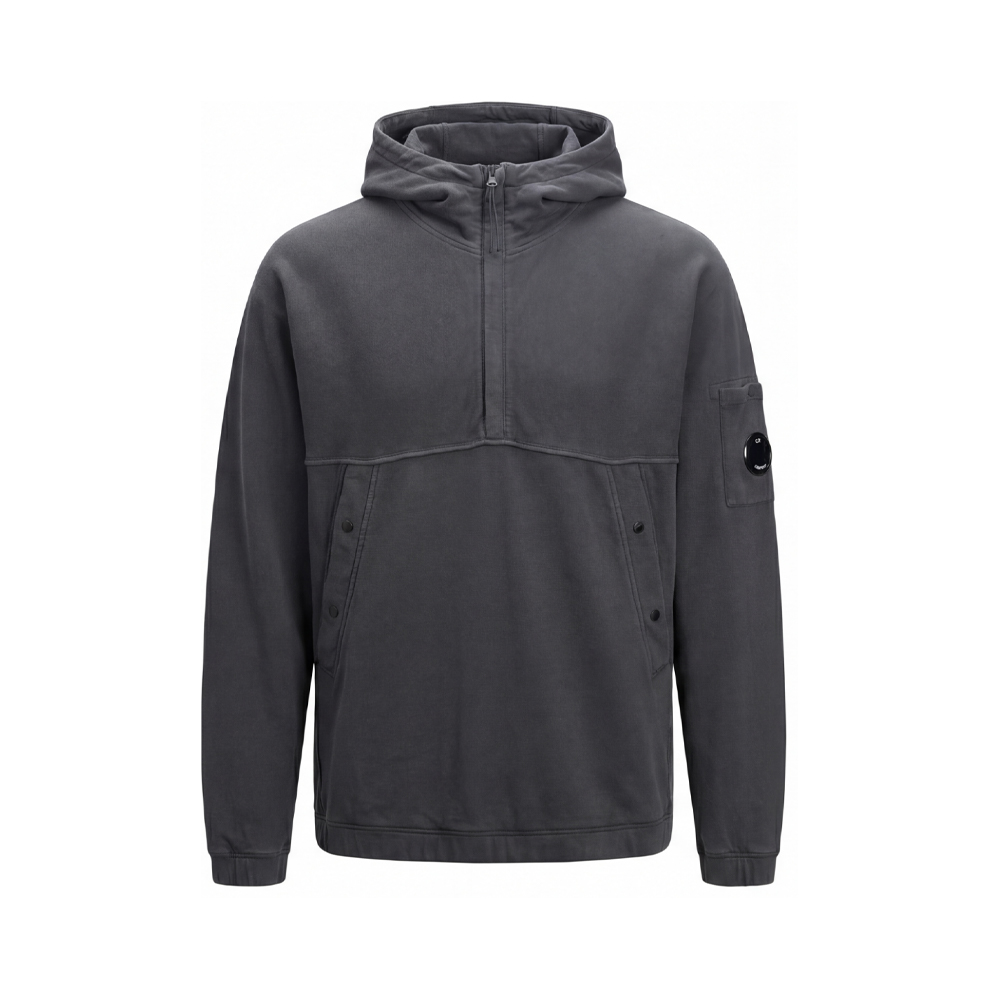 Men's Garment Washing Half Zipper Hoodie ShirtA recycled-blend half-zip hoodie with in-house garment washing for soft hand-feel and shape retention, demonstrating why controlling wash and finishing steps keeps supply schedules reliable.View Product →
That last point deserves emphasis. As an OEM/ODM apparel manufacturer running our own knitting, dyeing, embroidery, printing, and garment-wash facilities in China alongside our Vietnam production, we have watched buyers lose months switching suppliers because a single outsourced wash or print step failed. A partner who controls the chain internally turns that risk into a schedule you can plan around.
How to Verify Where Any Garment Is Made
For shoppers, checking the claim takes minutes:
- Read the country-of-origin label on the care tag. US and EU law require it, and it reflects where substantial manufacturing happened, not where the design originated.
- Check whether the brand publishes its factory list. The level of detail shows how much of the chain the company actually sees and controls.
- Look for third-party certification tied to the sewing stage, such as Fair Trade Certified, rather than marketing language alone.
- Separate "designed in" from "made in." A California address on the hangtag tells you where a product was engineered, not where it was sewn.
Professional buyers should add one step: audit the process chain, not just the final sewing plant. Ask who dyes the fabric, who washes the garment, who prints the graphics, and who holds spare capacity when a season runs long. The answers predict delivery performance far better than a country of origin does.
Patagonia's care labels read like a world tour because that is what modern apparel manufacturing is: design concentrated in one California office, execution distributed across whichever factories on earth can meet the standard. The better question about any garment — on a retail wall or in a supplier's quote — is not only where it was made, but whether the partner who made it controls enough of the process to stand behind every stitch.