English
 中文简体
中文简体
 Français
 Español
Content
- 1 What Quick Dry Means in Activewear
- 2 Key Performance Checks for Quick Dry Sport Clothes
- 3 Fibers That Make Quick Dry Sport Clothes Work
- 4 Construction and Finishing: Where Quick Dry Claims Are Won or Lost
- 5 Building a Reliable Supply Chain for Quick Dry Sport Apparel
- 6 A Practical Buying Checklist Before You Commit
Two samples of quick dry sport clothes arrived on the same inspection desk last month. Same sleeve length, same gram weight, same labeled function. In the first trial, one fabric dispersed a droplet of water and dried visibly while we were still talking. The second held moisture so long that the droplet pattern remained on the surface thirty minutes later. The difference was not luck or sample preparation. It came down to yarn cross-section, knitted geometry, and finishing chemistry, three variables that need to be examined early in a professional sourcing conversation.
Buying quick dry sport clothes successfully is not about finding the lowest price or the most brandable style. It is about treating moisture management as a system. A garment that dries fast must first move sweat away from the skin, spread it across enough fabric surface to evaporate, and then survive repeated washing without losing those properties. Each step depends on a different technical decision inside the supplier's operation. The short version of the advice we give our own clients is this: evaluate the garment as a moisture-management system, not as a style item.
What Quick Dry Means in Activewear
In sportswear, "quick dry" is not a single fabric property. It combines moisture transport and evaporation. When sweat reaches the inner face of a garment, the fabric should pull it to the outer surface through capillary action, a behavior usually described as wicking. Once the liquid is spread over a larger area, it can evaporate more quickly. A material that simply absorbs moisture into its own structure will feel heavy, cling to the skin, and dry slowly.
Performance is usually measured with standardized moisture management tests, including AATCC 195 for liquid moisture transport and GB/T 21655 for the evaluation of moisture absorption and quick drying in textiles. These laboratory methods give buyers a comparable metric, but they are meaningful only if the test fabric is truly representative of bulk production. A sample made in a developing section is not the same as a roll cut from a full production run.
Key Performance Checks for Quick Dry Sport Clothes
A simple way to structure product evaluation is to build a checklist around the moments a consumer actually experiences: putting the garment on, sweating, moving, finishing the session, and washing it afterwards. The table below summarizes the checks we use in our own buying discussions.
| Check item | What to verify | Supply-chain stage |
|---|---|---|
| Drying speed | Is there a laboratory drying-rate test, and does the result match the claimed performance? | Dyeing and finishing |
| Moisture wicking | How quickly does the fabric transport liquid water from the inner face to the outer face? | Yarn and knitting |
| Air permeability | Does the construction allow enough airflow for the intended training intensity? | Knit structure |
| Washing durability | Does the quick dry performance hold after 20 or 50 domestic washes? | Finishing chemistry |
| Colorfastness and surface | Are perspiration fastness, light fastness, and pilling resistance acceptable? | Dyeing, printing, washing |
| Dimensional stability | Is shrinkage within the agreed tolerance after home laundering? | Pre-shrinking and finishing |
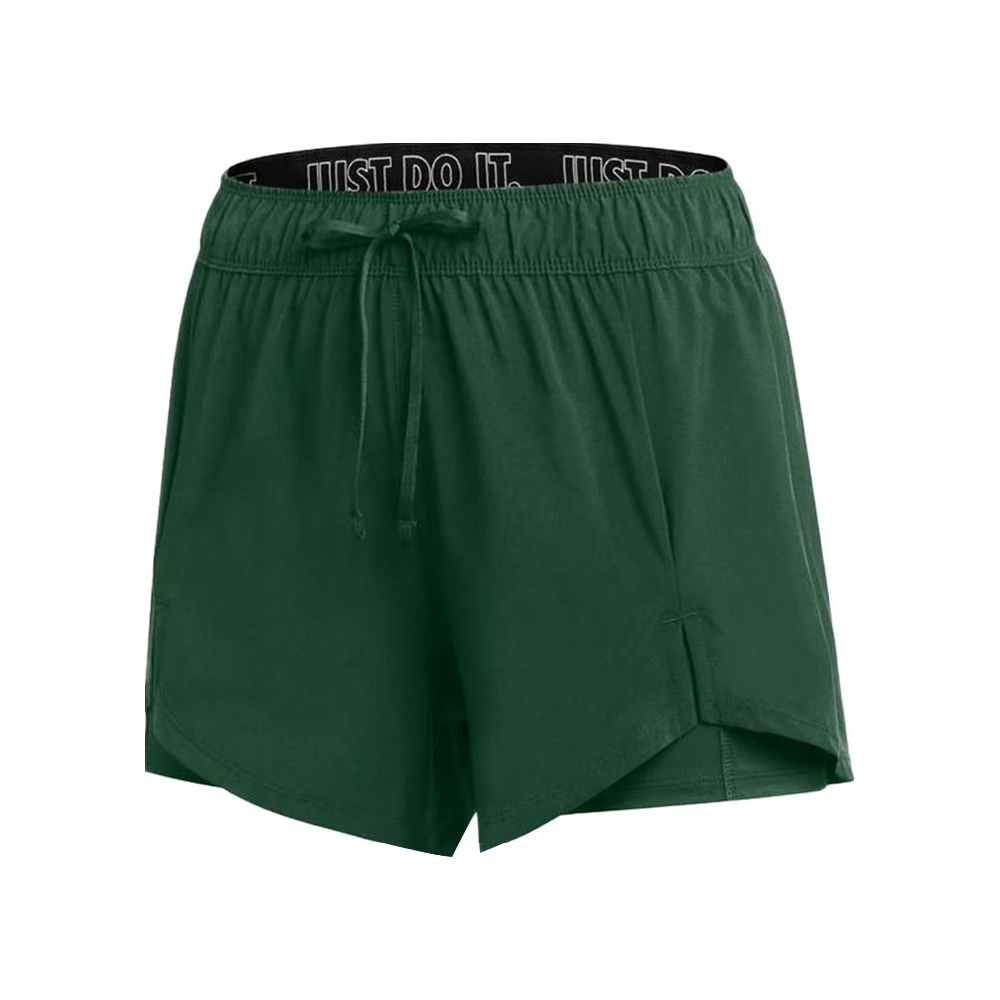
These checks help reject an appealing sample that cannot become a reproducible product. When a style does pass, it earns credibility for larger quantities. A useful reference is the women's fast dry sport shorts in our sport fashion range, which combine a structured knit with a moisture transport finish so the garment keeps its shape and drying behavior through the season.
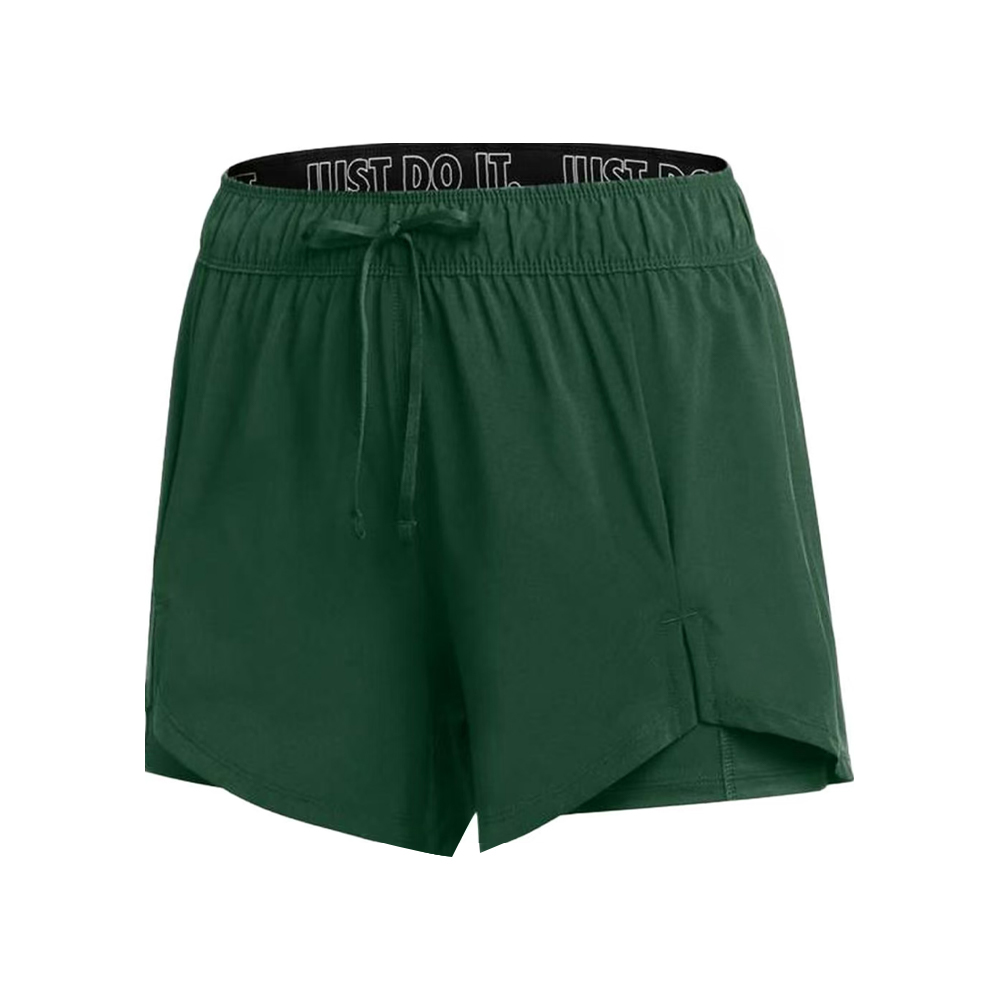 Women's Fast Dry Sport Shorts Company, SuppliersTianyun International Trade is Women's Fast Dry Sport Shorts Company, Women's Fast Dry Sport Shorts Suppliers and Factory in China, Custo...View Product →
Fibers That Make Quick Dry Sport Clothes Work
Polyester and Nylon: The Workhorses of Quick Dry Sportswear
Most quick dry sport clothes rely on polyester or nylon. Both fibers are hydrophobic, which means they absorb very little water themselves, giving them a natural head start in drying time. However, a flat, round filament can feel sticky against the skin. That is why synthetic yarns are often profiled into multi-lobe or channeled cross-sections. These shapes create tiny pathways that encourage moisture to move along the fiber surface instead of being trapped against the body.
Nylon adds softness and abrasion resistance, which makes it a strong choice for training tops that must withstand friction against bags, straps, and gym equipment. Renewable material options such as recycled polyester are also increasingly common in sportswear programs, and they can deliver the same drying performance when polymer quality and spinning parameters are controlled.
Blends and Natural Fibers: Performance with Comfort
Cotton does not belong at the center of a quick dry garment, but it can appear in small percentages to soften the hand feel or to absorb sweat slowly without altering the overall drying balance too much. When cotton is included, the finishing recipe has to compensate for its high moisture absorption. Blended yarns with merino wool are favored in outdoor base layers because wool regulates temperature even when damp, although wool dries more slowly than synthetic fibers. The buyer has to decide whether the target activity values drying speed or skin comfort more.
Construction and Finishing: Where Quick Dry Claims Are Won or Lost
Knit Structures That Improve Evaporation
The same yarn can behave differently in different knit structures. A technical mesh reduces the contact area between fabric and skin, improves airflow, and creates a larger surface for evaporation. Honeycomb and waffle textures trap small volumes of air while keeping the liquid spread over the fabric face. When evaluating a sample, buyers should ask not only which fiber was used but also which structure pattern the mill selected and how that pattern affects weight, stretch, and recovery.
Printing, Embroidery, and Washing: Finish Challenges
Quick dry performance is often damaged at the final production steps. A heavy print can block moisture transport. A dense embroidery patch can reduce ventilation and increase skin irritation. A softener applied during garment washing can improve the hand feel temporarily while coating the fibers and slowing moisture movement. These details matter, which is why a supplier with in-house vertical integration defines a reliable garment factory in this narrow but critical part of the process. Controlling embroidery, printing, and washing inside the same facility lets the quality team test the finished garment instead of relying on an outside vendor.
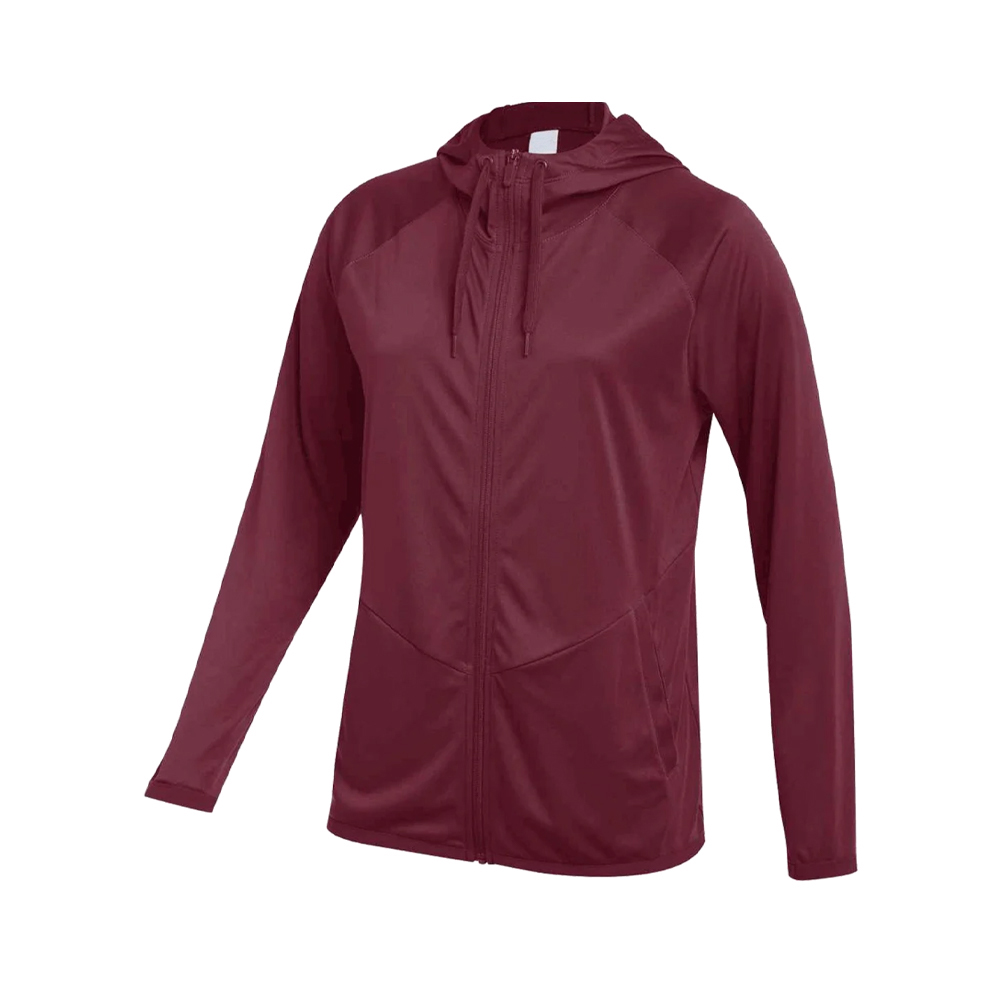
Outerwear styles such as the women's fast dry sport training jacket show how this discipline works in practice: the shell must stay breathable, the lining must not trap sweat, and the trims must not turn the jacket into a sauna during the transition from warm-up to training.
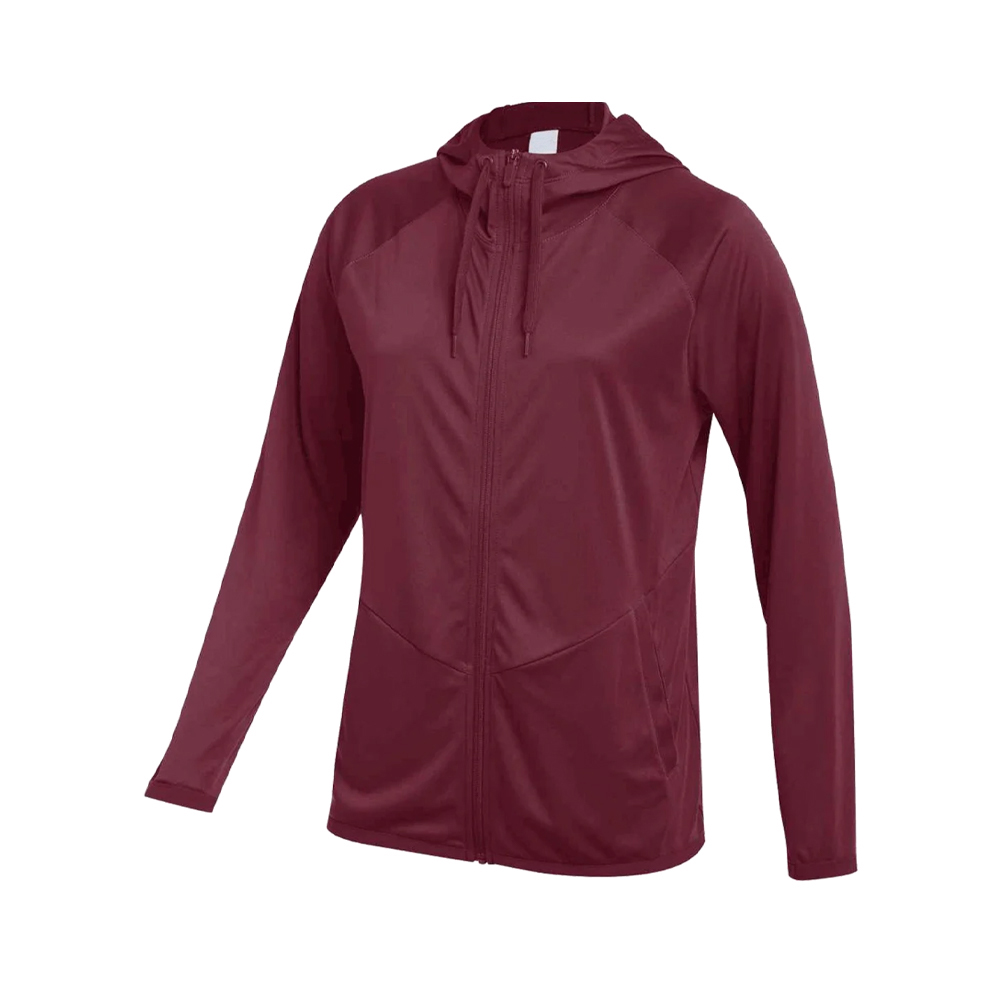 Custom Women's Fast Dry Sport Training Jacket Suppliers, Factory, Manufacturers Tianyun is Custom Women's Fast Dry Sport Training Jacket Suppliers and Manufacturers in China, Factory offer Custom Women's Fast Dry Spor...View Product →
Building a Reliable Supply Chain for Quick Dry Sport Apparel
Vertical Integration and Consistent Quality
Quick dry garments are only as reliable as the chain that produces them. In our own operation, we handle knitting, dyeing and finishing, garment production, embroidery, printing, and garment washing. This is not decoration on a company profile. It allows the same team that develops the fabric to follow the product through every stage and to correct a problem before it becomes a batch defect. More than 1,500 employees work across our production bases, and with 30 garment hanging lines and an annual output of 16 million knitted garments, consistency is built into the workflow rather than improvised order by order.
Dual-Country Production Capacity
Another layer of reliability comes from production location. Our manufacturing base in Jiangyin, China, handles the integrated fabric-to-garment process for speed and flexibility, while the Vietnam factory supports buyers who require a diversified sourcing base. This dual-country arrangement is not just a price lever. It is a continuity strategy. If a brand needs to keep a seasonal quick dry program on schedule, having two qualified production sites reduces the risk of disruption.
A Practical Buying Checklist Before You Commit
The fastest way to avoid a disappointing bulk order is to move through a short set of steps before signing the final contract:
- Send the supplier a technical specification covering fiber composition, yarn count, fabric weight, structure, finish type, and target test standards.
- Request existing test reports for drying time, moisture wicking, air permeability, colorfastness, and shrinkage rather than accepting new promises.
- Inspect pre-production samples and compare them with the approved lab sample using the same test methods.
- Ask how the quick dry performance is expected to change after 20 and 50 washes, and request a wash-durability check if possible.
- Confirm production capacity, inspection terms, and delivery timeline in writing before any deposit is released.
The same approach is why we published a separate guide on the first things buyers should verify when sourcing quick dry sportswear. It walks through the sample request and testing process in more detail.
Quick dry sport clothes reward buyers who look beneath the surface. A fabric that passes the first touch test may still fail in the field, while a garment that performs reliably in the lab can be ruined by a careless print or an unnecessary softener. The supplier conversation should therefore focus on the moisture management system as a whole: fiber, structure, chemistry, quality control, and production capacity.
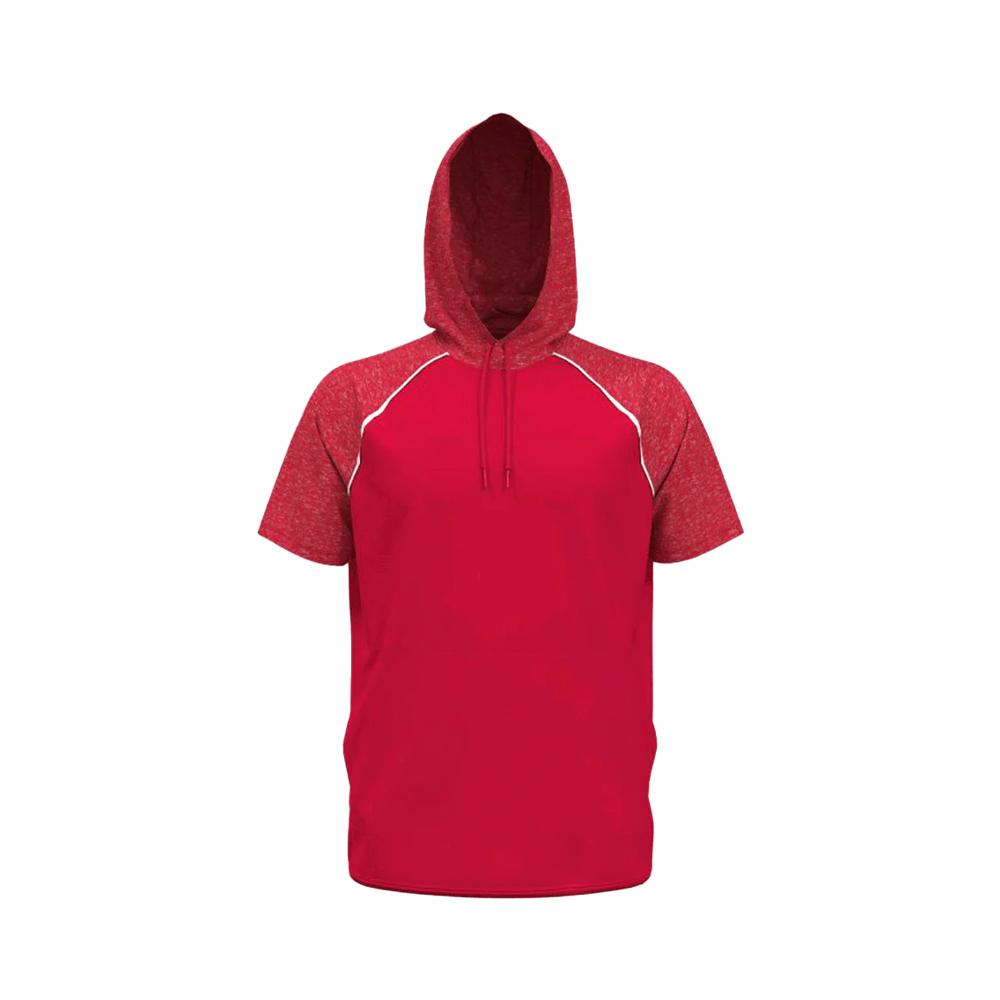
When all of those elements are aligned, the finished product makes the buyer's job easier. The men's fast dry short sleeve hoodie shirt is a useful illustration of that standard. It pairs a relaxed knit silhouette with a drying speed well suited to training wear, because the fabric and the finishing chemistry were both selected for the same performance target. That is the standard to look for when you evaluate your next quick dry sport clothes supplier.
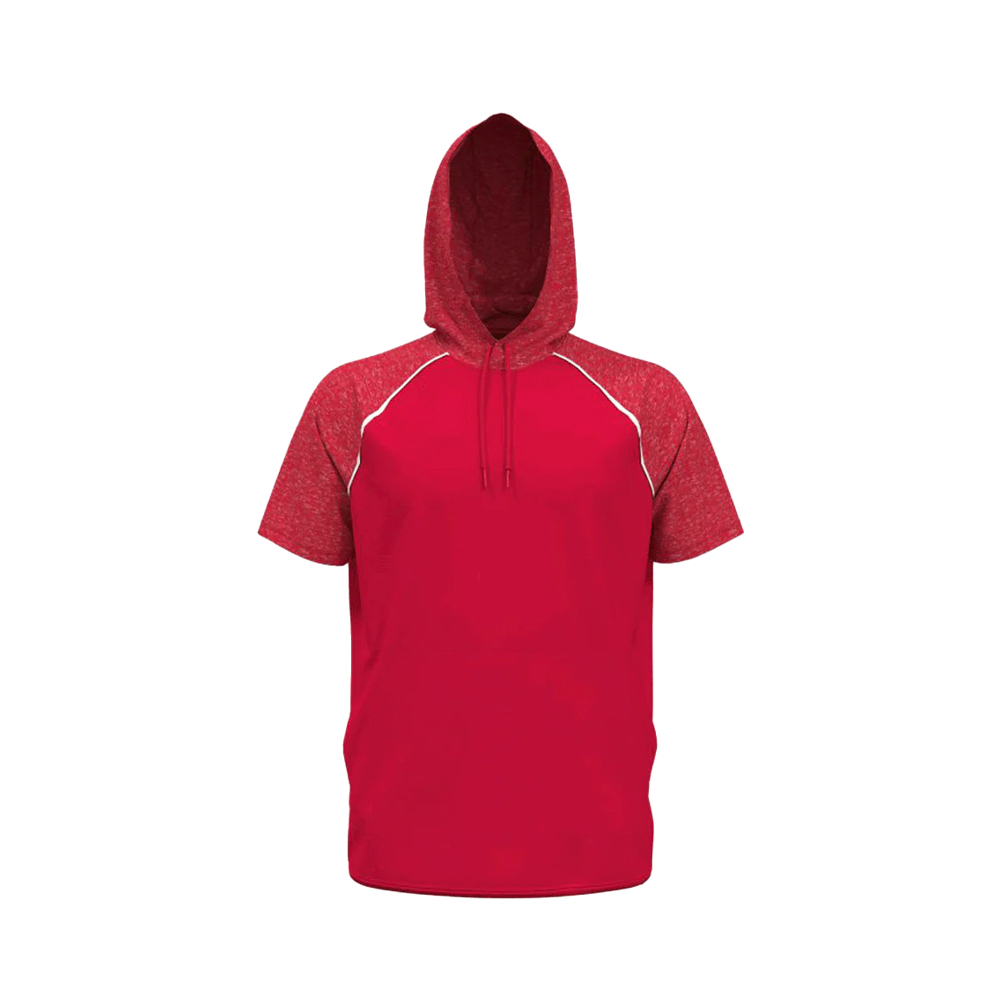 Custom Man's Fast Dry Short Sleeve Hoodie Shirt Suppliers, Factory, ManufacturerTianyun is Custom Man's Fast Dry Short Sleeve Hoodie Shirt Suppliers and Manufacturers in China, Factory offer Custom Man's Fast Dry Shor...View Product →